Introduction
If you’ve been exploring plant-based colorants, you’ve likely come across mimosa hostilis natural dye as one of the most versatile and visually striking options available.
Known for producing deep reddish, purple, and earthy tones, mimosa hostilis natural dye has become a go-to ingredient for textile artists, soap makers, and natural craft creators who want more than flat, synthetic color. When used correctly, it creates layered, organic results that are difficult to replicate with artificial dyes.
In this guide, you’ll learn exactly how to use mimosa hostilis natural dye, what affects the final color, and how to get consistent, high-quality results whether you’re dyeing fabric, creating handmade goods, or building a product line.
What Is Mimosa Hostilis Natural Dye
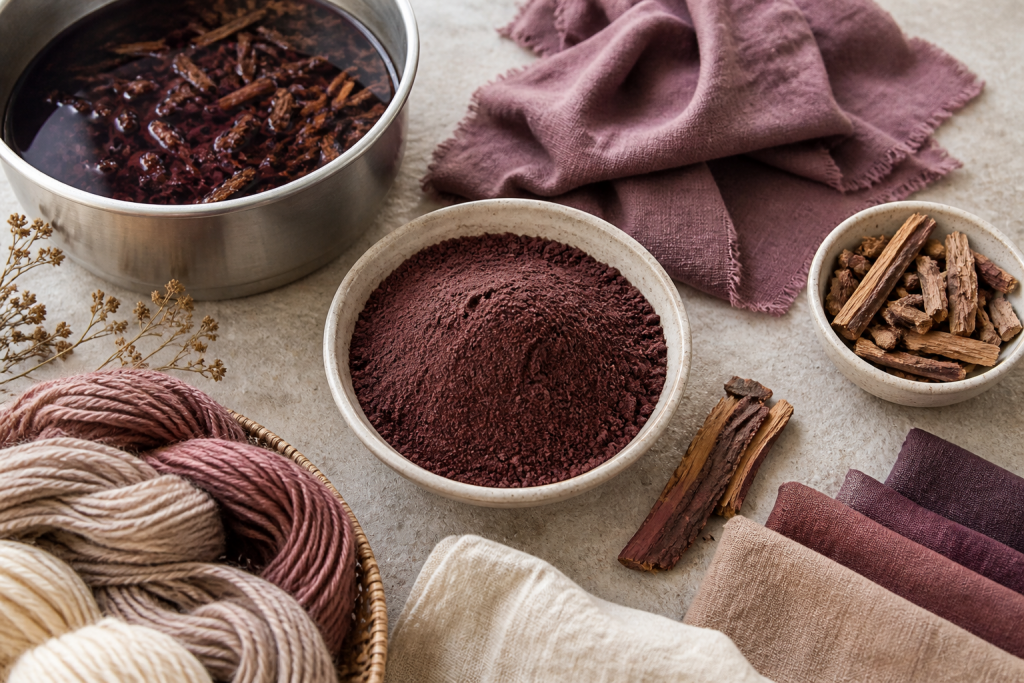
Mimosa hostilis natural dye comes from the inner root bark of the Mimosa hostilis tree. When processed into powder or simmered in water, it releases pigments that bond with natural fibers and materials.
This plant has been traditionally used for:
- Textile dyeing
- Botanical crafts
- Natural pigment extraction
What makes mimosa hostilis natural dye unique is its ability to create complex tones that shift depending on your process, rather than producing a single flat color.
Why Choose Mimosa Hostilis Natural Dye Over Synthetic Options
Synthetic dyes are predictable and easy, but they lack depth and character. Mimosa hostilis natural dye offers something different.
Organic, Non-Uniform Color
Each batch produces slight variations, which is exactly what makes handmade products feel premium and authentic.
You can achieve:
- Muted purples
- Deep reddish tones
- Warm browns
Aligned With Market Demand
Consumer behavior has shifted toward natural materials in both textiles and personal care.
According to Statista, demand for sustainable and plant-based materials continues to grow, particularly in fashion and handcrafted goods.
https://www.statista.com/topics/8200/sustainable-fashion/
Using mimosa hostilis natural dye allows your products to align with that demand without needing to change your entire process.
Multi-Purpose Functionality
Mimosa hostilis natural dye is not limited to one application.
It can be used for:
- Fabric dyeing
- Soap coloring
- Paper dyeing
- Botanical pigments for crafts
This makes it a high-value material, especially if you are trying to simplify your supply chain while expanding product offerings.
Best Materials to Use With Mimosa Hostilis Natural Dye
Not all materials absorb natural dye equally.
Best Results
- Cotton
- Linen
- Wool
- Silk
These natural fibers bond effectively with mimosa hostilis natural dye and produce deeper, longer-lasting color.
Less Effective Materials
- Polyester
- Synthetic blends
These materials typically result in weak or uneven color because they do not bind well with plant-based pigments.
How to Make Mimosa Hostilis Natural Dye
This is where technique matters. Small mistakes here lead to wasted material and inconsistent results.
Step 1: Prepare the Dye Bath
- Add mimosa hostilis natural dye material to a stainless steel pot
- Fill with enough water to fully submerge your materials
- Avoid aluminum pots, as they can alter the color
Step 2: Simmer the Dye
- Heat gently, do not aggressively boil
- Simmer for 45 to 60 minutes
- Stir occasionally
The water will begin to turn a deep reddish-brown as the pigment releases.
Step 3: Strain the Liquid
Remove all plant material to avoid spotting or uneven dyeing.
Step 4: Add Your Fabric or Materials
- Pre-wet your fabric
- Submerge fully into the dye bath
- Simmer again for 30 to 60 minutes
Step 5: Let It Rest
For deeper color, allow the material to sit in the dye bath for several hours or overnight.
Why Powder Makes a Difference
If you want smoother, more consistent results, powder is the move.
It extracts faster, distributes evenly, and reduces patchiness in your final product.
You can explore high-quality options here:
https://tenuiflorashop.com/shop-2/mhrb-powder/
You can also check out our other article explaining the importance of high quality root bark.
This becomes especially important when you’re trying to standardize products for customers.
Using Mordants to Improve Results
Mordants help bind mimosa hostilis natural dye to fibers and can influence the final tone.
Common Options
- Alum creates brighter, clearer tones
- Iron produces darker, more muted shades
If you want to go deeper into technique and best practices, educational resources from Maiwa School of Textiles are useful for refining your process.
https://maiwa.com/pages/natural-dyes
Skipping mordants is possible, but your results may fade faster over time.
Color Variations You Can Expect
One of the biggest advantages of mimosa hostilis natural dye is the range of tones it can produce.
Depending on your method, you may see:
- Reddish-purple hues
- Earthy browns
- Dusty mauves
Factors that influence color include:
- Fabric type
- Dye concentration
- Water pH
- Use of mordants
This variability is what makes each finished piece unique.
Creative Uses Beyond Fabric Dyeing
Most people stop at fabric, but that is only part of the opportunity.
Handmade Paper
Mimosa hostilis natural dye produces soft, organic tones that elevate the look of handmade paper products.
Soap Making
It works as a botanical colorant, adding depth and natural appeal to handcrafted soaps.
Resin and Art Projects
Natural pigments can be used to create layered visual effects in resin and mixed media art.
DIY Kits and Bundles
This is where you can increase revenue without adding complexity.
You can create:
- Natural dye kits
- Soap making kits
- Botanical craft bundles
These types of products tend to increase average order value while using the same base materials.
How to Choose High-Quality Mimosa Hostilis Natural Dye Material
Quality directly impacts your results.
Look For
- Rich reddish or purple coloration
- Fine, consistent texture if powdered
- Clean, natural scent
- Inner root bark only
Low-quality material often produces dull or inconsistent color.
For a deeper breakdown of sourcing and quality differences, refer to:
https://tenuiflorashop.com/mimosa-hostilis-root-bark-ultimate-guide/
Storage Tips to Maintain Potency
Proper storage helps preserve the effectiveness of mimosa hostilis natural dye.
Store it:
- In airtight containers
- Away from light and moisture
- In a cool, dry environment
Exposure to heat and humidity can degrade pigment strength over time.
Safety and Responsible Use
Natural does not automatically mean risk-free.
Guidelines
- Avoid inhaling fine powder
- Wear gloves when dyeing
- Patch test dyed materials for skin contact
Disclaimer
This content is for informational purposes only. The Tenuiflora Shop does not make medical or therapeutic claims regarding mimosa hostilis natural dye. Users are responsible for proper testing, safe handling, and compliance with local regulations when creating or selling finished products.
Why This Ingredient Increases Product Value
If you are building a brand, your ingredients matter as much as your final product.
Using mimosa hostilis natural dye allows you to:
- Position products as natural and premium
- Appeal to eco-conscious buyers
- Differentiate from mass-produced goods
- Support higher pricing
Customers are not just buying color, they are buying the story and process behind it.
Final Thoughts
Mimosa hostilis natural dye is one of the most versatile plant-based materials available for creators working with textiles, soap, and natural crafts.
When you combine proper technique with high-quality sourcing, the results are consistent, visually distinct, and aligned with current market demand.
If your goal is to create products that stand out and feel intentional, this is one of the most effective materials you can work with.