Introduction
If you’ve been researching plant-based materials for soap making, skincare, or natural dyeing, you’ve likely come across mexican mimosa tenuiflora as a top-tier option.
Known for its rich color, consistency, and versatility, mexican mimosa tenuiflora has become one of the most sought-after botanical materials among creators who prioritize quality and results. Whether you are crafting handmade soaps, experimenting with natural dyes, or building a product line, the origin and quality of your raw material matters more than most people realize.
In this guide, we’ll break down what makes mexican mimosa tenuiflora unique, how it compares to other sources, and how to use it effectively in your projects.
What Is Mexican Mimosa Tenuiflora
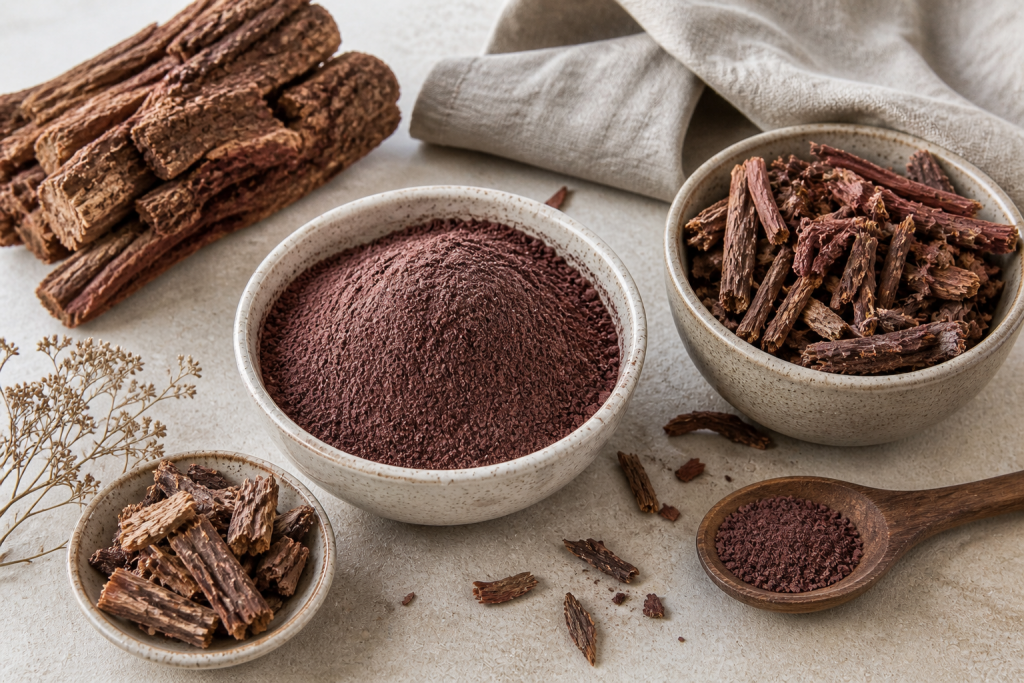
Mexican mimosa tenuiflora refers to the inner root bark of the Mimosa tenuiflora tree sourced specifically from regions in Mexico. This geographic distinction is important because environmental conditions such as soil quality, climate, and harvesting methods directly impact the final product.
Traditionally, mimosa tenuiflora has been used for:
- Natural dyeing
- Soap making
- Botanical preparations
- Craft applications
What sets mexican mimosa tenuiflora apart is its consistency in color and texture, which is critical for creators looking to produce reliable, repeatable results.
Why Origin Matters More Than You Think
A lot of people overlook this, but origin is one of the biggest factors in quality.
Environmental Conditions
Mexican mimosa tenuiflora is typically grown in regions with:
- Stable climate conditions
- Nutrient-rich soil
- Controlled harvesting practices
These factors contribute to a more consistent and potent raw material.
Processing and Harvesting Standards
The way the bark is harvested and processed also plays a major role. Cleaner processing methods help preserve the natural pigments and integrity of mexican mimosa tenuiflora, resulting in better performance in dyeing and soap applications.
Consistency Across Batches
If you’re selling products, inconsistency will hurt you fast. Mexican mimosa tenuiflora is often preferred because it produces more predictable results compared to lower-quality or mixed-origin materials.
Growing Demand for Natural Botanical Materials
The shift toward plant-based materials is not slowing down.
According to Statista, global demand for sustainable and natural materials continues to rise, especially in industries like textiles and personal care.
https://www.statista.com/topics/8200/sustainable-fashion/
This growing demand is one of the reasons mexican mimosa tenuiflora has gained attention among small businesses and independent creators.
Common Uses of Mexican Mimosa Tenuiflora
Mexican mimosa tenuiflora is valued for its versatility. It works across multiple applications, making it a strong foundational material.
Soap Making
One of the most popular uses of mexican mimosa tenuiflora is in handcrafted soap.
It can be used as:
- A natural colorant
- An infused oil ingredient
- A botanical additive
For a deeper breakdown of how to use it across different applications, you can explore the full guide here:
https://tenuiflorashop.com/mimosa-hostilis-root-bark-ultimate-guide/
Natural Dyeing
Mexican mimosa tenuiflora produces rich, earthy tones that vary depending on your process.
Common shades include:
- Reddish-purple
- Deep brown
- Muted mauve
This makes it a favorite among textile artists and natural dye enthusiasts.
Botanical Craft Applications
Beyond soap and dyeing, mexican mimosa tenuiflora can be used in:
- Handmade paper
- Resin art
- Craft pigments
This opens the door to product diversification without needing additional raw materials.
Powder vs. Shredded vs. Chunks
Choosing the right form of mexican mimosa tenuiflora can significantly impact your results.
Powder
- Fastest extraction
- Most consistent color
- Best for smooth formulations
You can explore powder options here:
https://tenuiflorashop.com/shop-2
Shredded
- Slower extraction
- More traditional use
- Good for infusions
Chunks
- Least processed
- Longest extraction time
- Typically used in bulk preparation
How to Identify High-Quality Mexican Mimosa Tenuiflora
Not all material is created equal.
Key Indicators of Quality
- Rich reddish or purple tone
- Fine, consistent texture (if powdered)
- Clean, natural scent
- Inner root bark only
Low-quality material often contains outer bark or fillers, which dilute the effectiveness.
The Importance of Inner Root Bark
This is one of the biggest differentiators.
High-quality mexican mimosa tenuiflora uses only the inner root bark, which contains the highest concentration of pigment and desirable properties.
Outer bark, on the other hand:
- Produces weaker color
- Reduces consistency
- Lowers overall quality
How to Use Mexican Mimosa Tenuiflora Effectively
Technique matters just as much as sourcing.
For Soap Making
- Use powder for even distribution
- Infuse into oils for smoother texture
- Test small batches before scaling
For Natural Dyeing
- Simmer gently, avoid boiling aggressively
- Pre-wet fabrics
- Allow time for color to develop
For Infusions
- Use a carrier oil
- Allow 1–2 weeks for full extraction
- Strain thoroughly before use
Educational Resources for Refining Your Process
If you want to improve your technique, learning from established textile and dyeing resources can help.
Organizations like Maiwa School of Textiles provide valuable insights into natural dyeing methods and material handling.
https://maiwa.com/pages/natural-dyes
Storage and Handling Best Practices
Proper storage preserves the quality of mexican mimosa tenuiflora.
Store it:
- In airtight containers
- Away from sunlight
- In a cool, dry environment
Exposure to moisture or heat can degrade the material over time.
Why This Matters for Your Brand
If you’re building a product-based business, your raw materials directly affect your brand perception.
Using high-quality mexican mimosa tenuiflora allows you to:
- Position your products as premium
- Deliver consistent results
- Build customer trust
- Justify higher pricing
Customers notice quality, even if they can’t always explain it.
Internal Transparency Builds Trust
Customers are becoming more informed about ingredients and sourcing.
Providing clear information about your materials, including origin and quality, can set your brand apart from competitors who remain vague.
Where to Learn More About Your Supplier
If you want to better understand sourcing, quality standards, and product offerings, you can visit:
https://tenuiflorashop.com/about
Transparency builds credibility, especially in a market where quality varies widely.
Exploring Product Options
If you’re ready to start working with mexican mimosa tenuiflora, you can browse available options here:
https://tenuiflorashop.com/shop-2
Choosing the right form and quantity depends on your specific application and production scale.
Safety and Responsible Use
Natural materials still require proper handling.
Guidelines
- Avoid inhaling fine powder
- Wear gloves when handling
- Test products before selling or using
Disclaimer
This content is for informational purposes only. The Tenuiflora Shop does not make medical or therapeutic claims regarding mexican mimosa tenuiflora. Users are responsible for proper handling, testing, and compliance with local regulations.
Final Thoughts
Mexican mimosa tenuiflora is one of the most valuable botanical materials available for creators working in soap making, natural dyeing, and craft applications.
Its consistency, versatility, and growing market demand make it a strong choice for both hobbyists and business owners. When combined with proper technique and high-quality sourcing, it allows you to create products that stand out in both appearance and performance.