Why Is Mimosa Tenuiflora Root Bark Powder So Popular?
Among the various forms of Mimosa tenuiflora available today, one consistently stands out in terms of demand: mimosa tenuiflora root
Among the various forms of Mimosa tenuiflora available today, one consistently stands out in terms of demand: mimosa tenuiflora root
Quick Answer When comparing Mexican Mimosa Tenuiflora vs other sources, buyers often want to know whether source country affects consistency,
Introduction If you’ve been wondering are there any subscription services for mimosa hostilis root bark, the answer is yes. For
As interest in plant-based skincare continues to grow, more people are exploring natural ingredients like Mimosa hostilis. Known for its
If you’ve been searching for acacia root bark to buy, you’ve probably noticed that finding a reliable source isn’t always
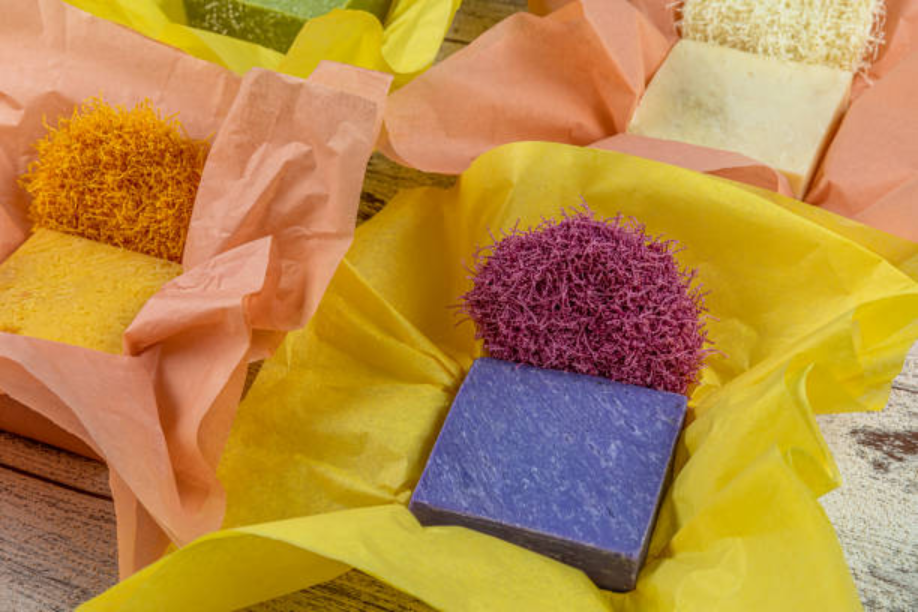
When makers begin working with plant-based ingredients, one of the first things they notice is that botanical soap does not
If you’ve recently purchased mimosa tenuiflora root bark powder and aren’t getting the results you expected, you’re not alone. Many
pH, Heat, Light, Oxidation & Shelf Life Explained If you are formulating with botanicals, one of the most important questions
If you have ever wondered why use tree bark in soap, the answer lies in tradition, plant based craftsmanship, and thoughtful handmade soap
Understanding mimosa bark dye colors is essential for anyone exploring plant based textile dyeing. Mimosa hostilis root bark has long been valued among natural dye artists
Natural soap making has grown rapidly in recent years as more people look for plant-based ingredients that add both beauty
What Formulators Need to Know About Staining If you’re working with high-pigment botanicals, you’re probably asking, “Does Mimosa Hostilis Root