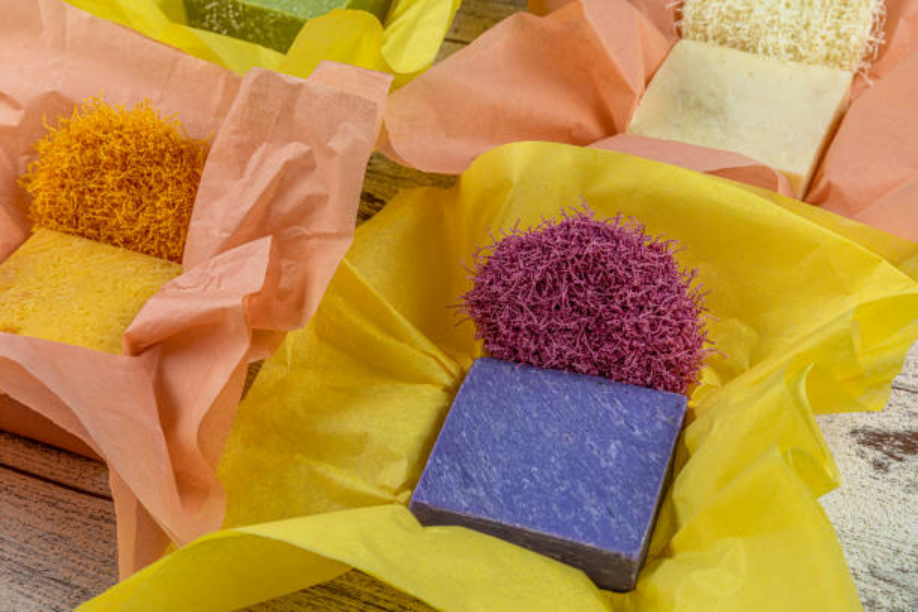
When makers begin working with plant-based ingredients, one of the first things they notice is that botanical soap does not always behave like synthetic colorants or standard additives. Shades can shift, textures can change, and a bar that looks one way on day one may look slightly different after curing. That is exactly why botanical soap color explained has become such an important topic for modern makers who want more predictable, beautiful, and intentional results.
At The Tenuiflora Shop, botanical materials are presented with a clear focus on color, care, and craft, especially for natural dyeing, skincare formulation, and small-batch soap making. Across the website, the language reflects a maker-friendly approach centered on quality, texture options, and thoughtful project use. That makes it a strong foundation for understanding how color and texture work in artisan soap projects.
Botanical soaps are appealing because they feel earthy, visual, and naturally expressive. But they also come with their own learning curve. Plant powders, tannin-rich bark, natural pigments, and fiber-rich ingredients all behave differently in soap than they do in a dry bag or raw botanical form. Understanding that difference helps you choose better materials, work more confidently, and create bars that feel both beautiful and practical.
Why Botanical Soap Color Explained Matters in Artisan Soap Making
Color in botanical soap is rarely just about appearance. It is also about how the ingredient behaves in a formula, how it reacts during curing, and what kind of visual result you want from the finished bar.
Many makers assume that if a powder looks rich and vibrant in its raw form, the same exact color will appear in the final soap. In practice, soap making often changes that expectation. Natural pigments can soften, deepen, mute, or shift depending on the ingredient, how it is used, and how the soap cures over time.
That is not a flaw. It is part of the character of botanical soap.
At The Tenuiflora Shop, Mimosa Hostilis Root Bark is described as a botanical ingredient valued for its deep reddish-purple coloration, rich tannins, and use in natural crafting and dyeing applications. The site also explains that each texture offers its own advantages depending on how the bark is processed and how the customer plans to work with it. That kind of texture-based guidance is especially useful in soap making, where color and feel are closely connected.
Botanical Ingredients Bring More Than Just Color
One of the biggest differences between botanical soap and conventional soap color systems is that plant materials often do more than one thing at once. A botanical ingredient may contribute color, texture, visual depth, and even a sense of formulation identity all at the same time.
This is especially true with tannin-rich plant materials. On the Tenuiflora Shop website, Mimosa Hostilis Root Bark is described as useful in skincare formulations, soap making, and herbal craft projects, while also being valued for smooth texture, consistent color, and easy blending in powder form.
That means a plant powder is not only acting as a visual element. It may also influence:
- the feel of the soap batter
- the way the bar looks after curing
This is one reason botanical soap can feel more alive and expressive than heavily standardized formulas. The same ingredient that colors the soap may also affect the finish, visual movement, and overall artisan feel of the bar.
How Plant Powders Affect Soap Texture
One of the most useful parts of understanding botanical soap color explained is recognizing that color and texture are often linked. The finer the botanical material, the more smoothly it tends to blend into soap. The coarser or more fibrous it is, the more visible or textured the final result may feel.
This is where plant powders texture effects become especially relevant.
The Tenuiflora Shop describes powdered Mimosa Hostilis Root Bark as finely milled, smooth, and ideal for projects where effortless mixing and consistency matter. Shredded bark, on the other hand, is described as retaining more of the natural fiber structure while still being workable for craft and formulation use.
Fine powders usually create a smoother visual finish
When a botanical is finely ground, it typically disperses more evenly in soap batter. This often results in:
- softer color distribution
- a cleaner, more uniform finished bar
That can be especially useful if you want a polished artisan look rather than a visibly rustic one.
Coarser textures can create a more natural handmade appearance
More fibrous or less processed botanicals can bring visual depth and a raw botanical feel. In some bars, that can be beautiful. In others, it may feel too rough or inconsistent depending on the intended use.
This is why choosing the right texture matters just as much as choosing the right plant.
Understanding Natural Soap Color Stability
A common concern for makers is whether a botanical color will stay the same after the soap is poured and cured. This is where natural soap color stability becomes an important part of formulation planning.
Botanical color in soap is often dynamic rather than fixed. That means some color movement is normal. A bar may start out darker, brighter, or more saturated and then settle into a softer or earthier tone as it cures.
This is especially true when working with naturally pigmented plant materials like Mimosa Hostilis Root Bark, which The Tenuiflora Shop describes as rich in natural pigments and plant tannins. Because the bark is a natural plant material, the website also notes that slight variations in color and fiber structure are normal and reflect the natural origin of the bark.
That detail matters because many soap color changes do not come from mistakes. They often come from the natural variability of the ingredient itself.
Why Botanical Soap Colors Shift During Curing
One of the most important things to understand about soap curing changes is that they are part of the process, not necessarily a sign that something went wrong.
As soap cures, moisture evaporates, the bar hardens, and the internal chemistry continues settling. During that time, botanical color can become more muted, more even, or more integrated into the overall appearance of the bar.
This can happen for a few reasons:
Moisture loss changes visual intensity
Fresh soap often looks darker or richer because of higher moisture content. As the bar cures, some shades soften.
Plant particles settle into the formula differently over time
A botanical may appear more dramatic in fresh batter but become more natural-looking as the soap stabilizes.
Natural pigments are more subtle than synthetic color systems
Botanical ingredients tend to create earthy, layered tones rather than ultra-static, artificial brightness.
This is why many artisan soap makers learn to evaluate botanical color after cure, not just immediately after pouring.
How Mimosa Hostilis Fits into Botanical Soap Design
Because this blog is based on The Tenuiflora Shop’s core product focus, it makes sense to understand how Mimosa Hostilis Root Bark fits into soap-making aesthetics specifically.
The site repeatedly positions Mimosa Hostilis as a botanical ingredient for small-batch soap making, skincare formulation, and natural dyeing. It also describes powder as a favorite among makers who want consistent color and effortless mixing, while shredded and chunked forms appeal to those who prefer more visible natural structure and whole-form plant material.
In soap, this creates a few practical design possibilities.
Powder works well when smooth color is the priority
If you want a more even botanical tone and a cleaner visual finish, powder is usually easier to incorporate.
Less processed textures support rustic or raw-looking bars
If your soap design leans more handmade, earthy, or visibly botanical, a less refined texture may support that aesthetic better.
This is one of the clearest examples of why botanical soap color explained is really about more than color alone. It is about visual texture, formulation feel, and finished bar identity.
Choosing the Right Texture for Soap Projects
For soap makers, one of the most helpful questions is not “Which form is best overall?” but “Which form is best for the type of soap I want to make?”
The Tenuiflora Shop’s shop page explains this well by noting that different textures allow customers to choose the format that works best for their projects. Powder is described as ideal when a smooth and consistent texture is needed, while shredded bark retains more natural fiber structure. Chunk bark is positioned as the least processed form and often preferred by those who want to work with the plant in a more natural state.
For botanical soap, that decision often comes down to the final experience you want your bar to have.
If your goal is a smooth artisan finish, a finely milled botanical may be the better fit. If your goal is a visibly handmade bar with stronger raw texture cues, a coarser form may feel more aligned.
That flexibility is part of what makes botanical soap so creative and rewarding.
Color Expectations vs Finished Results
One of the biggest learning moments in soap making happens when makers realize that the ingredient in the jar and the finished soap bar are not always going to look identical.
That is normal.
On the Tenuiflora Shop website, Mimosa tenuiflora root bark is described as having deep natural coloration, rich inner bark, and distinctive reddish color. But once that ingredient is used in a soap formula, its visual role changes. It becomes part of a broader system involving oils, water, curing, texture, and ingredient interaction.
This is why the best botanical soap work often comes from adjusting expectations toward natural variation rather than trying to force perfect uniformity.
When makers understand that they tend to enjoy the process more and make better material choices from the start.
Building Better Botanical Soap with Ingredient Awareness
The more familiar you become with plant-based ingredients, the easier it becomes to design soap intentionally. Instead of choosing a botanical just because it “looks nice,” you begin choosing it for how it behaves.
That includes understanding:
- how finely or coarsely it is processed
- how it may influence both color and bar feel
This kind of ingredient awareness is very much aligned with the way The Tenuiflora Shop presents its products. The website consistently emphasizes texture choice, artisan use, and helping makers select the format that best supports their project goals. And for anyone who needs more clarity before ordering or wants help choosing between available forms, the contact page offers direct support.
That kind of support matters because botanical work often becomes much easier when the ingredient matches the project from the beginning.
Final Thoughts on Botanical Soap Color Explained
Understanding color and texture in botanical soaps is really about learning how plant materials behave once they move from raw ingredient to finished bar. Botanical soap is not meant to be identical, flat, or overly controlled. Its beauty often comes from variation, softness, earthy depth, and the natural character of the ingredients themselves.
When makers understand botanical soap color explained, they can work with more confidence and less frustration. They can choose better textures, expect realistic curing shifts, and appreciate how natural soap color stability, plant powders texture effects, and soap curing changes all play a role in the final result.
That awareness does not just improve the look of the soap. It improves the whole making experience.
FAQs
1. Why does botanical soap change color after curing?
Botanical soap often changes color during curing because moisture levels shift and natural plant pigments settle into the formula over time.
2. Do plant powders affect soap texture?
Yes, finely milled powders usually create a smoother finish, while coarser botanicals can create a more textured or rustic look.
3. Is natural soap color always consistent?
Not always. Natural ingredients can vary slightly in color and structure, which can affect the final appearance of the soap.
4. Which botanical texture is best for smooth-looking soap?
A finely milled powder is usually the best choice if you want smoother blending and a more even finish.
5. Why do handmade botanical soaps look different from batch to batch?
Because botanical ingredients are natural materials, slight differences in texture, pigment, and curing can create small visual variations between batches.