
As interest in plant-based skincare continues to grow, more people are exploring natural ingredients like Mimosa hostilis. Known for its long history in traditional botanical use, this plant has become especially popular in soaps, creams, and other formulations.
But an important question often comes up:
What are the potential side effects of using mimosa hostilis topically?
While many people are drawn to its natural origin and traditional reputation, it’s important to understand how any botanical material may interact with the skin — especially when used regularly.
In this guide, we’ll break down the potential side effects of using mimosa hostilis topically, what to watch for, and how to use it responsibly.
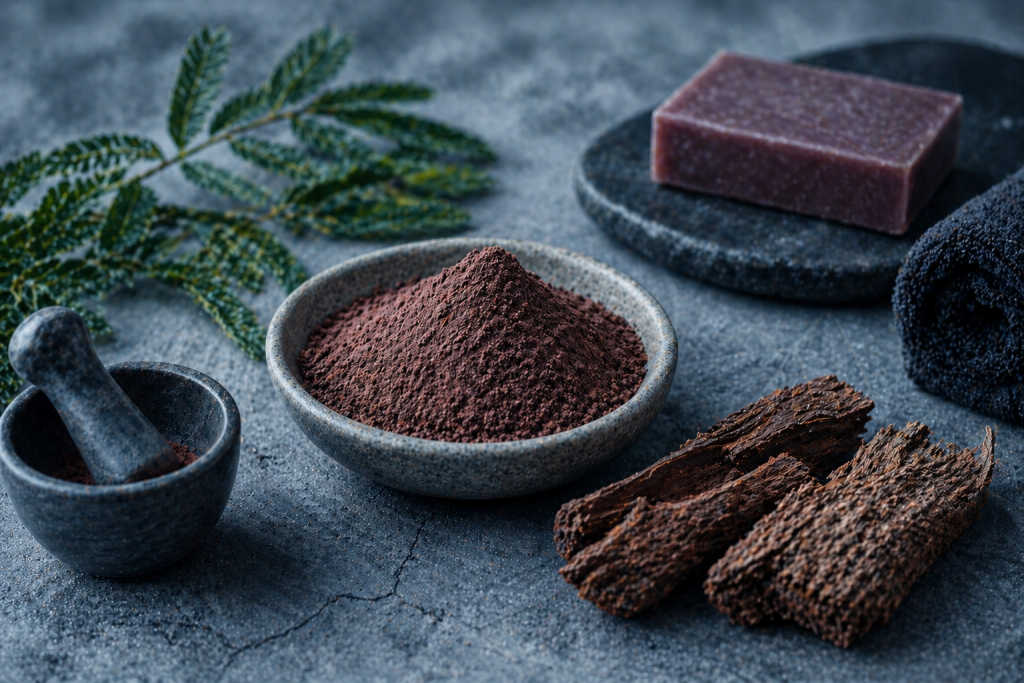
What Does “Mimosa Hostilis Topically” Mean?
Using mimosa hostilis topically refers to applying products that contain this botanical directly to the skin.
This is most commonly seen in:
- handmade soaps
- botanical skincare products
- creams and salves
- plant-based cosmetic formulations
In these applications, mimosa hostilis is typically incorporated in powdered form, allowing it to blend more easily into formulations. If you’re exploring different forms for skincare use, you can browse available options here:https://tenuiflorashop.com/shop-2/mhrb-powder
Why People Use Mimosa Hostilis on the Skin
The popularity of mimosa hostilis topically comes from a combination of:
- traditional use history
- interest in plant-based ingredients
- demand for natural skincare alternatives
It has been used in various cultures in topical applications, which contributes to its modern appeal.
However, as with any ingredient applied to the skin, individual reactions can vary.
Potential Side Effects of Using Mimosa Hostilis Topically
While many users report positive experiences, it’s important to understand that mimosa hostilis topically may not be suitable for everyone.
1. Skin Sensitivity or Irritation
Some individuals may experience:
- redness
- itching
- mild irritation
This is more likely if:
- you have sensitive skin
- the product concentration is high
- the formulation is not balanced properly
2. Allergic Reactions
Although less common, allergic reactions can occur when using mimosa hostilis topically.
Signs may include:
- swelling
- rash
- discomfort
As with any botanical ingredient, it’s always a good idea to test a small amount first.
3. Overuse or Improper Formulation
Using products too frequently or in poorly formulated blends can increase the likelihood of irritation.
This is especially relevant when working with raw botanical materials, where concentration and preparation matter.
If you’re new to working with botanical ingredients, you can explore more guides and best practices here: https://tenuiflorashop.com/blog
4. Variability in Product Quality
Not all mimosa hostilis products are created equal.
Differences in sourcing and processing can affect:
- purity
- consistency
- overall experience
Lower-quality material may increase the likelihood of unwanted reactions.
How to Reduce the Risk of Side Effects
If you’re considering using mimosa hostilis topically, there are a few simple steps you can take to reduce potential risks.
Perform a Patch Test
Before using any new product, apply a small amount to a discreet area of skin and wait 24 hours.
Start With Small Amounts
Begin with minimal application to see how your skin responds.
Use Properly Formulated Products
Well-balanced formulations are less likely to cause irritation.
Choose High-Quality Materials
Quality plays a major role in overall experience. Consistent, well-sourced material tends to perform more predictably.
External Resources on Skin Sensitivity
For general information about skin reactions and sensitivities, you can refer to:
https://www.aad.org/public/everyday-care/skin-care-basics/dry/sensitive-skin
https://www.ncbi.nlm.nih.gov/books/NBK459455
These resources provide broader insight into how different ingredients may interact with the skin.
Common Misconceptions About Mimosa Hostilis Topically
“Natural Means No Side Effects”
Even natural ingredients can cause reactions depending on the individual.
“More Product Means Better Results”
Overuse can increase the risk of irritation.
“All Mimosa Hostilis Is the Same”
Quality varies significantly between suppliers, which can impact results.
Frequently Asked Questions
Is mimosa hostilis safe for all skin types?
Not necessarily. While many people use mimosa hostilis topically without issues, those with sensitive skin should proceed with caution.
How often should mimosa hostilis be used topically?
This depends on the formulation and individual tolerance. Starting slowly is recommended.
Can mimosa hostilis cause irritation?
Yes, especially if used in high concentrations or on sensitive skin.
Does quality affect how mimosa hostilis works on the skin?
Yes — sourcing, processing, and formulation all play a role in how it interacts with the skin.
Disclaimer
This content is for informational purposes only and is not intended to diagnose, treat, cure, or prevent any disease. The information provided about using mimosa hostilis topically reflects general knowledge and traditional use, not medical advice. Always consult a qualified professional before applying new substances to your skin, especially if you have pre-existing conditions or sensitivities.
Final Thoughts
Using mimosa hostilis topically can be a valuable part of plant-based skincare routines, but it’s important to approach it with awareness and care.
Understanding potential side effects, choosing high-quality materials, and using properly formulated products can help reduce risk and improve your overall experience.
As with any botanical ingredient, informed and responsible use is key.