
Quick Answer
If Mimosa tenuiflora root bark powder gets wet, the most common result is clumping and changes in texture. Moisture exposure may also increase the risk of mold growth, contamination, and long-term deterioration if the powder is not dried and stored properly. For buyers researching Mimosa tenuiflora root bark powder, understanding how moisture affects storage can help protect product quality and prevent unnecessary waste.
| Question | Quick Answer |
|---|---|
| Does moisture affect Mimosa tenuiflora root bark powder? | Yes |
| What is the most common result? | Clumping |
| Can mold become a concern? | Yes |
| Should powder be kept dry? | Yes |
| Does proper storage matter? | Absolutely |
Why Moisture Is a Concern for Powdered Botanical Materials
One reason buyers frequently ask about Mimosa tenuiflora root bark powder is because powdered materials naturally have more surface area than shredded or chunked materials.
This increased surface area can make powders more susceptible to environmental exposure.
When moisture comes into contact with botanical powders, several changes may occur:
- Clumping
- Texture changes
- Reduced flowability
- Increased contamination risk
- Potential mold development
The severity depends on how much moisture was introduced and how quickly the issue is addressed.
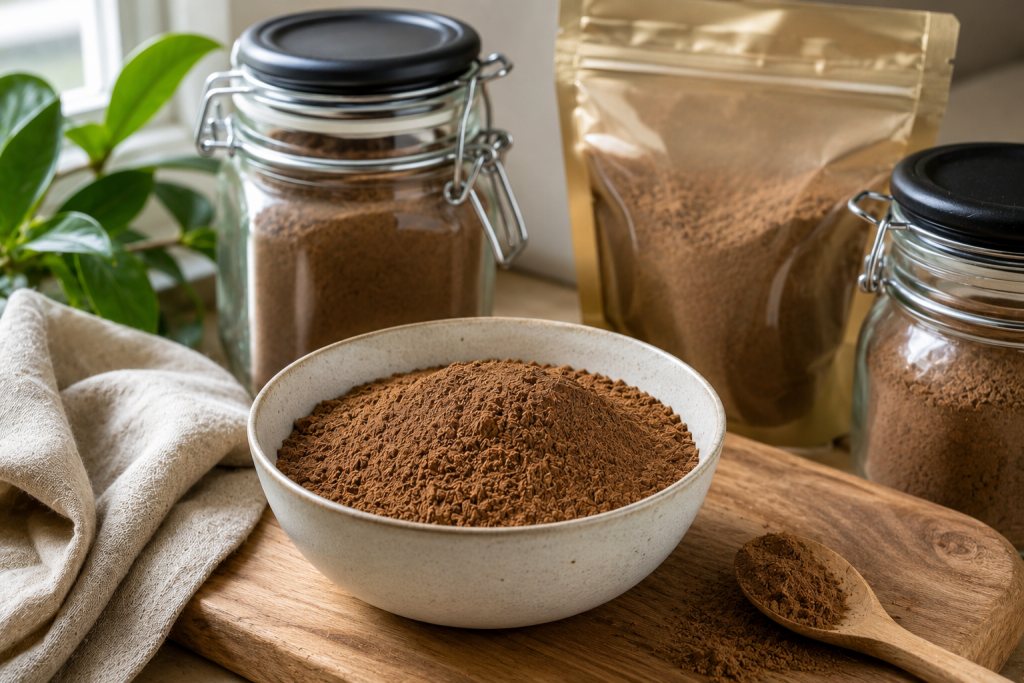
What Happens If Mimosa Tenuiflora Root Bark Powder Gets Wet?
When Mimosa tenuiflora root bark powder gets wet, the first thing many buyers notice is a change in texture.
Instead of remaining dry and free-flowing, the powder may begin to form small clumps.
This occurs because moisture causes individual particles to bind together.
In minor cases, clumping may simply indicate humidity exposure.
In more significant cases, moisture can create conditions that are less suitable for long-term storage.
Why Powder Clumps After Moisture Exposure
Clumping is one of the most common storage issues associated with powdered botanical materials.
Moisture causes fine particles to adhere to one another.
Factors that may contribute include:
Humidity
Even high environmental humidity can sometimes contribute to minor clumping.
Direct Water Exposure
Spills and accidental contact with water create more significant concerns.
Frequent Container Opening
Repeated exposure to humid air may gradually introduce moisture over time.
Because Mimosa tenuiflora root bark powder consists of very fine particles, clumping can occur more easily than with larger shredded materials.
Can Mold Grow If Powder Gets Wet?
This is one of the most important questions buyers ask.
Moisture alone does not automatically mean mold will develop.
However, excess moisture may create conditions that increase the risk of microbial growth.
Factors that influence this risk include:
- Amount of moisture
- Storage temperature
- Air circulation
- Storage duration
- Container conditions
For this reason, many experienced buyers prioritize keeping botanical powders as dry as possible.
How To Tell If Moisture Has Affected Powder
Buyers researching Mimosa tenuiflora root bark powder often want to know what warning signs to watch for.
Common indicators may include:
Clumping
One of the earliest signs of moisture exposure.
Unusual Odors
Changes in aroma may indicate storage issues.
Learn more: https://tenuiflorashop.com/what-does-high-quality-mimosa-tenuiflora-smell-like
Visible Moisture
Powder should generally appear dry.
Mold Growth
Any visible mold should be taken seriously.
Significant Texture Changes
Excessive hardening or unusual consistency may indicate moisture exposure.
Is Powder More Sensitive Than Shredded Bark?
Generally speaking, powders often require more careful storage than larger particle sizes.
This does not mean powder is inherently problematic.
It simply means that fine particles have greater surface area and may respond differently to environmental conditions.
Many buyers choose Mimosa tenuiflora root bark powder because of its convenience, while also taking extra care to store it properly.
How To Store Mimosa Tenuiflora Root Bark Powder Properly
The best way to avoid moisture-related issues is prevention.
Many experienced buyers follow a few basic guidelines.
Use Airtight Containers
Reducing air exposure can help limit humidity exposure.
Store In A Cool, Dry Location
Avoid environments that experience excessive humidity.
Avoid Direct Sunlight
Long-term sunlight exposure is generally not recommended.
Limit Frequent Opening
Every time a container is opened, environmental humidity may enter.
Monitor Storage Conditions
Consistent storage conditions are often preferable to constantly changing environments.
For more information: https://tenuiflorashop.com/does-mimosa-tenuiflora-root-bark-stay-fresh/
What Experienced Buyers Do Differently
One interesting observation is that experienced buyers often spend more time thinking about storage than purchasing.
Many repeat customers:
- Use dedicated storage containers
- Avoid humid locations
- Monitor inventory conditions
- Purchase quantities that match their storage capabilities
This helps reduce the likelihood of moisture-related problems.
Why Order Size Matters
Storage considerations become increasingly important as order size increases.
Buyers ordering:
- 1kg
- 5kg
- 10kg
often benefit from planning storage before their order arrives.
Choosing an appropriate quantity can make long-term storage easier and more manageable.
Common Storage Mistakes
Leaving Containers Open
Open containers may absorb humidity from the surrounding environment.
Storing Near Moisture Sources
Bathrooms, laundry rooms, and humid basements are often poor storage choices.
Ignoring Early Warning Signs
Small clumps may indicate that storage conditions should be reviewed.
Using Poor Containers
Storage quality matters.
Many buyers find airtight containers provide additional protection.
Key Takeaways
- Moisture is one of the biggest storage concerns for powdered botanical materials.
- Clumping is often the first visible sign of moisture exposure.
- Excess moisture may increase the risk of mold and contamination.
- Mimosa tenuiflora root bark powder should be stored in a cool, dry environment.
- Airtight containers can help limit environmental exposure.
- Prevention is easier than correcting moisture-related storage issues.
Frequently Asked Questions
What happens if Mimosa tenuiflora root bark powder gets wet?
The most common result is clumping, although additional storage concerns may develop depending on moisture levels.
Is clumping always a problem?
Minor clumping may simply indicate humidity exposure, but storage conditions should still be evaluated.
Can mold grow on wet powder?
Excess moisture may increase the risk of mold development.
How should powder be stored?
Most buyers prefer airtight containers stored in cool, dry locations.
Is powder more sensitive than shredded bark?
Powders often require additional attention because of their fine particle size and increased surface area.
Can humidity cause clumping?
Yes. Environmental humidity may contribute to moisture absorption over time.
Does order size affect storage needs?
Larger quantities generally require more planning and storage space.
What should I do if I notice moisture exposure?
Inspect storage conditions and evaluate the material for signs of contamination or deterioration.
Why do experienced buyers focus on storage?
Because proper storage helps maintain consistency and protect long-term product quality.
Is Mimosa tenuiflora root bark powder easy to store?
Yes, when stored in a cool, dry environment using appropriate containers.
Botanical Background
Mimosa tenuiflora is a botanical species documented by botanical institutions around the world. Resources such as Plants of the World Online provide information about plant classification, taxonomy, and distribution.
External resource:
Final Thoughts
For buyers researching Mimosa tenuiflora root bark powder, understanding moisture exposure is an important part of long-term storage. While minor humidity exposure may result in simple clumping, excess moisture can create more significant storage concerns over time. By using airtight containers, monitoring environmental conditions, and following proper storage practices, buyers can help maintain consistency and protect their stored powder.