Quick Answer
High quality mimosa tenuiflora root bark is often described as earthy, woody, natural, and slightly rich in aroma. While the exact scent can vary from batch to batch, most buyers report a clean botanical smell rather than anything sharp, chemical, or unusual.
Because mimosa tenuiflora is a natural plant material, slight differences in aroma are normal and can be influenced by storage conditions, moisture levels, processing, and natural variation.
| Question | Quick Answer |
|---|---|
| What should it smell like? | Earthy and woody |
| Does every batch smell identical? | No |
| Can storage affect aroma? | Yes |
| Should it smell chemical? | No |
| Is variation normal? | Yes |
What Does High Quality Mimosa Tenuiflora Smell Like?
High quality mimosa tenuiflora root bark is generally known for its natural botanical aroma.
Most buyers describe the scent as:
- Earthy
- Woody
- Natural
- Rich
- Mildly aromatic
The aroma is often strongest when a package is first opened and may gradually become less noticeable over time as the material is exposed to air.
Because this is a natural botanical product, no two batches will smell exactly alike.
Why Doesn’t Every Batch Smell The Same?
One of the biggest misconceptions among first-time buyers is that every batch should have an identical aroma.
In reality, natural factors can influence scent, including:
- Seasonal conditions
- Natural plant variation
- Processing methods
- Storage conditions
- Texture format
This is one reason many experienced buyers focus on overall consistency rather than expecting perfect uniformity.
Can Texture Affect How Mimosa Tenuiflora Smells?
Yes.
Different textures can sometimes create slightly different sensory experiences.
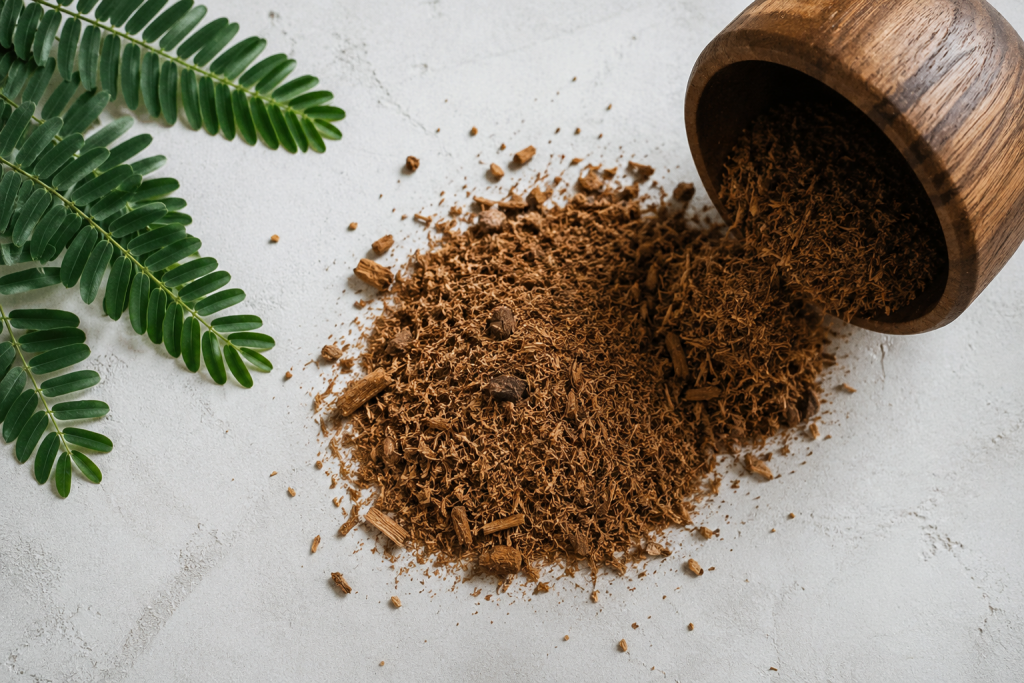
Powder
Powder has more exposed surface area and may release aroma more quickly when opened.
You can view powder options here!
Shredded Bark
Shredded bark often releases aroma more gradually and may retain its scent differently during storage.
Chunked Bark
Chunked bark tends to have the least exposed surface area and may appear less aromatic immediately after opening.
What Smells Are Considered Normal?
Most buyers consider these aromas normal:
- Earthy notes
- Woody notes
- Natural plant aromas
- Mild variation between batches
Natural botanical materials rarely smell identical from one shipment to another.
What Smells Might Raise Questions?
While natural variation is expected, buyers sometimes pay closer attention when they notice:
- Unusual moisture
- Signs of improper storage
- Strong non-natural odors
- Contamination concerns
These situations are uncommon but may warrant additional inspection.
Can Freshness Affect Aroma?
Yes.
Storage conditions often have a direct impact on how botanical materials smell over time.
Factors that can influence aroma include:
- Air exposure
- Humidity
- Heat
- Direct sunlight
For long-term storage guidance, see: https://tenuiflorashop.com/does-mimosa-tenuiflora-root-bark-stay-fresh/
What Do Experienced Buyers Notice First?
This is where experienced buyers often differ from first-time buyers.
Many new buyers focus heavily on appearance.
Repeat buyers frequently pay attention to:
- Aroma
- Texture
- Consistency
- Packaging condition
- Overall presentation
Over time, these subtle indicators often become part of how buyers evaluate their ordering experience.
How Plant Materials Naturally Develop Their Aroma
The scent of botanical materials is influenced by a variety of natural factors, including plant maturity, environmental conditions, soil composition, and post-harvest handling. Because plants are living organisms that respond to their environment, it is completely normal for subtle aromatic differences to occur between batches. This is one reason experienced buyers typically evaluate botanical materials based on overall consistency rather than expecting every shipment to smell exactly the same.
Organizations such as the Missouri Botanical Garden provide educational resources about plant biology, botanical diversity, and the natural characteristics that can vary among plant-based materials.
Key Takeaways
- High quality mimosa tenuiflora root bark is generally described as earthy and woody.
- Slight differences in aroma between batches are normal.
- Storage conditions can influence scent over time.
- Powder, shredded, and chunked bark may present aroma differently.
- Experienced buyers often view aroma as just one part of evaluating overall consistency.
Frequently Asked Questions
What does high quality mimosa tenuiflora smell like?
Most buyers describe the aroma as earthy, woody, and naturally botanical.
Should every batch smell exactly the same?
No. Natural variation can influence aroma.
Can storage affect scent?
Yes. Heat, moisture, and air exposure may influence aroma over time.
Does powder smell stronger than shredded bark?
Many buyers find powder releases aroma more quickly because of its increased surface area.
Is a woody smell normal?
Yes. Woody and earthy notes are commonly reported.
Does freshness affect smell?
Storage conditions often have a greater impact on aroma than age alone.
Can different textures smell different?
Yes. Powder, shredded bark, and chunks may release aroma differently.
What should I do if something smells unusual?
Inspect the material carefully and evaluate storage conditions before drawing conclusions.
Final Thoughts
If you’ve been wondering what high quality mimosa tenuiflora smells like, the simplest answer is that most buyers describe it as earthy, woody, and naturally botanical.
Because mimosa tenuiflora is a natural plant material, some variation in aroma is expected. Experienced buyers generally focus on consistency, storage conditions, and overall presentation rather than expecting every batch to smell exactly the same.