Quick Answer
If you’re researching mimosa tenuiflora bark for sale, it’s natural to wonder whether Mimosa tenuiflora root bark can go bad over time. The short answer is that properly stored botanical materials can remain stable for extended periods, but poor storage conditions may lead to deterioration. Moisture, excessive heat, direct sunlight, and improper handling are some of the most common factors that can affect long-term freshness.
| Question | Quick Answer |
|---|---|
| Can Mimosa tenuiflora root bark go bad? | Improper storage can lead to deterioration |
| What causes deterioration? | Moisture, heat, sunlight, contamination |
| Does storage matter? | Yes |
| Can properly stored material remain stable? | Yes |
| What should buyers watch for? | Moisture, mold, unusual odors, discoloration |
Can Mimosa Tenuiflora Root Bark Go Bad?
One of the most common questions buyers ask after purchasing mimosa tenuiflora bark for sale is whether it can eventually go bad.
Unlike highly processed products with printed expiration dates, botanical materials behave differently. Their condition over time depends heavily on storage practices and environmental exposure.
When stored properly, Mimosa tenuiflora root bark can maintain its consistency for a long period. However, poor storage conditions may create problems that affect freshness and overall quality.
Understanding the warning signs of deterioration can help buyers protect their investment and make informed purchasing decisions.
What Causes Botanical Materials to Deteriorate?
Most deterioration is caused by environmental exposure rather than age alone.
The four biggest factors include:
Moisture
Moisture is often the biggest concern when storing botanical materials.
Excess moisture may create conditions that encourage mold growth, clumping, or other unwanted changes.
Heat
Prolonged exposure to excessive temperatures can affect the condition of stored materials over time.
Direct Sunlight
UV exposure may contribute to changes in appearance and consistency.
Air Exposure
Repeated exposure to humidity and air can affect long-term storage conditions.
For many buyers researching mimosa tenuiflora bark for sale, proper storage becomes just as important as choosing a reliable supplier.
Signs That Mimosa Tenuiflora Root Bark May Have Been Stored Improperly
Many buyers assume deterioration happens suddenly.
In reality, there are often warning signs.
Unusual Odors
High-quality Mimosa tenuiflora typically has an earthy, woody, botanical aroma.
If the material develops a significantly unusual or unpleasant smell, storage conditions may be worth evaluating.
Learn more: https://tenuiflorashop.com/how-does-high-quality-mimosa-tenuiflora-smell/
Visible Moisture
Botanical materials should generally remain dry.
Visible moisture can indicate storage problems.
Clumping
Powdered materials may occasionally clump if exposed to humidity.
Mold Growth
Any visible signs of mold should be taken seriously.
Significant Discoloration
Natural variation is normal, but dramatic changes in appearance may indicate environmental exposure.
How Long Can Mimosa Tenuiflora Root Bark Stay Fresh?
One of the reasons buyers search for mimosa tenuiflora bark for sale is because they plan to store larger quantities for future use.
Fortunately, proper storage can help maintain consistency for extended periods.
The exact timeframe depends on factors such as:
- Storage environment
- Packaging
- Humidity levels
- Temperature
- Frequency of exposure
For a deeper discussion, read:
https://tenuiflorashop.com/does-mimosa-tenuiflora-root-bark-stay-fresh/
How to Store Mimosa Tenuiflora Root Bark Properly
Good storage practices are relatively simple.
Many experienced buyers follow a few basic principles.
Keep It Dry
Avoid exposing stored material to moisture or humidity whenever possible.
Limit Sunlight Exposure
Store containers away from direct sunlight.
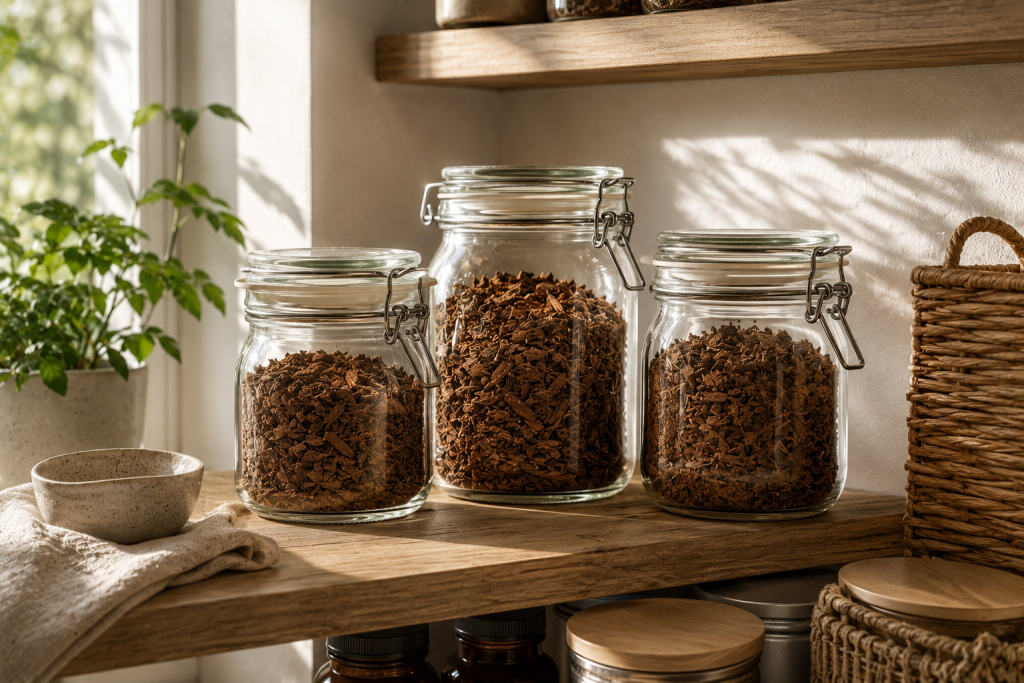
Use Airtight Containers
Airtight storage can help reduce environmental exposure.
Avoid Temperature Extremes
Consistent storage temperatures are generally preferable to frequent fluctuations.
Minimize Unnecessary Handling
Opening and closing storage containers repeatedly may expose materials to additional humidity and air.
Does Buying Larger Quantities Change Storage Requirements?
Yes.
As order size increases, storage becomes more important.
Buyers ordering:
- 1kg
- 5kg
- 10kg
often develop dedicated storage practices to help maintain consistency over time.
This is one reason many experienced buyers evaluate storage plans before placing larger orders.
Related reading:
https://tenuiflorashop.com/what-mimosa-tenuiflora-root-bark-should-i-order
What Experienced Buyers Pay Attention To
Many first-time buyers focus primarily on finding mimosa tenuiflora bark for sale at a competitive price.
Experienced buyers often think differently.
They pay attention to:
Storage Conditions
How will the material be stored after arrival?
Supplier Consistency
Does the supplier provide reliable products and information?
Packaging Quality
Will the material arrive properly protected?
Long-Term Planning
Is the order size appropriate for available storage space?
Over time, these considerations often become just as important as the initial purchase itself.
Common Storage Mistakes
Leaving Material in Direct Sunlight
Sunlight exposure may affect stored botanical materials over time.
Storing Near Moisture Sources
Bathrooms, laundry rooms, and humid environments are generally poor storage locations.
Frequent Container Exposure
Repeatedly opening storage containers increases environmental exposure.
Ignoring Early Warning Signs
Small storage issues may become larger problems if left unaddressed.
Does Freshness Affect Buyer Confidence?
Absolutely.
One reason buyers carefully research mimosa tenuiflora bark for sale is because they want confidence in the products they purchase.
Freshness and storage are important parts of that equation.
Reliable suppliers often provide:
- Storage recommendations
- Educational resources
- Product information
- Transparency
These details help buyers make informed decisions and protect their purchases after delivery.
For more information about choosing a reliable supplier:
Information Buyers Often Overlook
One interesting observation is that many buyers spend hours researching suppliers but very little time thinking about storage.
In reality, even high-quality botanical materials can suffer from poor storage practices after they arrive.
This is why experienced buyers often view purchasing and storage as part of the same process.
The supplier provides the product.
The buyer controls the storage environment.
Both matter.
Key Takeaways
- Mimosa tenuiflora root bark can deteriorate if stored improperly.
- Moisture is one of the most important factors to avoid.
- Heat, sunlight, and excessive air exposure may affect long-term storage.
- Proper storage can help maintain consistency for extended periods.
- Larger quantities require greater attention to storage practices.
- Experienced buyers often evaluate storage plans before purchasing.
Frequently Asked Questions
Can Mimosa tenuiflora root bark go bad?
Improper storage conditions may lead to deterioration over time.
What is the biggest storage risk?
Moisture is one of the most common concerns when storing botanical materials.
How should Mimosa tenuiflora root bark be stored?
Many buyers use airtight containers stored in cool, dry locations away from direct sunlight.
Does powdered material require special storage?
Powders may be more susceptible to humidity exposure and should be kept dry.
Can sunlight affect stored botanical materials?
Long-term UV exposure may affect appearance and consistency.
Does larger quantity purchasing require different storage practices?
Yes. Larger quantities often benefit from more organized storage solutions.
How can I tell if storage conditions have been poor?
Warning signs may include unusual odors, moisture, clumping, mold, or significant discoloration.
Does proper storage help maintain freshness?
Yes. Storage conditions play a major role in long-term consistency.
Why do experienced buyers care so much about storage?
Because storage practices can influence the condition of botanical materials after purchase.
What should I consider before ordering larger quantities?
Evaluate available storage space, environmental conditions, and how frequently the material will be accessed.
Botanical Background
Mimosa tenuiflora is a botanical species documented by botanical institutions and plant databases around the world. Resources such as Plants of the World Online provide educational information about plant classification, distribution, and taxonomy.
External resource:
Final Thoughts
When researching mimosa tenuiflora bark for sale, understanding storage is just as important as choosing the right supplier. While properly stored Mimosa tenuiflora root bark can remain stable for extended periods, environmental factors such as moisture, heat, sunlight, and air exposure may affect long-term consistency. By following simple storage practices and monitoring for warning signs, buyers can help protect their purchases and maintain confidence in their stored materials.