Introduction
If you’ve ever wondered how do I know if mimosa tenuiflora root bark is authentic, you’re not alone.
As more people search online for botanical materials, many buyers want reassurance that they are purchasing genuine, accurately represented products rather than inconsistent or misleading alternatives.
The truth is, identifying authentic mimosa tenuiflora root bark is not about chasing one perfect appearance or assuming every batch should look identical. Instead, authenticity often comes down to transparency, consistency, clear product information, and understanding what natural botanical variation actually looks like.
In this guide, we’ll explain how buyers evaluate authentic mimosa tenuiflora root bark, what red flags to watch for, and what expectations are realistic when purchasing botanical materials online.
Why Authenticity Matters
When buyers search for authentic mimosa tenuiflora root bark, they are usually trying to avoid one thing:
uncertainty.
No one wants to spend money on botanical material that feels misrepresented, inconsistent, or unclear.
Authenticity matters because it helps buyers feel more confident about:
- What they are actually purchasing
- Product consistency
- Botanical identity
- Texture expectations
- Long-term ordering confidence
For repeat buyers especially, understanding authenticity can make future purchases feel much more predictable.
What Does Authentic Mimosa Tenuiflora Root Bark Mean?
Authenticity is not always about appearance alone.
In most cases, authentic mimosa tenuiflora root bark refers to botanical material that is clearly represented and accurately described.
Reliable product information often includes:
- Clear product photos
- Transparent descriptions
- Texture information
- Consistent product naming
- Educational content that explains natural variation
Because botanical materials are naturally occurring, authenticity does not mean every batch should look perfectly identical.
In fact, slight differences are normal.
Why Natural Variation Is Completely Normal
One common mistake buyers make is assuming authentic bark should always look exactly the same.
Natural materials simply do not behave that way.
Factors such as:
- Growing conditions
- Harvest timing
- Processing methods
- Texture format
- Natural moisture differences
can all influence visual appearance.
Authentic botanical materials may show slight variation from batch to batch while still remaining consistent overall.
This is one reason educational transparency matters so much when evaluating products.
Signs of Authentic Mimosa Tenuiflora Root Bark
So how do buyers evaluate authentic mimosa tenuiflora root bark without becoming overly suspicious of normal variation?
Here are a few things experienced buyers often look for.
1. Clear Product Photography
Reliable product pages typically include:
- Multiple photos
- Different angles
- Texture visibility
- Close-up detail
This helps buyers understand what to realistically expect.
Be cautious if product images appear overly edited, inconsistent, or overly generic.
2. Transparency About Texture
Authentic botanical materials are usually sold in clearly described forms.
For example:
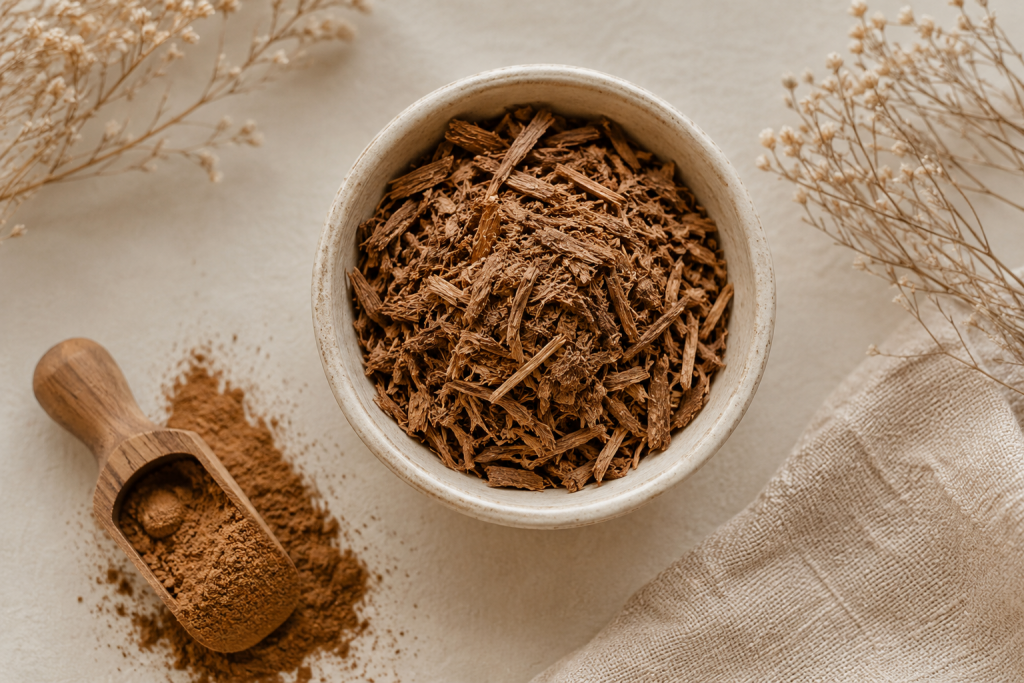
- Powder
- Shredded bark
- Chunked bark
Clear texture descriptions help buyers know what they are purchasing before ordering.
Vague product descriptions can sometimes create confusion.
3. Educational Information
One thing many buyers overlook is whether a supplier actually educates customers.
Educational content often signals:
- Transparency
- Long-term consistency
- Product familiarity
- Clear communication
When businesses openly explain topics like storage, texture, natural variation, and sourcing expectations, it often builds more trust.
You can explore more common questions about mimosa tenuiflora products here:
Mimosa Hostilis Root Bark FAQs
4. Consistency Across Listings
Another sign buyers often watch for is consistency.
Ask yourself:
- Do product descriptions match?
- Do textures look reasonably consistent?
- Does the information feel transparent?
Authenticity often looks more organized and intentional rather than vague or inconsistent.
Common Red Flags Buyers Should Watch For
When researching authentic mimosa tenuiflora root bark, buyers often learn to watch for certain warning signs.
Overly Generic Product Photos
If every image looks like a stock photo with little detail, buyers may struggle to know what to expect.
No Texture Information
If you cannot clearly tell whether a product is powder, shredded, or chunks, that can create unnecessary confusion.
Extremely Vague Descriptions
Descriptions that say almost nothing about the material may leave buyers with unanswered questions.
No Educational Content
While not always a deal breaker, educational content often signals stronger transparency.
Many experienced buyers appreciate businesses that openly explain products rather than simply listing them.
Why Inner Root Bark Is Often Discussed
When discussing authentic mimosa tenuiflora root bark, you may also see references to inner root bark.
This refers to the inner portion of the bark, which is often recognized for its richer coloration and more consistent appearance.
If you want to better understand why inner root bark is commonly discussed, you can read more here:
Mimosa Tenuiflora Inner Root Bark: Why Quality and Sourcing Matter
Does Authentic Bark Always Look the Same?
No.
This is one of the biggest misconceptions buyers have.
Because mimosa tenuiflora is a natural botanical material, slight variation is completely expected.
Things that may vary naturally include:
- Shade
- Fiber appearance
- Texture detail
- Batch-to-batch appearance
Small variation is not automatically a bad sign.
In many cases, it simply reflects the reality of working with natural plant materials.
Why Repeat Buyers Often Value Consistency
Once buyers find a product they trust, many prefer consistency over constantly trying new options.
This is one reason recurring ordering has become more popular for repeat users.
Subscription options can help regular buyers maintain supply and avoid unnecessary interruptions.
You can learn more about recurring delivery options here:
Are There Any Subscription Services for Mimosa Hostilis Root Bark?
Popular Options for Repeat Buyers
For buyers who already know what texture or quantity works best for them, many prefer sticking with products that have delivered reliable consistency over time.
You can explore commonly selected products here:
Educational Perspective on Botanical Variation
Organizations such as the Missouri Botanical Garden and Botanical Society of America provide educational information about plant variation, botanical structure, and naturally occurring differences between plant materials.
Frequently Asked Questions
How do I know if mimosa tenuiflora root bark is authentic
Authenticity often comes down to transparency, consistency, texture clarity, and realistic expectations around natural variation.
Should authentic bark always look identical
No. Natural botanical materials often vary slightly between batches.
Does authentic bark come in different textures
Yes. Mimosa tenuiflora products may appear as powder, shredded bark, or chunked bark depending on preference.
Why do product photos sometimes look different
Lighting, texture, processing, and natural batch variation can all influence appearance.
What should I look for before buying
Clear product photos, transparent descriptions, educational content, and consistency are often helpful signs.
Final Thoughts
Understanding authentic mimosa tenuiflora root bark is less about searching for one “perfect” appearance and more about learning what realistic botanical variation looks like.
Clear product information, transparency, texture consistency, and educational guidance often help buyers feel more confident when purchasing botanical materials online.
As with many natural products, slight differences are normal, but understanding what to expect can make the buying process feel far less confusing over time.