If you’ve been experimenting with natural dyeing and recently purchased Mimosa Hostilis root bark dye, you may have run into a frustrating problem — your dye isn’t producing the results you expected.
Instead of deep, rich tones, you might be seeing:
- dull or faded colors
- uneven dye results
- weak pigment extraction
- inconsistent batches
If that sounds familiar, you’re not alone.
Many people searching for mimosa hostilis dye for sale assume that once they have the bark, the dyeing process will be straightforward. But in reality, several factors can affect how well Mimosa Tenuiflora performs as a natural dye.
In this guide, we’ll break down the most common reasons your Mimosa Hostilis dye might not be working — and exactly how to fix each one.
Understanding How Mimosa Hostilis Works as a Dye
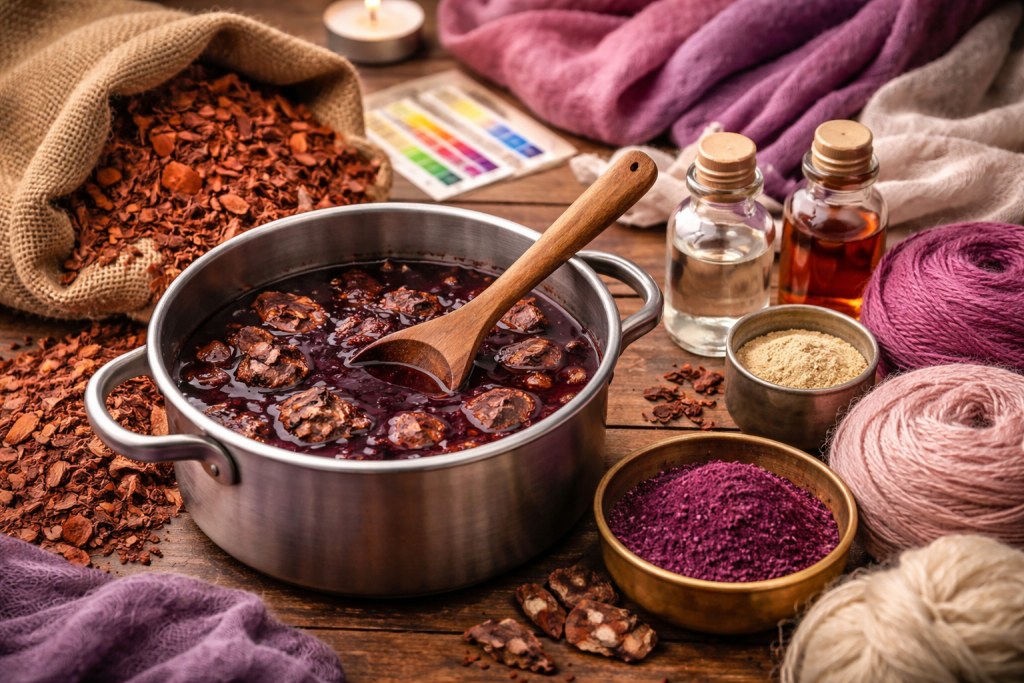
Before troubleshooting, it’s important to understand how Mimosa Tenuiflora actually behaves in dyeing.
The inner root bark contains natural pigments and tannins that interact with fibers. These compounds need:
- proper extraction
- correct fabric type
- stable conditions
If any of these factors are off, your results will suffer — even if you’re using good bark.
For additional information on natural dyes and how plant-based pigments interact with different materials, educational resources like the Smithsonian provide helpful insights into traditional and modern dyeing practices:
https://www.si.edu/spotlight/textile-dyeing
Problem #1: Low-Quality Bark
One of the most common (and overlooked) reasons for weak dye results is low-quality Mimosa Hostilis root bark.
Not all bark sold online is the same. Some suppliers include:
- outer bark (low pigment)
- poorly processed material
- aged or degraded bark
Signs this is your issue:
- color looks pale before dyeing
- dye bath is weak even after long soaking
- inconsistent color results
Fix:
Use high-quality inner root bark that has:
- deep reddish-purple color
- dense material
- minimal outer bark
If you’re still looking for mimosa hostilis for sale, choosing a reliable supplier makes a huge difference in your results.
Problem #2: Wrong Fabric Type
Even perfect bark won’t work well on the wrong material.
Natural dyes like Mimosa Tenuiflora work best with:
- cotton
- wool
- silk
- linen
They do NOT bind well to:
- polyester
- synthetic blends
- treated fabrics
Fix:
Always use natural fibers for best results.
Problem #3: Weak Dye Extraction
If your dye bath isn’t strong enough, your results will be weak.
Common mistakes:
- not using enough bark
- not heating long enough
- using low temperatures
Fix:
- increase bark-to-water ratio
- simmer longer (not boil aggressively)
- allow time for pigment release
Problem #4: pH Issues
Mimosa Hostilis dye is sensitive to pH levels.
Different pH levels can shift color dramatically.
Fix:
- experiment with slight pH adjustments
- test small batches first
Problem #5: No Mordant (or Incorrect Use)
Some natural fibers require a mordant to help the dye bind properly.
Fix:
Use appropriate mordants depending on your fabric.
Problem #6: Poor Storage of Bark
If your bark has been exposed to:
- moisture
- sunlight
- air
it may have degraded.
Fix:
Store in airtight containers in cool, dry conditions.
Why Quality Still Matters Most
Even with perfect technique, low-quality bark will limit your results.
That’s why many experienced dye artists prioritize:
- sourcing
- consistency
- processing quality
When people search for mimosa tenuiflora for sale, they often learn this the hard way after a failed batch.
Why Customers Switch Suppliers
Many customers initially choose based on price — but later switch to higher-quality sources after inconsistent results.
Common reasons include:
- weak pigment
- inconsistent batches
- poor processing
Final Thoughts
If your Mimosa Hostilis dye isn’t working, it’s almost always due to:
- bark quality
- fabric choice
- extraction method
By fixing these factors, you can dramatically improve your results.
And if you’re still searching online for reliable mimosa tenuiflora root bark, choosing a consistent, high-quality source will make the biggest difference of all.
If you’re looking for high-quality Mimosa Hostilis root bark for dyeing, choosing the right source makes all the difference in your results. You can explore our selection of mimosa hostilis for sale, including powder, shredded, and chunked bark, to find the option that works best for your next project.