Natural soap making has experienced a major resurgence over the past decade. As more people move toward handcrafted skincare and plant-based ingredients, artisan soap makers are constantly searching for botanicals that offer natural color, interesting texture, and unique plant properties. Botanical powders, herbal infusions, and plant-derived ingredients have become a defining feature of many handmade soaps.
One botanical that has gained increasing attention among soap makers is Mimosa Tenuiflora, often referred to as Mimosa Hostilis root bark. Known for its deep reddish-purple color and long history of traditional botanical use, Mimosa Tenuiflora has become a popular ingredient in artisan soap formulations.
Soap makers often experiment with different plant materials to create soaps that stand out visually while remaining rooted in natural ingredients. Because of its distinctive natural pigment and botanical appeal, Mimosa Tenuiflora has become a fascinating ingredient for those working with handcrafted soap.
If you’ve been researching mimosa hostilis for sale, there’s a good chance you’ve encountered discussions about this bark in soap making forums, DIY skincare communities, or botanical ingredient guides. In this article, we’ll explore why Mimosa Tenuiflora has become popular among soap makers, how it is used in natural soap making, and what makes this botanical ingredient so appealing to creators of handcrafted skincare products.
Understanding Mimosa Tenuiflora
Mimosa Tenuiflora is a tree native to regions of Mexico and parts of Central and South America. It belongs to the legume family and is well adapted to dry tropical climates. The plant grows naturally in areas where soil conditions and weather patterns support hardy desert vegetation.
The part of the plant most commonly used in botanical applications is the inner root bark. This portion of the bark contains a deep reddish-purple pigment and various natural plant compounds that have drawn interest from herbalists, botanical researchers, and skincare formulators.
Throughout history, Mimosa Tenuiflora has appeared in traditional plant practices and continues to be studied today for its botanical characteristics. Scientific botanical resources such as the Royal Botanic Gardens Kew Plant Database document plant species like Mimosa tenuiflora and their botanical classification. You can explore additional botanical information about this species here
Understanding the background of Mimosa Tenuiflora helps explain why the bark has become a valued botanical ingredient in natural product creation.
The Growth of Botanical Soap Making
In recent years, handmade soap has experienced a strong revival. Many consumers are turning away from mass-produced commercial soaps and instead choosing artisan products made with recognizable plant ingredients.
This movement toward botanical skincare has led soap makers to experiment with a wide range of plant-based ingredients, including:
- herbal powders
- botanical infusions
- natural clays
- plant extracts
- botanical dyes
These ingredients allow soap makers to create soaps that feel more connected to nature while also offering visual creativity.
Mimosa Tenuiflora fits naturally within this trend. Because it is a plant-derived ingredient with a distinctive natural color, many soap makers view it as a unique botanical addition to their formulations.
Natural Color in Soap Making
One of the main reasons Mimosa Hostilis root bark has gained popularity in soap making is its natural pigment.
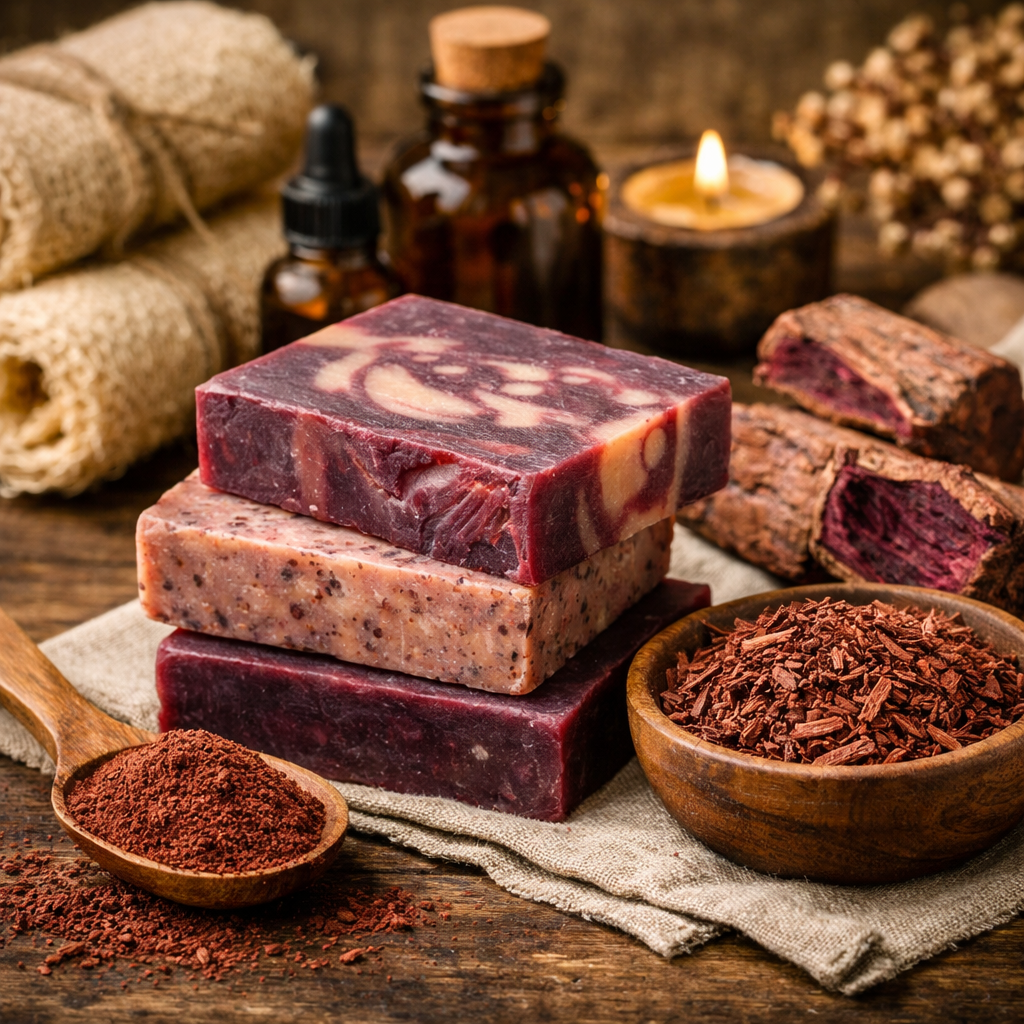
The inner root bark contains a deep purple-red color that can produce earthy tones when incorporated into soap. Depending on the recipe and soap making process used, the color can vary from soft pink shades to deeper burgundy tones.
Soap makers who prefer natural ingredients often experiment with plant-based colorants to avoid synthetic dyes. Mimosa Tenuiflora offers a botanical option that contributes natural color to soap formulations.
Because the pigment originates from the plant itself, it aligns well with the philosophy of natural and botanical skincare products.
Botanical Ingredients and Artisan Branding
Another reason Mimosa Tenuiflora is appealing to soap makers is its botanical identity.
Many handmade soap brands highlight plant ingredients as part of their product storytelling. Botanical materials help differentiate artisan products from conventional commercial soap.
Consumers who purchase handmade skincare products often enjoy learning about the plants used in the formulation. Ingredients such as lavender, chamomile, turmeric, and Mimosa Tenuiflora provide an opportunity for soap makers to create unique botanical blends.
This storytelling aspect is one of the reasons botanical ingredients continue to grow in popularity among artisan skincare creators.
Powder vs Shredded Bark in Soap Making
When soap makers work with Mimosa Tenuiflora root bark, they typically choose between powdered bark and shredded bark depending on how they want to incorporate the ingredient into their soap.
Powdered Bark
Powdered Mimosa Hostilis root bark is often the most convenient format for soap making. Because the bark is finely ground, it blends easily into soap batter and distributes evenly throughout the mixture.
Powder is often chosen when soap makers want:
- consistent color distribution
- smooth texture in the finished soap
- easy measurement for recipes
Many soap makers prefer powder because it simplifies the formulation process.
If you’re exploring powdered bark for soap making or botanical projects, you can browse different textures and quantities of mimosa hostilis for sale here:
Shredded Bark
Shredded bark maintains more of the plant’s natural structure. Some soap makers choose shredded bark because it allows them to process the material themselves or create botanical infusions.
Shredded bark can also be ground further depending on the desired formulation.
Some creators enjoy the flexibility of working with shredded bark because it allows them to experiment with different preparation methods.
Texture and Visual Effects in Soap
In addition to color, botanical ingredients can also contribute subtle texture to soap.
Depending on how Mimosa Tenuiflora is incorporated into a recipe, it may create small botanical flecks within the soap bar. These visual details can make handcrafted soap appear more natural and artisanal.
Soap makers often enjoy experimenting with botanical powders and plant materials because they create interesting visual patterns within the soap.
This experimentation is part of what makes handmade soap making such a creative process.
Botanical Experimentation in Handmade Soap
Handcrafted soap makers often treat their work as both a science and an art form. Botanical ingredients allow creators to experiment with different textures, colors, and formulations.
Some soap makers test combinations of plant powders and clays to create layered designs, natural swirls, or unique visual patterns.
Because Mimosa Tenuiflora contains a naturally rich pigment, it provides soap makers with another plant-based ingredient to experiment with when creating botanical soap designs.
Why Soap Makers Seek High Quality Bark
As demand for Mimosa Tenuiflora increases, soap makers often become more selective about the quality of bark they purchase.
High-quality Mimosa Hostilis root bark typically shows several characteristics:
- deep reddish-purple coloration
- minimal outer bark material
- consistent processing
- clean texture depending on the format
These indicators suggest that the material contains a higher proportion of inner root bark, which is where the plant’s natural pigment is concentrated.
When soap makers research mimosa hostilis for sale, they often look for suppliers that focus on quality sourcing and consistent botanical material.
Ethical and Sustainable Sourcing
As botanical ingredients gain popularity, ethical sourcing practices are becoming increasingly important.
Responsible botanical suppliers often emphasize:
- sustainable harvesting practices
- environmentally responsible sourcing
- careful processing methods
These practices help ensure that botanical ingredients remain available while minimizing ecological impact.
Many consumers who purchase natural skincare products also appreciate knowing that the ingredients used in those products were sourced responsibly.
Creativity in Botanical Soap Making
One of the most exciting aspects of botanical soap making is the freedom it gives creators to experiment.
Soap makers often combine multiple botanical ingredients to create unique formulations. Ingredients such as plant powders, herbal infusions, clays, and botanical oils allow artisans to design soaps that are visually distinctive and inspired by nature.
Mimosa Tenuiflora fits naturally into this creative process because it offers both color and botanical identity.
The Growing Interest in Botanical Skincare
Interest in plant-based skincare products continues to grow. Consumers are increasingly curious about botanical ingredients and natural formulations.
Handcrafted soap brands often highlight botanical ingredients because they resonate with customers looking for plant-inspired skincare.
As the botanical skincare movement continues to expand, ingredients like Mimosa Hostilis root bark will likely remain popular among soap makers who enjoy experimenting with plant-based materials.
Final Thoughts
The popularity of Mimosa Tenuiflora in natural soap making reflects the growing interest in botanical ingredients and handcrafted skincare products.
With its distinctive natural pigment and plant origin, Mimosa Hostilis root bark has become a fascinating ingredient for soap makers exploring botanical formulations.
Whether used in powdered form or processed from shredded bark, Mimosa Tenuiflora offers soap makers a plant-derived ingredient that aligns with the philosophy of natural soap making.
If you’re interested in experimenting with this botanical ingredient, you can explore our selection of mimosa hostilis for sale and find the texture and quantity that best suits your project: