If you’ve been exploring natural botanical materials, you’ve likely come across Tenuiflora, also known as Mimosa tenuiflora. Interest in Tenuiflora has grown rapidly, especially among those interested in plant-based skincare, natural formulations, and traditional botanical uses.
But what are the actual health benefits?
This is one of the most commonly asked questions surrounding this plant. The answer, however, requires a balanced and informed perspective. While Mimosa has a long history of traditional use, modern understanding is still evolving.
In this guide, we’ll break down what it is, how it has been used historically, what potential properties it may have, and what to realistically expect today.
What Is Tenuiflora?
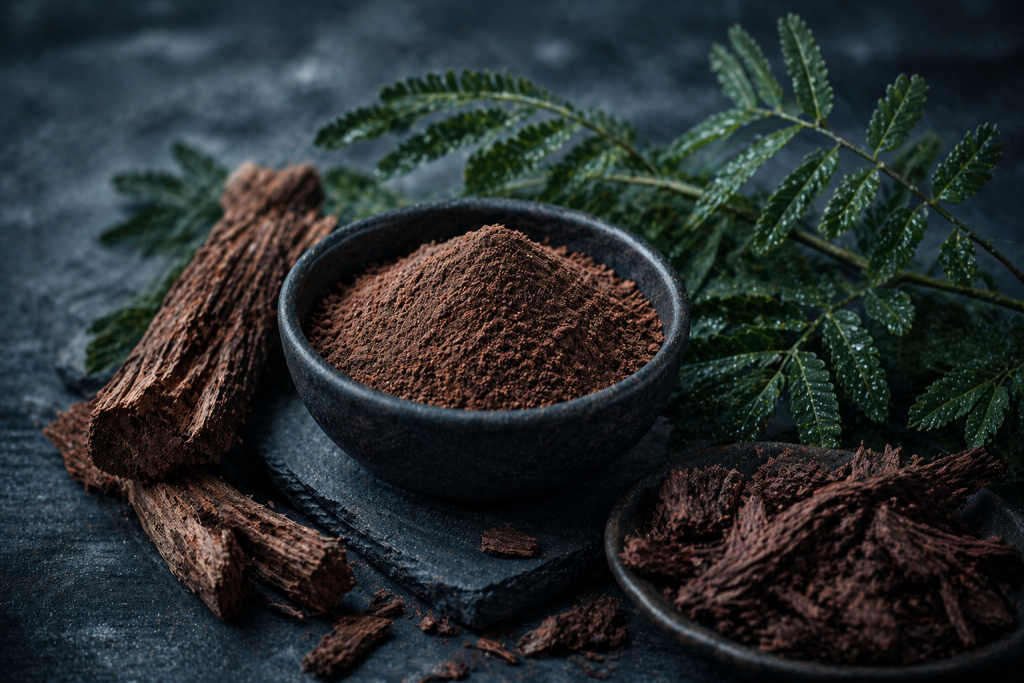
Tenuiflora, or Mimosa tenuiflora, is a tree native to regions of Mexico, Central America, and South America. The inner root bark of Mimosa has been used for generations in traditional practices and remains a widely discussed botanical material today.
Tenuiflora is valued for its:
- natural origin
- versatility in plant-based applications
- traditional use history
Today, it is most commonly associated with:
- botanical skincare
- natural soap making
- plant-based formulations
If you’re new to working with botanical materials, understanding how sourcing and quality affect results is important. You can explore more foundational guides and breakdowns here:
https://tenuiflorashop.com/blog
Traditional Uses of Tenuiflora
Historically, Mimosa Hostilis has been used in a variety of traditional contexts, particularly in regions where the plant grows naturally.
These uses have often focused on:
- plant-based topical preparations
- natural formulations
- traditional botanical applications
It’s important to note that traditional use does not always equate to scientifically proven medical benefits. However, it does provide valuable insight into why Tenuiflora continues to be widely used today.
Potential Properties
Mimosa Hostilis Root Bark is often discussed in relation to its natural composition. Like many plant-based materials, it contains naturally occurring compounds that are studied in broader botanical research.
These may include:
- tannins
- flavonoids
- other plant-derived compounds
These compounds are commonly associated with plant structure and natural defense mechanisms.
For broader scientific context on plant-based compounds, you can explore:
https://www.sciencedirect.com/topics/agricultural-and-biological-sciences/plant-extract
Tenuiflora in Skincare and Topical Applications
One of the most common modern uses is in skincare and topical formulations.
Mimosa is often included in:
- natural soaps
- botanical skincare blends
- plant-based cosmetic products
Many people are drawn to Tenuiflora because of its:
- traditional reputation
- natural origin
- compatibility with plant-based ingredients
In these applications, Mimosa is frequently used in powdered form due to its consistency and ease of use. If you’re looking to explore this format, you can view available options here:
https://tenuiflorashop.com/shop-2/mhrb-powder
Why It Has Gained Popularity
Tenuiflora has become increasingly popular in recent years, particularly within natural product communities.
Natural and Plant-Based Appeal
Consumers are increasingly interested in plant-based alternatives to synthetic ingredients. Tenuiflora fits well into this shift.
Long History of Use
Its long-standing use in traditional practices contributes to its reputation and continued interest.
Versatility Across Applications
Mimosa can be incorporated into a wide range of botanical products, making it appealing to both beginners and experienced users.
Important Considerations
While it is widely discussed, it’s important to approach the topic responsibly.
Limited Clinical Evidence
Although it has traditional uses, there is limited modern clinical research confirming specific health benefits.
Quality Varies Between Suppliers
As with any botanical material, quality can vary significantly depending on sourcing and processing.
Intended Use Matters
It is typically sold as a raw botanical material, and its use should align with appropriate applications.
Choosing the Right Form of Tenuiflora
The bark is available in several forms, including:
- powder
- shredded bark
- chunked bark
Each form offers different advantages depending on your workflow and preferences.
Powder is often preferred for ease of use, while shredded and chunked forms provide more flexibility and longer storage potential.
If you’re comparing options or exploring different textures, you can browse all available forms here:
https://tenuiflorashop.com/shop-2
Common Misconceptions
“Tenuiflora Has Proven Medical Benefits”
While the plant is widely discussed, it is not universally supported by clinical evidence for specific medical outcomes.
“All Tenuiflora Is the Same”
Quality varies significantly between suppliers due to differences in sourcing, processing, and storage.
“More Is Always Better”
As with any botanical material, responsible and informed use is important.
Frequently Asked Questions
What is it used for?
Mimosa is commonly used in botanical applications, including natural skincare and plant-based formulations.
Are there proven health benefits?
Tenuiflora has a long history of traditional use, but there is limited clinical evidence supporting specific medical claims.
Why is it so popular?
Its natural origin, versatility, and traditional use contribute to its growing popularity.
Does quality matter when choosing?
Yes — sourcing, processing, and consistency all play a major role in overall quality.
Disclaimer
This content is for informational purposes only and is not intended to diagnose, treat, cure, or prevent any disease. Information regarding Tenuiflora reflects traditional uses and general botanical research, not medical advice. Always consult a qualified professional before making decisions related to health or wellness.
Final Thoughts
Tenuiflora is a unique and widely discussed botanical material with a long history of traditional use and growing interest in modern applications.
While it is often associated with various potential benefits, it’s important to approach these claims with a balanced and informed perspective.
If you’re exploring Mimosa Hostilis, focusing on quality, sourcing, and proper application will help you get the most out of this versatile plant.