Natural soap making has grown rapidly in recent years as more people look for plant-based ingredients that add both beauty and functionality to handmade skincare. One botanical ingredient that has become increasingly popular among soap makers is mimosa tenuiflora root bark, often referred to as mimosa hostilis root bark.
Known for its deep natural color and long history of traditional use, this botanical material can add rich earthy tones and unique character to handmade soap formulations.
In this guide, we’ll explore how soap makers use mimosa root bark in their recipes, why it’s valued in natural soap making, and the different ways it can be incorporated into cold process soap.
Why Soap Makers Use Mimosa Hostilis Root Bark
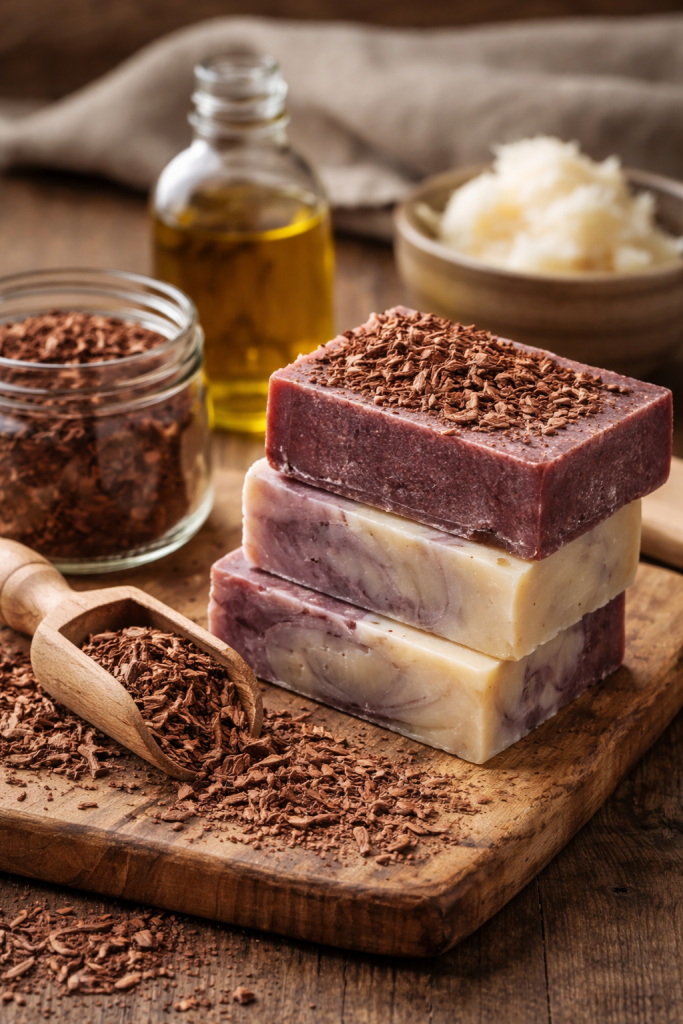
Mimosa tenuiflora root bark has been used traditionally in various regions for its botanical properties and natural pigmentation. For soap makers, the bark is primarily valued for its ability to produce deep reddish-purple to earthy brown tones in natural soap.
Unlike synthetic dyes, botanical ingredients offer a more natural aesthetic that many customers appreciate when purchasing handmade skincare products.
When added to cold process soap, mimosa root bark can:
- Create natural earthy colors
- Add visual texture to bars
- Provide a botanical story behind the product
- Appeal to customers seeking plant-based skincare ingredients
Many natural soap makers specifically choose powdered mimosa root bark because it disperses evenly throughout the soap batter.
You can learn more about the different textures available in our product listings for
mimosa hostilis for sale.
Powder vs Shredded Bark for Soap Making
When working with mimosa root bark in soap making, the form of the bark matters.
Powdered Bark
Powdered bark is the most common choice for soap making because:
- It disperses easily into soap batter
- It produces more even coloring
- It is easy to measure in small amounts
Powder works especially well when blended directly into oils before the lye solution is added.
Shredded Bark
Shredded bark is often used when soap makers want to create botanical infusions rather than adding plant material directly to the soap.
Infusions allow the color and plant compounds to transfer into oils while avoiding visible plant particles in the finished bar.
Method 1: Adding Mimosa Powder Directly to Soap Batter
One of the simplest ways to use mimosa root bark in soap making is to mix the powder directly into your oils before combining them with the lye solution.
Basic method:
- Measure your soap oils according to your recipe.
- Add a small amount of mimosa root bark powder to the oils.
- Blend thoroughly to remove clumps.
- Add your lye water and continue making soap as normal.
Most soap makers begin with approximately:
½ to 1 teaspoon per pound of oils
This amount can be adjusted depending on the desired color intensity.
Starting small is always recommended when experimenting with botanical additives.
Method 2: Infusing Mimosa Root Bark Into Oils
Another popular technique used by herbalists and soap makers is botanical oil infusion.
Infusing the bark into oil extracts the natural pigments while leaving behind the solid plant fibers.
Simple infusion method
- Combine shredded or powdered bark with a carrier oil such as olive oil.
- Warm gently using a double boiler for several hours.
- Allow the mixture to cool.
- Strain the oil through cheesecloth or a fine filter.
The resulting infused oil can then be used as part of your soap recipe.
Oil infusions are commonly used in botanical skincare and herbal formulations.
If you want to learn more about herbal oil extraction techniques, the
Herbal Academy’s guide to herbal oil infusions provides a helpful overview.
Natural Color Variations in Botanical Soap
One interesting aspect of using plant ingredients in soap making is that colors can vary depending on several factors:
- oil composition
- pH levels
- curing time
- plant source
Because mimosa root bark contains natural tannins and pigments, the final color may shift slightly during the curing process.
Some soap makers observe colors ranging from:
- muted purple
- reddish brown
- earthy burgundy tones
These variations are part of what makes botanical soap unique.
For additional information about natural soap colorants, the soap making community resource
Soap Queen’s guide to natural soap colorants is a useful reference.
Tips for Working With Botanical Soap Ingredients
When experimenting with botanical additives such as mimosa root bark, a few best practices can help improve results.
Start with small test batches
Plant materials can vary in strength depending on their harvest and processing.
Testing small batches allows you to refine your formulation before making larger quantities.
Blend powders thoroughly
Powders should always be mixed into oils before adding lye water to prevent clumping.
Strain infusions carefully
If using infused oils, filtering the mixture properly ensures a smooth final product.
Why Botanical Ingredients Are Growing in Popularity
The handmade skincare movement has shifted toward ingredients that emphasize simplicity and natural sourcing.
Botanical materials such as clays, herbs, and plant barks allow soap makers to create products that feel closer to traditional herbal practices.
Mimosa tenuiflora root bark fits well within this approach because it offers:
- natural color
- botanical storytelling
- compatibility with plant-based formulations
Soap makers who enjoy experimenting with botanical ingredients often incorporate materials like mimosa bark alongside clays, herbal powders, and plant oils.
Exploring Mimosa Hostilis Root Bark for Soap Making
Whether used as a powdered additive or as part of an oil infusion, mimosa root bark can bring a unique visual element to handmade soap.
Many artisans appreciate working with botanical ingredients because they create a more natural aesthetic while allowing creative experimentation with color and texture.
If you’re interested in exploring this ingredient further, you can browse different textures and sizes of mimosa hostilis root bark available in our shop.