Mimosa tenuiflora root bark has become increasingly popular among artisans, skincare formulators, herbalists, and natural dye enthusiasts. While many people first encounter the plant through soap making, the reality is that Mimosa tenuiflora has a long history of diverse botanical uses that extend far beyond handcrafted soaps.
Native to parts of Mexico and South America, Mimosa tenuiflora is known for its rich tannin content, vibrant natural pigment, and traditional applications in botanical preparations. These properties have made it a fascinating plant for natural product creators seeking high-quality plant materials for their projects.
Today, many small businesses, DIY formulators, and botanical researchers seek ethically sourced inner root bark for crafting products, conducting experiments, or exploring natural plant materials. If you’ve been curious about what else this plant can be used for, you’re in the right place.
Below we explore seven practical uses for Mimosa tenuiflora root bark, along with helpful tips for choosing the right texture for your project.
Understanding Mimosa Tenuiflora Root Bark
Before diving into specific applications, it’s helpful to understand what makes this plant unique.
Mimosa tenuiflora contains a combination of naturally occurring compounds including tannins, flavonoids, and pigments that give the bark its distinctive deep reddish-purple color. These compounds are part of what makes the plant interesting for botanical artisans.
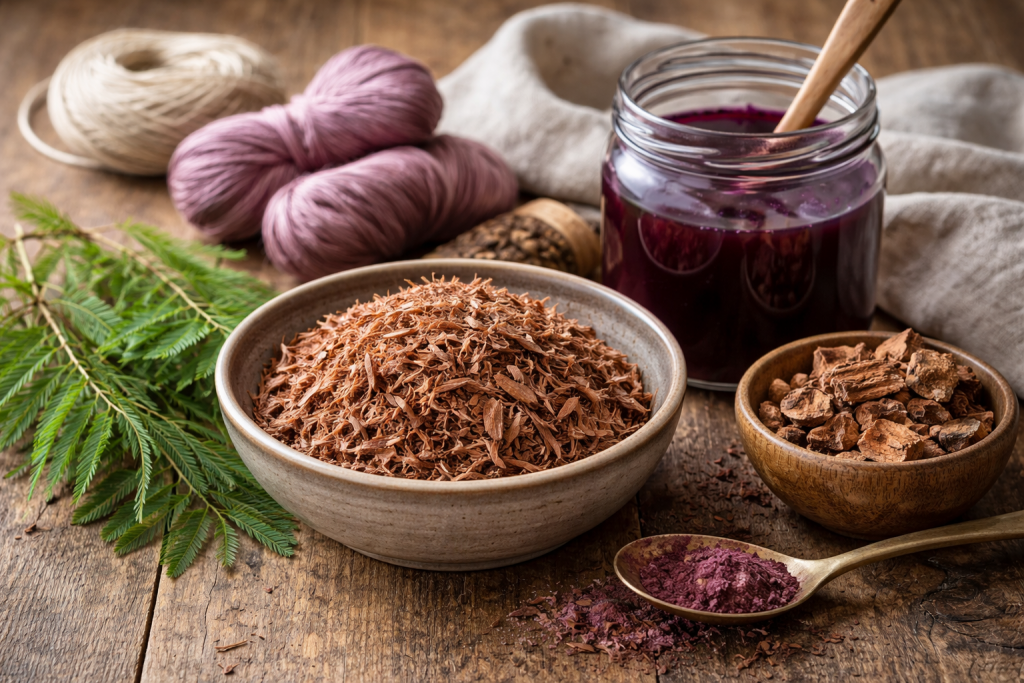
The inner root bark is typically harvested, cleaned, and dried before being prepared into different textures such as:
Each texture has its own advantages depending on how the bark will be used.
For example:
Powder is often preferred for skincare and cosmetic formulations because it blends easily. Shredded bark works well for dye extraction and infusions, while chunk bark may be useful for long-term storage or slow extraction processes.
1. Natural Dyeing for Fabrics and Textiles
One of the most fascinating uses for Mimosa tenuiflora root bark is as a natural dye source.
Natural dye artists value the bark for its ability to produce rich colors ranging from:
- deep burgundy
- reddish purple
- muted brown tones
The exact color outcome depends on several factors including:
- extraction method
- fabric type
- mordants used
- water pH levels
Many artisans use shredded bark for dye extraction because the larger fibers allow water to circulate more freely during boiling or steeping.
Typical fabrics that accept Mimosa dyes well include:
- cotton
- wool
- silk
- linen
The result is a beautiful organic tone that synthetic dyes often struggle to replicate.
Natural dyeing has seen a resurgence in recent years as more people look for environmentally conscious alternatives to chemical dyes. Plants like Mimosa tenuiflora offer artists an exciting opportunity to create unique color palettes using natural materials.
For a broader overview of plant-based dye traditions, this botanical resource provides useful background
2. Handmade Soap Formulation
Soap making remains one of the most common uses for Mimosa tenuiflora root bark today.
Soap artisans appreciate the bark powder for several reasons:
- natural earthy color
- botanical appeal in ingredient lists
- compatibility with herbal soap recipes
When finely powdered bark is incorporated into soap formulas, it can add a subtle reddish tone to finished bars.
Some soap makers also use Mimosa tenuiflora infusions in oils prior to soap making, allowing the botanical compounds to integrate into the base oils before the saponification process begins.
If you’re experimenting with soap recipes, powdered bark is often the easiest texture to work with because it disperses evenly in the soap mixture.
You can find powdered inner root bark options here.
3. Botanical Skincare Experiments
Another growing area of interest is botanical skincare experimentation.
Natural skincare formulators often explore plant materials with traditional uses in herbal preparations. Mimosa tenuiflora has historically been used in various traditional botanical applications, which has sparked curiosity among modern formulators.
DIY skincare enthusiasts sometimes experiment with the bark in products such as:
- facial masks
- herbal infusions
- botanical creams
- skin balms
Because powdered bark blends easily with other ingredients, it’s typically the preferred format for these applications.
Many formulators combine Mimosa tenuiflora with other botanical ingredients such as:
- aloe vera
- calendula
- chamomile
- shea butter
The goal is often to create plant-based skincare products inspired by traditional herbal practices.
4. Botanical Extraction Projects
Plant extraction is another fascinating area where Mimosa tenuiflora root bark is sometimes explored.
Botanical extraction involves separating plant compounds from raw plant material using solvents such as water, alcohol, or oils. This process allows artisans and researchers to concentrate certain compounds found within the plant.
Shredded bark is commonly used for extraction projects because the increased surface area helps the extraction process occur more efficiently.
Extraction techniques can vary widely depending on the desired outcome. Some people experiment with:
- cold maceration
- hot water extraction
- alcohol tinctures
- oil infusions
These projects often appeal to herbalists and botanical researchers who are interested in understanding how plant compounds behave in different mediums.
5. Natural Pigments for Art Projects
Mimosa tenuiflora can also be used as a natural pigment source for art and craft projects.
Artists interested in natural materials sometimes use plant powders to create:
- handmade inks
- botanical paints
- natural pigments for paper
- eco-friendly craft dyes
The reddish pigment of Mimosa tenuiflora can produce interesting organic hues when mixed with water or binding mediums such as gum arabic.
These pigments can be used in:
- calligraphy
- watercolor art
- handmade journals
- experimental botanical art
The unique color profile makes Mimosa tenuiflora an intriguing addition to a natural artist’s palette.
6. Educational Botanical Research
Students and researchers studying plant chemistry often explore plant materials like Mimosa tenuiflora for educational purposes.
The bark provides an opportunity to examine topics such as:
- plant alkaloids
- natural tannins
- flavonoid compounds
- plant pigment chemistry
Botany students sometimes use plant samples in laboratory exercises that analyze plant structure or compound extraction techniques.
These educational projects help researchers better understand how plants produce the compounds that give them their distinctive properties.
7. Traditional Botanical Preparations
Historically, Mimosa tenuiflora has played a role in traditional botanical practices in certain regions of Mexico and South America.
Ethnobotanical studies have documented the use of Mimosa tenuiflora bark in traditional herbal preparations used by indigenous communities. These traditional uses have contributed to the plant’s reputation among herbalists interested in historical plant knowledge.
Today, many herbalists explore plants like Mimosa tenuiflora out of curiosity about traditional botanical wisdom and how plants have been used across cultures.
Understanding the historical context of plants helps modern herbalists appreciate the depth of knowledge that traditional communities have developed over generations.
Choosing the Right Bark Texture
When sourcing Mimosa tenuiflora root bark, choosing the right texture can make a big difference depending on the intended use.
Here is a quick guide.
Powder
Best for:
- skincare formulations
- soap making
- masks and creams
- botanical blending
Powder mixes easily with other ingredients and offers the highest surface area.
Shredded Bark
Best for:
- dye extraction
- botanical infusions
- pigment extraction
- herbal experiments
Shredded bark balances surface area with easier filtration.
Chunk Bark
Best for:
- long-term storage
- slow extraction processes
- buyers who prefer minimal processing
Chunks maintain the bark in a more natural state before processing.
Why Quality Matters
When sourcing Mimosa tenuiflora root bark, quality and sourcing practices are extremely important.
High-quality bark should be:
- ethically harvested
- properly dried
- free from contaminants
- stored correctly
Reputable suppliers also focus on maintaining consistent batches and reliable inventory so artisans and researchers can work with predictable materials.
If you’re searching for premium quality mimosa hostilis for sale, you can explore ethically sourced options here.
Storage Tips for Mimosa Tenuiflora Root Bark
Proper storage can help maintain the quality and longevity of your bark.
Some general recommendations include:
Store the bark in a cool, dry environment away from direct sunlight. Exposure to moisture can reduce the quality of botanical materials over time.
Airtight containers are ideal for long-term storage. Glass jars or sealed bags can help preserve the bark’s natural properties.
If stored correctly, dried bark can remain usable for extended periods while maintaining its integrity.
The Growing Interest in Botanical Materials
Interest in plant-based materials continues to grow as more people explore natural alternatives to synthetic ingredients.
Artisans, herbalists, and natural product creators increasingly seek out plants like Mimosa tenuiflora because they offer unique properties that cannot easily be replicated by artificial materials.
From natural dyes to skincare experimentation, the possibilities for botanical exploration continue to expand.
As awareness grows around sustainable sourcing and plant-based creativity, plants like Mimosa tenuiflora will likely remain a fascinating resource for years to come.
Final Thoughts
Mimosa tenuiflora root bark is far more versatile than many people initially realize. While soap making remains one of its most common uses, the bark also plays a role in natural dyeing, botanical extraction, skincare experimentation, art projects, and educational research.
For artisans and researchers interested in exploring botanical materials, Mimosa tenuiflora offers a unique combination of natural pigments, plant compounds, and traditional history.
Whether you are experimenting with natural dyes, crafting botanical skincare, or studying plant chemistry, working with high-quality bark can make all the difference.
If you are interested in sourcing premium bark for your next project, you can explore available options here.