If you’ve been researching botanical materials online, you’ve probably noticed that not all products look the same. Some powders appear rich and consistent, while others vary significantly in color, texture, and overall appearance.
This often leads to an important question:
How do you identify high-quality mimosa tenuiflora root bark powder?
Whether you’re comparing suppliers, evaluating product listings, or simply trying to understand what separates one product from another, knowing what factors influence quality can help you make more informed decisions.
In this guide, we’ll explore how high-quality mimosa tenuiflora root bark powder is produced, what characteristics buyers commonly evaluate, and why sourcing and processing play such an important role in overall consistency.
What Is Mimosa Tenuiflora Root Bark Powder?
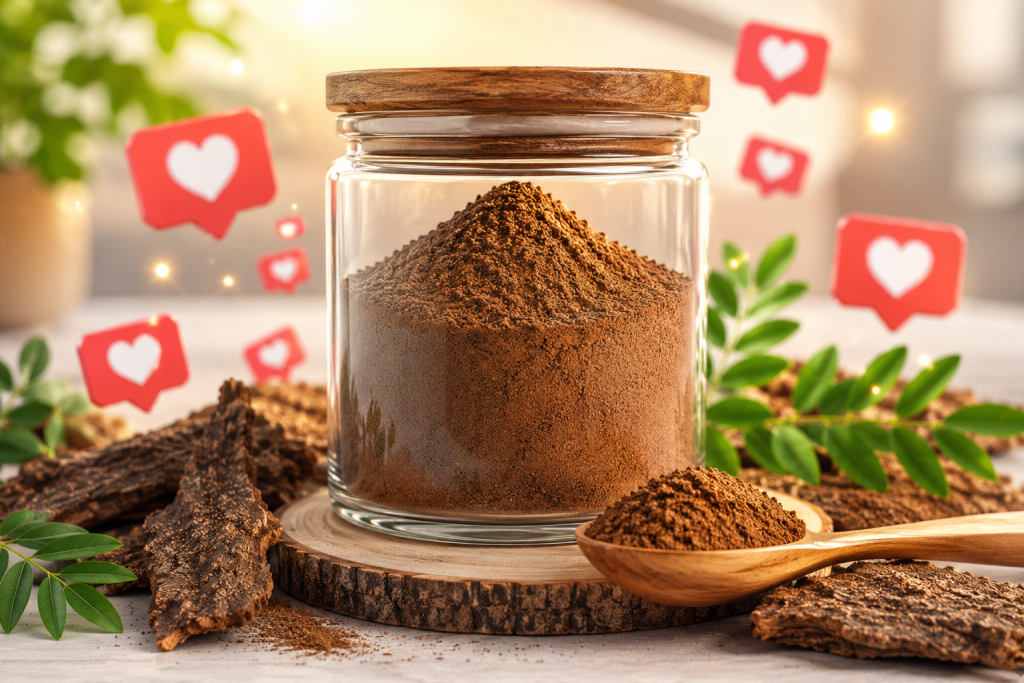
Mimosa tenuiflora root bark powder is produced by harvesting root bark, separating the desired material, cleaning it, drying it, and grinding it into a fine powder.
Although the final product may appear simple, several steps influence its quality before it reaches the customer.
These include:
- Harvesting practices
- Bark selection
- Cleaning procedures
- Drying methods
- Grinding consistency
- Quality control standards
Because each supplier may use slightly different methods, quality can vary considerably.
Why Quality Matters
Many buyers focus primarily on price when comparing products.
However, high-quality mimosa tenuiflora root bark powder is often distinguished by factors that go beyond cost.
Quality can influence:
- Consistency
- Appearance
- Storage stability
- Supplier reliability
- Customer satisfaction
Understanding these differences can help buyers avoid disappointment and make more informed purchasing decisions.
Start With Supplier Transparency
One of the strongest indicators of high-quality mimosa tenuiflora root bark powder is supplier transparency.
Reliable suppliers typically provide:
- Clear product descriptions
- Detailed sizing information
- Educational resources
- Consistent product photography
They are also more likely to explain how their products are processed and handled.
When suppliers openly discuss sourcing and quality standards, buyers can make more confident decisions.
Evaluate Product Consistency
Consistency is one of the most commonly discussed indicators of quality.
High-quality mimosa tenuiflora root bark powder often demonstrates:
- Uniform texture
- Consistent particle size
- Clean appearance
Significant variation may indicate differences in processing methods or raw material quality.
Although natural products will always have some variation, consistency remains an important consideration.
Why Processing Influences Quality
Many buyers don’t realize how much processing affects the final product.
The journey from harvested root bark to finished powder involves several stages, including:
Cleaning
Removing debris and unwanted material.
Drying
Reducing moisture content while preserving consistency.
Grinding
Creating a uniform powder texture.
Each of these stages can influence the appearance and consistency of the finished product.
If you’d like a deeper look at this process, our complete guide explains how Mimosa tenuiflora root bark is processed from harvest to finished powder:
Color and Appearance
One of the first things buyers notice is color.
While appearance alone does not determine quality, it can provide useful clues.
Factors that may influence color include:
- Harvest timing
- Drying conditions
- Processing methods
- Natural variation
Because botanical materials are natural products, slight variation between batches is normal.
The goal is not absolute uniformity, but overall consistency and quality.
Why Supplier Standards Matter
Not every supplier follows the same standards.
Differences in:
- Quality control
- Material selection
- Processing procedures
can result in noticeably different products.
This is one reason why buyers often spend time researching suppliers before making a purchase.
If you’re interested in learning more about this topic, our guide on supplier quality explores why products can vary significantly between sources:
Comparing Powder to Other Textures
When evaluating high-quality mimosa tenuiflora root bark powder, it’s also helpful to understand how powder compares to other forms.
Common options include:
Powder
- Fine texture
- Convenient handling
- Consistent appearance
Shredded Bark
- Larger pieces
- Moderate processing
- Flexible storage
Chunked Bark
- Minimal processing
- Larger natural pieces
- Long-term storage potential
Each form has advantages, but powder remains one of the most popular choices due to its convenience and consistency.
You can explore available powder options here.
Customer Reviews Can Be Helpful
Reviews often provide useful insight into:
- Product consistency
- Shipping reliability
- Customer experience
While reviews should not be the sole factor in a purchasing decision, they can help identify patterns over time.
Look for recurring themes related to:
- Product quality
- Appearance
- Consistency
- Service
Storage Considerations
Even high-quality mimosa tenuiflora root bark powder should be stored properly.
Recommended practices typically include:
- Cool environment
- Dry conditions
- Sealed containers
- Protection from excess moisture
Proper storage helps maintain consistency over time.
Understanding Natural Variation
One misconception among new buyers is the expectation that every batch will look identical.
Botanical materials are natural products.
As a result, some variation is expected.
Factors such as:
- Climate
- Harvest conditions
- Seasonal differences
can all influence appearance.
High-quality suppliers focus on maintaining consistency while acknowledging natural variation.
Botanical Quality and Industry Standards
The importance of quality control extends beyond Mimosa tenuiflora.
Organizations such as the Texan by Nature discuss how environmental conditions and plant handling practices can affect botanical materials:
Similarly, the Food and Agriculture Organization provides educational information regarding plant production and handling practices around the world:
These broader principles help explain why careful processing and quality control remain important across many botanical products.
Frequently Asked Questions
What is high-quality mimosa tenuiflora root bark powder?
High-quality mimosa tenuiflora root bark powder is generally characterized by consistent texture, clean appearance, careful processing, and reliable sourcing.
Does color determine quality?
Not entirely. While color may provide clues, it should be considered alongside consistency, processing, and supplier reputation.
Why does powder vary between suppliers?
Differences in sourcing, drying, cleaning, and grinding methods can all affect the final product.
Is powder better than shredded bark?
Neither option is inherently better. The best choice depends on individual preferences and priorities.
How can I compare suppliers?
Look at transparency, product information, consistency, educational resources, and customer feedback.
Disclaimer
This article is provided for informational and educational purposes only. It is not intended to diagnose, treat, cure, or prevent any disease, nor should it be interpreted as medical, legal, or professional advice.
Final Thoughts
Choosing high-quality mimosa tenuiflora root bark powder involves more than simply comparing prices.
By understanding how processing, consistency, supplier standards, and quality control affect the final product, buyers can make more informed decisions and better evaluate available options.
While no two batches of a natural botanical material will be perfectly identical, suppliers who prioritize transparency, consistency, and quality standards often provide a more reliable experience over time.