Shopping for mimosa hostilis root bark online can feel overwhelming, especially if you’re purchasing from a supplier for the first time. A quick search often reveals dozens of websites offering products that appear similar, yet prices, descriptions, packaging, and educational resources can vary considerably.
So how do you determine which supplier is worth trusting?
Rather than focusing only on price or product photos, experienced buyers tend to ask a series of questions before placing an order. These questions help reveal how a supplier handles sourcing, processing, quality control, packaging, and customer service—factors that often have a much greater impact on the overall buying experience than marketing alone.
Whether you’re looking to buy Mimosa Hostilis root bark online for the first time or comparing several suppliers before making another purchase, this guide will walk through the most important questions to ask before choosing a supplier.
Why Asking Questions Matters
Not every supplier operates the same way.
Some provide detailed educational resources, transparent product descriptions, and consistent customer support, while others offer very little information beyond a product photo and a price.
Asking the right questions helps buyers evaluate:
- Product consistency
- Supplier transparency
- Packaging quality
- Shipping practices
- Educational resources
- Overall professionalism
These considerations often provide a clearer picture of quality than price alone.
Question 1: Does the Supplier Clearly Explain Their Products?
One of the first things to evaluate is the quality of the product information.
A reputable mimosa hostilis root bark supplier should provide clear descriptions explaining:
- Available textures
- Package sizes
- General storage recommendations
- Product photographs
- Frequently asked questions
Detailed information demonstrates that a supplier understands their products and values customer education.
Question 2: Are Multiple Textures Available?
Most experienced suppliers offer more than one texture.
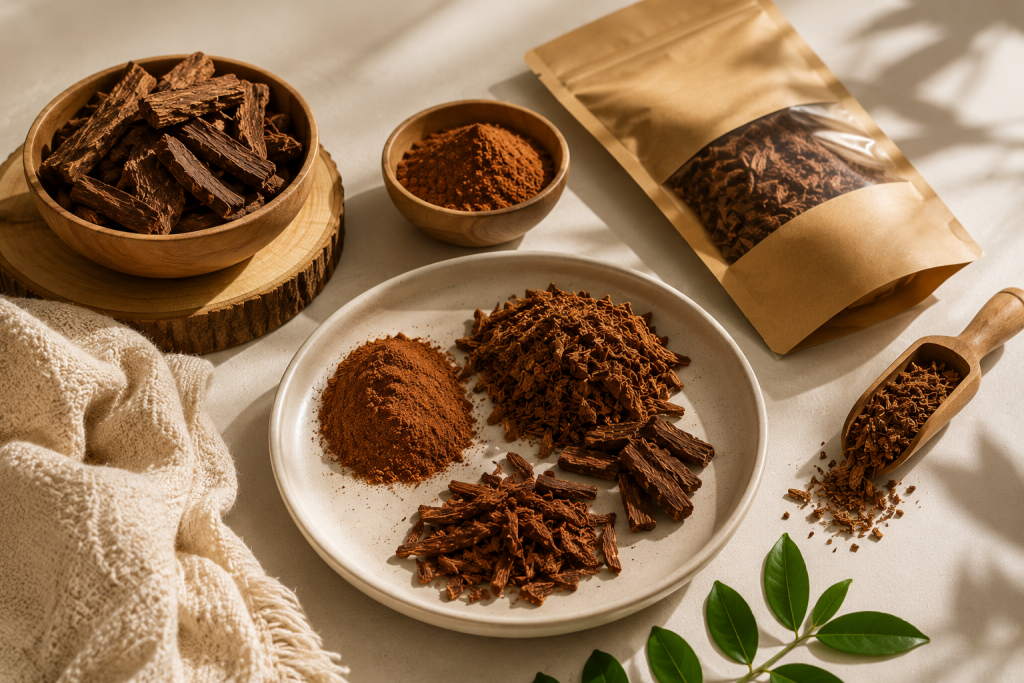
Common options include:
Powder
A finely processed texture appreciated for consistency and convenience.
Shredded Bark
A versatile option that balances convenience with minimal processing.
Chunked Bark
The least processed form, consisting of larger pieces of bark.
Offering multiple textures allows customers to choose the option that best fits their preferences rather than limiting them to a single format.
If you’d like to compare available options, our Mimosa Hostilis Root Bark Powder collection provides additional information about one of the most popular textures.
Question 3: Does the Supplier Discuss Quality?
Quality is one of the most important considerations when purchasing botanical materials.
However, quality should be explained—not simply claimed.
Reliable suppliers often discuss topics such as:
- Processing methods
- Natural variation
- Storage recommendations
- Packaging practices
- Product consistency
Educational content often demonstrates confidence in the products being offered.
Question 4: Is the Supplier Transparent?
Transparency is one of the strongest indicators of professionalism.
Look for suppliers that openly provide:
- Contact information
- Educational blog articles
- Product photographs
- Detailed policies
- Customer support options
Transparency helps buyers make informed decisions before purchasing.
Question 5: Are Product Photos Consistent?
Photographs should help customers understand what they’re purchasing.
Although lighting naturally affects appearance, multiple high-quality images often provide more confidence than a single heavily edited photograph.
Product photos should accurately represent:
- Texture
- Packaging
- General appearance
Rather than attempting to create unrealistic expectations.
Question 6: Does the Supplier Explain Natural Variation?
Because mimosa hostilis root bark is a botanical material, natural variation is completely normal.
Responsible suppliers usually explain that differences in:
- Color
- Texture
- Harvest conditions
- Seasonal growing conditions
can all influence appearance without necessarily affecting quality.
This type of educational content demonstrates honesty and experience.
Question 7: How Is the Product Packaged?
Packaging influences more than presentation.
Thoughtful packaging helps protect botanical materials during storage and shipping.
Quality packaging may help reduce exposure to:
- Moisture
- Dust
- Air
- Physical damage
Although packaging cannot improve poor-quality material, it plays an important role in preserving products after processing.
Question 8: Does the Supplier Offer Educational Resources?
One characteristic shared by many respected suppliers is education.
Educational resources may include:
- Buying guides
- Storage recommendations
- Frequently asked questions
- Processing articles
- Quality guides
These resources help customers better understand botanical materials before purchasing.
If you’re researching suppliers, our guide on Buy Mimosa Hostilis Root Bark Online explores additional considerations buyers commonly evaluate:
Question 9: Can the Supplier Explain What Makes Their Products High Quality?
Many websites describe their products as “premium.”
Fewer explain why.
Look for explanations discussing:
- Harvesting
- Cleaning
- Drying
- Processing
- Storage
- Quality control
Specific information is generally more useful than broad marketing claims.
Question 10: Are Customer Reviews Available?
Reviews provide valuable insight into the overall buying experience.
Rather than focusing on one review, look for consistent themes such as:
- Reliable shipping
- Product consistency
- Responsive customer support
- Accurate descriptions
- Repeat purchases
Patterns across many reviews often tell a more complete story.
Question 11: Does the Website Answer Common Questions?
Comprehensive FAQ sections help customers make informed decisions.
They also demonstrate that a supplier understands the questions buyers frequently ask.
Helpful FAQ topics include:
- Storage
- Packaging
- Product textures
- Shipping
- General botanical information
Our Mimosa Hostilis Root Bark FAQs answer many of the questions customers commonly ask before placing an order:
Question 12: Is Authenticity Discussed?
Authenticity remains an important consideration when comparing suppliers.
Rather than making unsupported claims, trustworthy businesses often explain the characteristics buyers should evaluate themselves.
If you’re researching authentic Mimosa Hostilis root bark, our guide covering 5 Signs You’re Buying Authentic Mimosa Hostilis Root Bark explores several indicators experienced buyers commonly consider:
Common Buying Mistakes
Choosing the Lowest Price
Lower prices aren’t automatically better.
Supplier standards often vary considerably.
Ignoring Educational Content
A supplier willing to educate customers usually demonstrates greater transparency than one relying solely on advertising.
Judging Quality Only by Photos
Photography provides useful information, but should always be evaluated alongside product descriptions, educational resources, and customer reviews.
Assuming Every Supplier Is the Same
Differences in processing, storage, packaging, and customer support often create significantly different buying experiences.
Frequently Asked Questions
What should I ask before buying Mimosa Hostilis root bark online?
Ask about product textures, processing methods, storage recommendations, packaging, educational resources, and customer support.
How can I identify a reliable supplier?
Look for transparency, detailed product information, educational articles, quality photography, and consistent customer reviews.
Does price determine quality?
Not necessarily.
Supplier standards, processing, packaging, and customer support often provide a more complete picture than price alone.
Why is supplier transparency important?
Transparency helps buyers understand exactly what they’re purchasing while building confidence through education rather than marketing alone.
Should I compare multiple suppliers?
Yes.
Comparing several suppliers often helps buyers better understand differences in product information, quality standards, and customer service.
Understanding the scientific identity of a botanical material is an important part of making informed purchasing decisions. The Global Biodiversity Information Facility (GBIF) maintains one of the world’s largest biodiversity databases and recognizes Mimosa tenuiflora as the accepted scientific name for the species. Consulting authoritative botanical resources can help buyers better understand plant taxonomy while comparing products and suppliers.
Disclaimer
This article is provided for educational and informational purposes only. It is not intended to diagnose, treat, cure, or prevent any disease or provide medical, legal, or professional advice. The information presented is designed to help readers make informed purchasing decisions regarding botanical materials.
Final Thoughts
Choosing where to buy mimosa hostilis root bark online involves much more than comparing prices or browsing product photos.
By asking thoughtful questions about processing, storage, packaging, educational resources, and supplier transparency, buyers can make more informed decisions and better evaluate the overall quality of a supplier.
The most reliable suppliers typically prioritize consistency, clear communication, and customer education alongside carefully prepared botanical materials. Taking the time to evaluate these factors before purchasing can help you find a supplier that values long-term quality and customer satisfaction just as much as you do.