Introduction
If you’ve ever noticed slight differences between orders and wondered why mimosa tenuiflora root bark vary between batches, you are not alone.
This is actually one of the most common questions people ask when purchasing botanical materials online.
Because mimosa tenuiflora is a naturally occurring plant material, some variation is completely normal. Differences in growing conditions, seasonality, processing methods, texture format, and natural plant development can all influence how bark appears from one batch to another.
The good news?
Small differences do not automatically mean something is wrong.
In this guide, we’ll explain why mimosa tenuiflora root bark vary between batches, what natural variation is completely normal, what buyers should realistically expect, and when differences may actually be worth paying closer attention to.
Why Botanical Materials Naturally Vary
One important thing to understand about botanical materials is that plants are not manufactured products.
Unlike synthetic materials, natural products are influenced by environmental conditions.
Several factors can influence how bark appears or feels between batches, including:
- Climate conditions
- Rainfall levels
- Seasonal harvest timing
- Soil conditions
- Natural plant maturity
- Processing methods
Because of this, some level of variation is expected.
In fact, slight differences are often a normal part of working with plant-based materials.
Growing Conditions Can Influence Appearance
One reason mimosa tenuiflora root bark vary between batches is because environmental conditions naturally change over time.
Plants respond to:
Rainfall
Weather patterns may influence moisture levels and natural development.
Sun Exposure
Growing conditions may subtly influence plant appearance.
Seasonal Timing
Harvest timing can naturally contribute to slight differences between batches.
Natural Plant Development
Just like many botanical materials, plants can naturally vary in maturity and structure.
Because of these variables, expecting every batch to appear perfectly identical may not always be realistic.
Why Texture Formats Can Look Different
Another common source of confusion happens when buyers compare different textures.
For example:
Powder
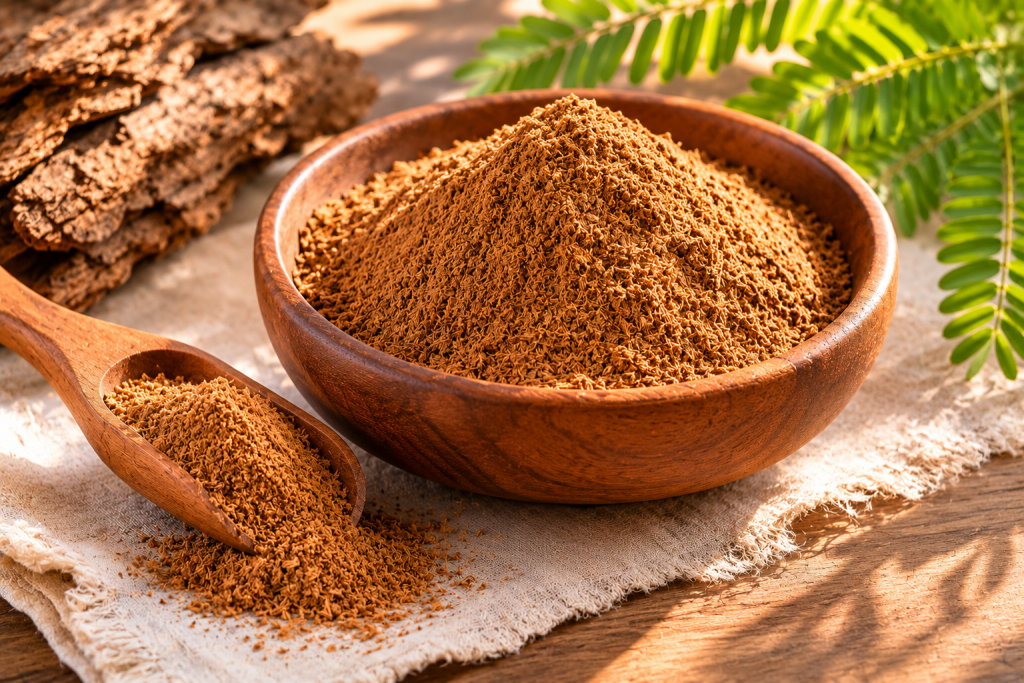
Powder often appears:
- Darker
- More concentrated in color
- More uniform in appearance
Because particles are finer, light reflects differently.
Shredded Bark
Shredded bark may show:
- More visible fibers
- Slightly more natural variation
- More noticeable texture detail
This is completely normal.
Texture format alone can make batches appear different even when overall consistency remains strong.
Processing Can Influence Batch Appearance
Even high-quality botanical materials may show minor differences due to processing.
Natural variation in:
- Fiber size
- Grinding texture
- Moisture levels
- Visual presentation
can slightly affect how bark appears from one shipment to another.
This does not necessarily mean one batch is “better” or “worse.”
Often, it simply reflects the reality of working with natural plant materials.
What Variation Is Completely Normal
When asking why mimosa tenuiflora root bark vary between batches, it helps to know what differences are generally considered normal.
These may include:
Slight Color Differences
Some variation in shade may naturally occur.
Texture Variation
Fibers may appear slightly different from batch to batch.
Density Changes
Some materials may feel slightly lighter or denser.
Natural Visual Differences
Plant materials rarely look exactly identical.
Minor differences are usually expected.
When Buyers Should Pay Closer Attention
While natural variation is normal, buyers may still want to pay attention to major inconsistencies.
Some things worth evaluating include:
Completely Different Texture
If texture changes dramatically without explanation, it may raise questions.
Extremely Inconsistent Appearance
Major shifts between batches may deserve closer attention.
Lack of Transparency
Clear product information and educational content often help buyers better understand expectations.
If you want to learn more about how buyers evaluate authenticity and consistency, this guide may help:
How Do I Know If Mimosa Tenuiflora Root Bark Is Authentic?
Why Inner Root Bark Is Often Discussed
Many buyers researching variation also come across conversations about inner root bark.
This refers to the inner layer of the bark, which is often recognized for more consistent coloration and texture.
If you want a deeper explanation of why this matters, you can learn more here:
Mimosa Tenuiflora Inner Root Bark: Why Quality and Sourcing Matter
Why Repeat Buyers Learn to Expect Natural Variation
People who order botanical materials regularly often become more comfortable with small differences over time.
Why?
Because they begin to recognize that natural materials are rarely perfectly identical.
Many repeat buyers eventually focus less on minor visual changes and more on:
- Overall consistency
- Reliable texture
- Transparency
- Predictable expectations
You can explore commonly selected products here:
Educational Perspective on Botanical Variation
Organizations such as the Missouri Botanical Garden and American Botanical Council provide educational information about plant materials, botanical variation, and how naturally occurring differences are common among plant-based products.
Frequently Asked Questions
Why does mimosa tenuiflora root bark vary between batches
Natural differences in growing conditions, seasonality, processing, and texture can all influence slight batch variation.
Should every batch look exactly the same
No. Botanical materials naturally vary and may show slight differences.
Does powder look different than shredded bark
Yes. Powder often appears darker and more uniform, while shredded bark shows more visible fibers.
Is variation automatically a bad sign
Not necessarily. Small differences are often completely normal with plant-based materials.
What should I actually pay attention to
Major texture shifts, extremely inconsistent appearance, or unclear product information may be worth evaluating more closely.
Understanding Natural Variation in Botanical Materials
One important thing to remember when working with plant-based materials is that natural variation is completely normal. Unlike manufactured products, botanicals are influenced by factors such as climate, rainfall, soil conditions, seasonal timing, and natural plant development. This means slight differences between batches can occur even when overall consistency remains strong. Educational organizations such as the American Botanical Council provide helpful information about plant materials and how natural variation commonly occurs among botanicals used across different industries.
Final Thoughts
Understanding why mimosa tenuiflora root bark vary between batches helps create more realistic expectations when working with natural botanical materials.
Because plants are naturally influenced by climate, seasonality, and processing, slight differences between batches are often normal and expected.
Rather than focusing on perfect uniformity, many experienced buyers instead look for overall consistency, transparency, and realistic expectations when evaluating botanical products over time.