Introduction
If you’ve been researching mimosa tenuiflora inner root bark, you’ve probably noticed that not all bark looks, feels, or performs the same.
This is one of the most important quality factors buyers often overlook.
While many people focus only on pricing or whether bark is offered in powder, shredded, or chunked form, the real difference often starts with what part of the bark is actually being used.
In simple terms, mimosa tenuiflora inner root bark refers to the inner portion of the root bark, which is naturally richer in color and more consistent in texture than outer bark material.
For buyers looking for reliable consistency, understanding the difference between inner root bark and lower-quality material can make a major difference in overall quality.
In this guide, we’ll break down what mimosa tenuiflora inner root bark actually is, why sourcing matters, what high-quality bark should look like, and how to make more informed purchasing decisions.
What Is Mimosa Tenuiflora Inner Root Bark
Mimosa tenuiflora inner root bark refers to the inner layer of the bark taken from the root system of the mimosa tenuiflora tree.
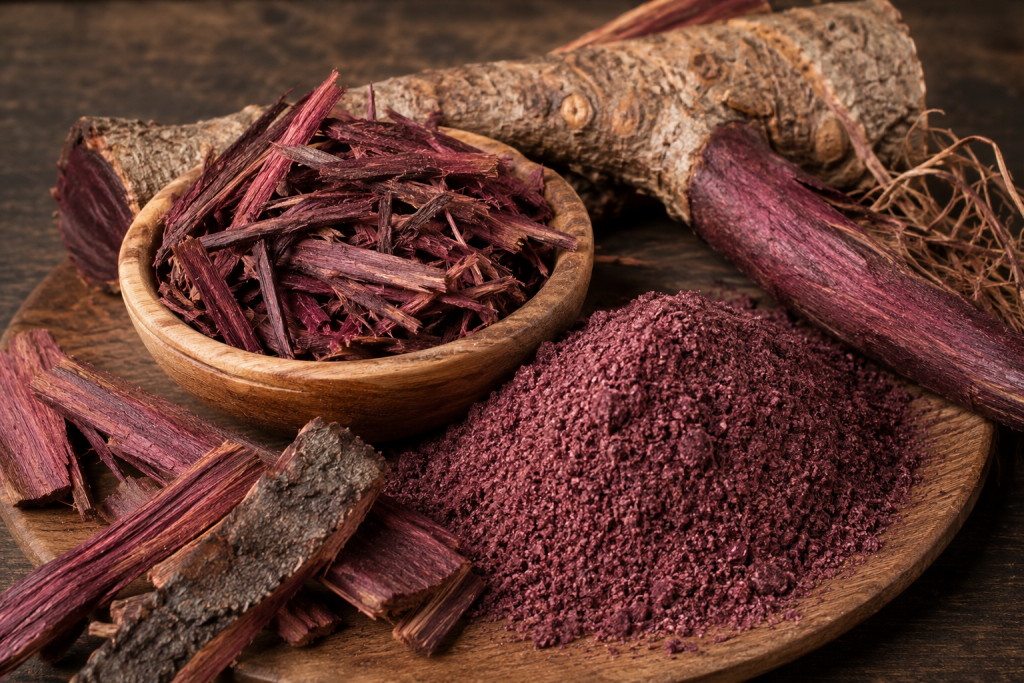
Unlike outer bark, which tends to be rougher and lighter in appearance, inner root bark is often recognized for:
- Rich reddish-purple coloration
- More consistent texture
- Cleaner appearance
- Reduced woody material
Because of these differences, many buyers specifically seek mimosa tenuiflora inner root bark when comparing products online.
This is especially true for people who value consistency and repeatable results.
Why Inner Root Bark Matters
When people search for mimosa tenuiflora inner root bark, they are often trying to understand one question:
Does quality really matter?
The short answer is yes.
Higher-quality inner root bark generally provides:
- Better consistency between batches
- More uniform texture
- Cleaner material
- Richer coloration
Material containing larger amounts of outer bark may appear lighter, more woody, or less consistent.
This is why sourcing and processing standards matter so much.
How Inner Root Bark Looks Different
One of the easiest ways to identify mimosa tenuiflora inner root bark is through visual appearance.
High-quality inner bark often displays:
Rich Coloration
Many buyers look for:
- Deep reddish-brown tones
- Purple-toned coloration
- Consistent color across batches
If you want a deeper explanation of how color relates to quality, you can read more here:
What Color Should High Quality Mimosa Tenuiflora Root Bark Be
Consistent Texture
Inner root bark tends to appear:
- More uniform
- Cleaner in texture
- Less woody
While natural variation is completely normal, overall consistency often reflects stronger sourcing standards.
Why Color Alone Is Not Enough
Although color is an important clue, it should never be the only thing buyers evaluate.
When comparing mimosa tenuiflora inner root bark, it is important to also consider:
Consistency Across Photos
Reliable suppliers usually show:
- Multiple product images
- Close-up detail
- Consistent coloration
Processing Quality
Different formats naturally appear different.
For example:
Powder
Powder often appears:
- Darker
- More uniform
- More concentrated in appearance
This happens because fine particles reflect light differently.
For repeat buyers looking for consistent texture and quantity, larger options are often preferred. You can explore one option here:
Shredded Bark
Shredded bark often shows:
- More visible fibers
- Slightly more color variation
- Natural texture differences
This is completely normal and does not necessarily indicate lower quality.
Why Sourcing Matters More Than People Realize
The quality of mimosa tenuiflora inner root bark begins long before it reaches a product page.
Sourcing influences:
- Consistency
- Appearance
- Texture
- Processing quality
Reliable sourcing generally produces more predictable material over time.
This becomes especially important for repeat buyers who want consistency between orders.
If you want a more complete overview of sourcing, quality, and natural uses, you can read our full guide here:
The Ultimate Guide to Mimosa Hostilis Root Bark for Soap Making, Skincare & Natural Crafts
Why Repeat Buyers Often Prioritize Inner Root Bark
People who order regularly tend to become more selective over time.
Why?
Because consistency matters.
Frequent buyers often prioritize:
- Stable coloration
- Consistent texture
- Predictable quality
Over time, these details become easier to notice.
For people who regularly reorder, subscription options may also simplify inventory planning and consistency.
If you’re curious about recurring delivery options, you can learn more here:
Are There Any Subscription Services for Mimosa Hostilis Root Bark?
How to Identify Lower Quality Material
While natural variation is normal, there are some things buyers often watch for when evaluating quality.
Excessively Pale Color
Very washed-out or pale material may suggest:
- More woody content
- Less concentrated inner bark
Heavy Inconsistency
Major differences in color or texture within the same batch can sometimes indicate inconsistent processing.
Poor Image Transparency
Be cautious of suppliers that:
- Show only one image
- Use overly edited photos
- Avoid close-up detail
Transparency matters.
How to Compare Suppliers More Confidently
If you are researching mimosa tenuiflora inner root bark, asking the right questions can help.
Consider:
Do Product Photos Look Consistent?
Consistency across images often signals better quality control.
Is Texture Clearly Visible?
Detailed product images help buyers better evaluate what they are purchasing.
Are Multiple Sizes Available?
Reliable suppliers often provide flexible sizing options for different needs.
You can explore commonly selected products here:
Common Misconceptions About Inner Root Bark
“Darker Always Means Better”
Not necessarily.
Consistency matters more than chasing the darkest possible appearance.
“All Bark Is Basically the Same”
Differences in sourcing and processing can create noticeable variation between products.
“Shredded Means Lower Quality”
No.
Texture choice is often about preference and workflow rather than quality.
Frequently Asked Questions
What is mimosa tenuiflora inner root bark
Mimosa tenuiflora inner root bark refers to the inner layer of the bark, which is often recognized for richer color, more consistency, and reduced woody material.
Why do buyers prefer inner root bark
Many buyers prefer inner root bark because it tends to offer more consistent texture and coloration.
What color should high-quality inner root bark be
High-quality bark often displays rich reddish-brown or purple-toned coloration, though natural variation is expected.
Does powder look different from shredded bark
Yes. Powder typically appears darker and more uniform, while shredded bark naturally shows more visible fibers and variation.
How can I learn more before buying
You can explore more common questions here:
Mimosa Hostilis Root Bark FAQs
External Insight
For broader educational information about plant structure and bark variation, resources from Missouri Botanical Garden Plant Finder and Botanical Society of America provide useful insight into plant anatomy and natural botanical variation.
Final Thoughts
Understanding mimosa tenuiflora inner root bark helps buyers make more informed decisions about quality, sourcing, and consistency.
While appearance alone is not everything, rich coloration, consistent texture, and transparent sourcing practices often signal higher-quality material.
Whether you are new to mimosa tenuiflora or a repeat buyer, understanding what to look for can help you purchase with more confidence over time.