As demand for botanical materials continues to grow, one question comes up more than almost any other:
What is the legal status of mimosa hostilis root bark around the world?
Understanding mimosa hostilis root bark legality is essential before purchasing, especially if you’re considering international orders or sourcing from outside your region.
While Mimosa hostilis (also known as Mimosa tenuiflora) is a naturally occurring plant with a long history of traditional use, its legal status is not always straightforward. Regulations can vary depending on the country, how the material is classified, and how it is imported.
In this guide, we’ll break down mimosa hostilis root bark legality in the United States, explore how it’s treated globally, and discuss the risks involved with importing plant materials into different regions.
What Is Mimosa Hostilis?
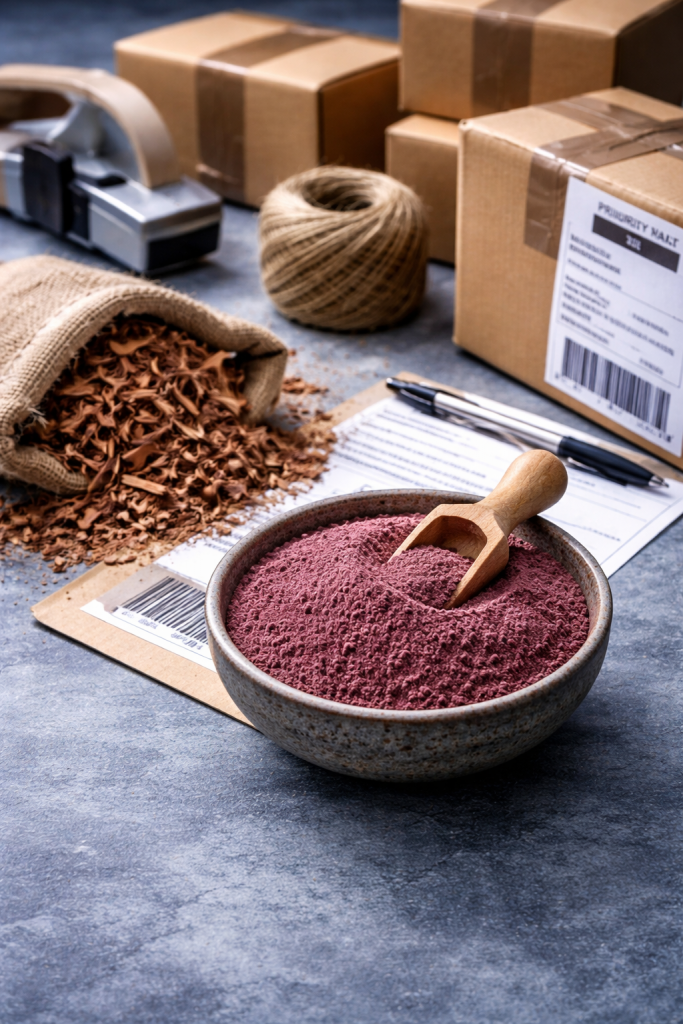
Mimosa hostilis, or Mimosa tenuiflora, is a tree native to parts of Mexico, Central America, and South America. It has been used traditionally in natural dyeing, skincare, and botanical applications.
Today, it is commonly used in:
- natural dyeing processes
- soap making and skincare formulations
- botanical research and plant-based products
Because it is a raw botanical material, its legal classification differs significantly from synthetic or processed substances.
For a deeper botanical overview, you can reference:
https://www.missouribotanicalgarden.org/PlantFinder/PlantFinderDetails.aspx?taxonid=285221
Mimosa Hostilis Root Bark Legality in the United States
In the United States, mimosa hostilis root bark legality falls into a somewhat unique category.
The plant material itself is generally not listed as a controlled substance under federal law. This means it is commonly:
- bought and sold as a botanical product
- used for natural dyeing and skincare
- available through various suppliers
However, legality in the U.S. is often context-dependent.
Certain naturally occurring compounds associated with the plant are regulated separately, which can influence how the material is interpreted by authorities in specific situations.
Additionally, regulatory oversight may involve:
- customs inspections
- shipment reviews
- documentation requirements
This makes it important to understand not just domestic legality, but also how materials are handled during transport and import.
Why Mimosa Hostilis Root Bark Legality Varies Globally
The reason mimosa hostilis root bark legality varies between countries comes down to how governments classify plant materials.
Different regions base their regulations on:
- agricultural import laws
- plant protection regulations
- chemical control frameworks
- enforcement practices
In many cases, the plant itself is not directly restricted — but related regulatory frameworks can still affect how it is imported or sold.
For example, international conventions often regulate certain compounds, while leaving plant materials in a separate category.
For a broader overview of international plant and trade regulations, you can explore:
https://www.fao.org/plant-health/en/
Importing Mimosa Hostilis Root Bark Into the United States
Even when mimosa hostilis root bark legality allows for domestic use, importing introduces additional layers of complexity.
When ordering from another country, shipments may be:
- reviewed by customs
- held for inspection
- delayed for documentation verification
In some cases, shipments may not pass inspection if:
- labeling is unclear
- declarations are incomplete
- the material is misclassified
This does not necessarily indicate illegality — but it does highlight the importance of proper shipping practices.
For many buyers, sourcing domestically helps reduce these variables.
For example, you can explore available options here:
http://tenuiflorashop.com/shop-2/mhrb-powder/mhrb-powder-1kg/
Countries With Stricter Import Environments
Some countries take a more cautious approach to plant materials.
In these regions, importing Mimosa hostilis root bark may involve:
- additional documentation
- higher inspection rates
- longer processing times
Certain countries apply stricter agricultural or customs regulations, which can lead to:
- shipment delays
- returns to sender
- refusal of entry
These policies are often based on broader concerns such as:
- biosecurity
- invasive species control
- regulatory classification systems
Regions With More Flexible Approaches
In contrast, other regions treat Mimosa hostilis root bark more like a standard botanical product.
In these areas, it may be:
- more widely available
- easier to purchase
- less restricted in trade
However, even in more flexible environments, import procedures still apply.
Understanding local rules is always important.
Risks Involved With International Shipping
If you’re considering ordering internationally, understanding the risks tied to mimosa hostilis root bark legality is essential.
1. Customs Delays
Shipments may be delayed if:
- documentation is incomplete
- labeling is unclear
- additional verification is required
2. Shipment Rejection or Return
In some cases, packages may not clear customs and could be:
- returned
- held indefinitely
3. Additional Fees
Buyers may encounter:
- import taxes
- customs duties
- brokerage charges
4. Misclassification Issues
Incorrect classification can increase the likelihood of inspection or delays.
How to Reduce Risk When Purchasing
To navigate mimosa hostilis root bark legality more safely, consider these best practices:
Choose Established Suppliers
Work with suppliers who:
- understand shipping procedures
- provide clear documentation
- maintain consistent practices
Understand Your Local Regulations
Research your country’s rules for importing plant materials.
Prefer Domestic Sourcing When Possible
Domestic purchases often reduce:
- shipping complexity
- customs risks
- unexpected delays
Start With Smaller Orders
Testing with smaller quantities allows you to evaluate:
- shipping reliability
- processing time
- overall experience
Internal Resource for Further Learning
If you want to better understand sourcing, quality, and supplier reliability, you can explore more guides here:
https://tenuiflorashop.com/blog
Common Misconceptions About Mimosa Hostilis Root Bark Legality
“If It’s a Natural Plant, It’s Always Unrestricted”
Plant materials can still be subject to import and regulatory frameworks.
“Legality Is the Same Everywhere”
Each country applies its own rules and enforcement practices.
“Importing Is the Same as Buying Locally”
International shipping introduces additional layers of regulation.
Frequently Asked Questions
Is mimosa hostilis root bark legal worldwide?
No — mimosa hostilis root bark legality varies by country and regulatory framework.
Can it be shipped internationally?
Yes, but shipments may be subject to customs review and local import laws.
Why do some shipments get delayed?
Delays often result from documentation, classification, or inspection processes.
Is domestic sourcing safer?
In many cases, yes — it reduces import-related risks.
Disclaimer
This content is for informational purposes only and does not constitute legal advice. Laws regarding mimosa hostilis root bark legality vary by country and may change over time. Always consult official government resources or qualified professionals before importing or purchasing botanical materials.
Final Thoughts
Understanding mimosa hostilis root bark legality is essential for anyone navigating the global botanical market.
While the plant itself is often treated as a natural material, international regulations, import procedures, and enforcement practices can create complexity.
By staying informed, choosing reliable suppliers, and understanding your local regulations, you can reduce risk and make more confident decisions.