Natural soap making is a beautiful way to combine creativity, plant-based ingredients, and sustainable practices. Botanical powders are a versatile addition, providing natural color, gentle exfoliation, and subtle fragrance. At The Tenifulora Shop, we explore how these plant-derived powders can elevate handmade soaps and teach valuable lessons in infusion and plant chemistry.
Understanding Botanicals in Soap Making
Botanical powders are the heart of plant-based creativity in soap making. They allow makers to explore color, texture, and therapeutic benefits while keeping the process fully natural and eco-conscious.
What Are Botanical Powders?
Botanical powders are finely ground plant materials derived from flowers, roots, leaves, or herbs. These powders bring natural pigment, scent, and nutrients directly into soap formulations without synthetic additives.
Common Types Used in Soap Making
Popular powders include turmeric for golden hues, spirulina for green tones, hibiscus for pinks, rose petal for fragrance and color, and activated charcoal for detoxifying properties. Each powder offers unique effects for both skin and aesthetics.
Why Soap Makers Prefer Botanical Powders
Soap makers love botanical powders because they are gentle, plant-based, and eco-friendly. They allow creative freedom while supporting natural and sustainable skincare practices.
How Botanical Powders Work in Natural Soap
Botanical powders not only color soap—they can also enhance texture and skin benefits. By understanding how powders interact with soap bases, makers can create safe, beautiful, and functional soaps.
Botanical Powders as Colorants
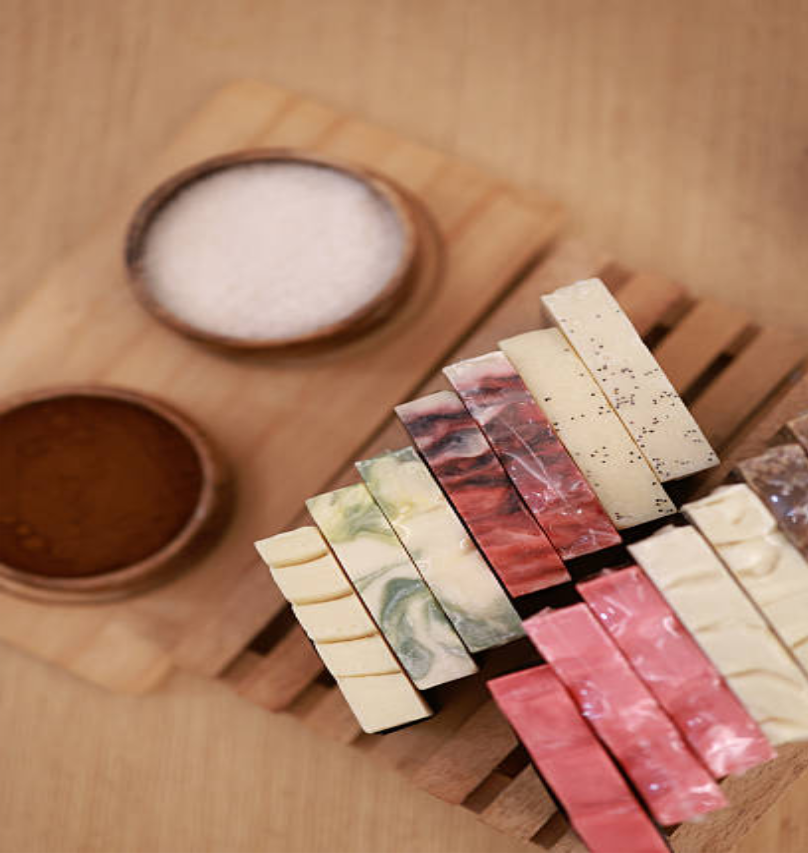
Powders naturally add vibrant hues to soap without chemicals. They can be used alone or combined to create unique shades and gradients that enhance handmade creations.
Botanical Powders as Exfoliants
Certain powders, like oatmeal, ground almonds, or lavender, gently scrub the skin, making soaps both cleansing and nourishing. The texture can be adjusted for mild or more pronounced exfoliation.
Infusion Methods for Maximum Benefit
Powders can be added directly, infused into oils, or steeped in teas before incorporation. Infusion maximizes color, scent, and beneficial compounds for more effective and long-lasting results.
Benefits of Using Botanical Powders in Soap
Botanical powders support both the maker and the user, offering natural skincare benefits while staying environmentally conscious.
Skin Care Properties
Many powders contain antioxidants, anti-inflammatory compounds, or vitamins that nourish, soothe, and protect skin, making soap more than just a cleansing tool.
Aroma and Therapeutic Effects
Beyond color, powders contribute subtle fragrances and aromatherapy benefits, elevating the sensory experience of using handmade soaps.
Eco-Friendly and Sustainable Choice
Using plant-based powders reduces reliance on synthetic dyes and additives, aligning soap making with sustainable, renewable, and biodegradable practices.
Practical Tips for Soap Makers
Working with botanical powders requires attention to quantity, texture, and compatibility with soap bases. Small adjustments can dramatically influence the final product.
Dosage and Safety Considerations
Overusing powders may affect soap texture, color stability, or skin sensitivity. Start with recommended amounts and test before larger batches.
Choosing the Right Powders for Your Soap Type
Different powders behave differently in melt & pour, cold process, or hot process soaps. Understanding these differences ensures predictable results.
Blending Multiple Powders for Color & Texture
Experimenting with combinations can create visually appealing patterns, layered effects, and enhanced exfoliation in your soaps.
Educational Context and Process Overview
Botanical powders are not just ingredients—they are learning tools. They help soap makers understand plant chemistry, infusion methods, and natural pigment behavior.
Learning Through Experimentation
Hands-on experimentation teaches how powders react with soap bases, oils, and lye, creating deeper appreciation for plant properties.
Understanding Botanical Additives in Recipes
Studying powders enhances comprehension of natural soap formulation, including their role in color, texture, and skin benefits.
Documenting Results for Consistency
Keeping notes on powders, amounts, and methods helps maintain consistency and provides valuable reference for future batches.
Key Takeaways for Soap Makers
Botanical powders are essential for those looking to combine creativity, sustainability, and plant-based education in soap making.
Why Botanical Powders Are Valuable
They offer natural color, gentle exfoliation, therapeutic benefits, and an eco-conscious alternative to synthetic additives.
Best Practices for Using Botanical Powders
Use recommended dosages, experiment with infusion methods, and observe how powders interact with different soap bases for best results.
Encouragement to Experiment and Learn
Botanical powders encourage curiosity and exploration, making natural soap making a rewarding, sustainable, and creative craft.
Conclusion
Botanical powders bring natural beauty, texture, and therapeutic benefits to handmade soaps. From gentle exfoliation to eco-friendly coloring, they allow soap makers to experiment creatively while staying sustainable. By exploring infusion methods, understanding plant properties, and documenting results, beginners and experienced makers alike can craft unique, plant-powered soaps. At The Tenifulora Shop, we encourage embracing these natural ingredients not just as additives, but to connect with the artistry and science of soap making.
Have questions about using botanical powders in soap making or want to learn more about our natural ingredients? Contact us at The Tenifulora Shop and our team will be happy to guide you!
5 FAQs
1. What are botanical powders in soap making?
Botanical powders are finely ground plant materials from roots, leaves, flowers, or herbs, used to naturally color, scent, or exfoliate handmade soaps.
2. How do botanical powders add color to soap?
They release natural pigments when mixed or infused in oils, creating gentle, eco-friendly hues without synthetic dyes.
3. Can botanical powders be used as exfoliants?
Yes. Powders like oatmeal, ground almonds, or lavender gently scrub the skin, making soaps both cleansing and nourishing.
4. What are the best methods to use botanical powders in soap?
They can be added directly, infused in oils, or steeped in herbal teas for maximum color, fragrance, and skin benefits.
5. Are botanical powders safe for all skin types?
Most are safe when used in recommended amounts, but sensitive skin may require patch testing before full use to prevent irritation.
Why Botanical Powder Quality Matters in Natural Soap Making
Not all botanical powders behave the same way in soap making. Factors like texture, consistency, color, and processing quality can all influence how a botanical powder blends into formulations and how evenly natural color disperses throughout a batch. For example, finer powders often mix more smoothly, while coarser materials may create a different texture or visual appearance depending on the intended result.
Because plant materials naturally vary, many soap makers spend time comparing consistency and sourcing before choosing botanical ingredients. If you’re curious about what separates higher-quality botanical materials from lower-grade options, our guide on Mimosa Tenuiflora Inner Root Bark explains why consistency and sourcing matter. You can also explore additional questions about handling, storage, and natural botanical materials in our Mimosa Hostilis Root Bark FAQs.
Understanding Botanical Ingredients in Soap Making
Many botanical powders are chosen for their natural color, texture, and plant-based qualities in handcrafted soap making. Educational organizations like the Royal Botanic Gardens, Kew study plant materials and botanical diversity, helping deepen understanding of how naturally sourced ingredients vary in composition and appearance across species and growing environments.
Final Thoughts
Botanical powders continue to play an important role in natural soap making, offering makers an opportunity to experiment with plant-based color, texture, and botanical ingredients in creative ways. From clays and herbs to naturally pigmented botanicals, choosing the right material often comes down to consistency, sourcing, and the goals of the final formulation.
Because every botanical behaves a little differently, understanding quality, texture, and how powders integrate into soap recipes can make a noticeable difference in the finished product. Whether you are experimenting with handcrafted soap for the first time or refining a long-term process, taking the time to learn about botanical ingredients helps create more predictable and enjoyable results.
As interest in plant-based soap making continues to grow, many makers are also becoming more intentional about the botanical materials they choose, prioritizing quality, consistency, and naturally sourced ingredients that align with their goals.