Introduction
If you’ve been researching tree bark dye, you may be surprised to learn that bark has been used in natural textile coloring for centuries.
Long before synthetic dyes existed, many cultures experimented with bark, roots, flowers, leaves, and minerals to naturally color fabrics. Tree bark dye remains popular today among textile artists, natural dye enthusiasts, soap makers, and people looking for more plant-based alternatives.
One botanical that has gained attention in recent years is mimosa tenuiflora, a tree traditionally recognized for its naturally rich pigmentation and deep coloration.
So, how does tree bark dye actually work, and why are some botanical barks preferred over others?
In this guide, we’ll break down how bark dyeing works, why mimosa tenuiflora is commonly discussed in natural dyeing communities, and what factors can influence color consistency when working with botanical materials.
What Is Tree Bark Dye
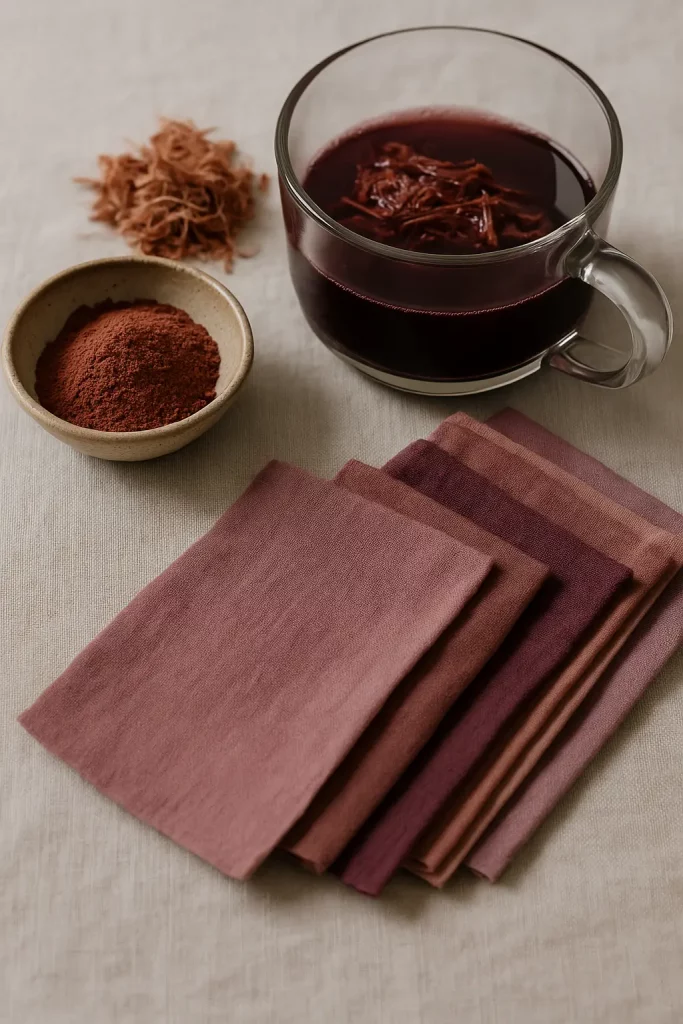
Tree bark dye refers to natural pigments derived from bark materials that are used to color textiles and fabrics.
Unlike synthetic dyes, tree bark dye relies on naturally occurring plant pigments and tannins that interact with fibers during the dyeing process.
Different bark materials can create:
- Warm earthy tones
- Browns and tans
- Reds and burgundies
- Purple undertones
- Soft muted shades
The exact color depends on several factors, including:
- Plant species
- Bark quality
- Processing method
- Fabric type
- Water conditions
- Preparation technique
Because botanical materials naturally vary, results can differ from batch to batch.
Why Tree Bark Dye Is Becoming Popular Again
Interest in tree bark dye has grown as more people move toward natural and handmade crafting methods.
Many people are looking for:
- Plant-based materials
- Natural textile projects
- Traditional crafting techniques
- Sustainable alternatives to synthetic colorants
Natural dyeing communities have expanded significantly as more people explore handcrafted textiles and botanical color experimentation.
Unlike synthetic dyes, botanical dyeing often produces softer, more organic-looking color variation.
This natural unpredictability is part of the appeal for many makers.
How Mimosa Tenuiflora Is Used in Tree Bark Dye
Among natural dye enthusiasts, mimosa tenuiflora is often discussed because of its naturally rich coloration and botanical properties.
When used in tree bark dye applications, the bark is valued for:
- Rich natural pigmentation
- Consistent coloration potential
- Fine or shredded texture options
- Plant-based versatility
Because botanical materials naturally vary, the exact result can depend on how the bark is processed and prepared.
Some makers prefer working with shredded bark, while others prefer powder depending on their preferred workflow.
Why Bark Quality Matters in Natural Dyeing
One of the most overlooked parts of working with tree bark dye is material quality.
Not all bark is processed the same way.
Factors such as sourcing, texture, and consistency can influence how evenly pigments disperse and how predictable results feel over time.
This is one reason many buyers specifically look for mimosa tenuiflora inner root bark, which is often recognized for its rich coloration and more consistent appearance.
If you want a deeper explanation of why inner root bark matters, you can read more here:
Mimosa Tenuiflora Inner Root Bark: Why Quality and Sourcing Matter
Does Powder or Shredded Bark Work Better for Dyeing
When using tree bark dye, texture preference often comes down to workflow.
Powdered Bark
Powder tends to:
- Blend quickly
- Disperse evenly
- Appear more concentrated in color
Shredded Bark
Shredded bark often provides:
- More gradual preparation
- Visible plant texture
- Greater control for some makers
Many natural dye enthusiasts prefer shredded materials for larger textile projects.
If you want to explore shredded options, you can browse here:
What Fabrics Work Best With Tree Bark Dye
Different fibers react differently to botanical materials.
Natural fibers tend to absorb botanical dyes more effectively than synthetic materials.
Common choices include:
- Cotton
- Linen
- Wool
- Silk
Synthetic fabrics may react differently or produce less predictable results.
Many textile artists experiment with multiple fibers to better understand how color behaves.
Why Color Results Can Vary
A common question people ask about tree bark dye is:
“Why doesn’t every batch look identical?”
The answer is simple:
Natural materials vary.
Several factors influence dye results:
Water Minerals
Water composition may influence tone.
Fabric Type
Natural fibers react differently.
Preparation Method
Techniques vary from maker to maker.
Bark Quality
Consistency matters.
Processing Texture
Powder and shredded materials naturally behave differently.
Because of this, slight variation is normal when working with plant-based materials.
Common Mistakes People Make With Tree Bark Dye
Expecting Synthetic Consistency
Natural dyeing rarely behaves exactly like commercial dyes.
Variation is part of the process.
Using Inconsistent Material
Lower-quality bark may affect consistency.
Skipping Research
Understanding botanical materials often improves results significantly.
You can find more common questions and educational information here:
Mimosa Hostilis Root Bark FAQs
Why More Makers Are Exploring Botanical Dyeing
Many people enjoy natural dyeing because it feels:
- Creative
- Handmade
- More connected to natural materials
The process often encourages experimentation and unique outcomes rather than perfect uniformity.
For many makers, the slight imperfections are part of what makes botanical dyeing interesting.
You can also explore commonly selected botanical materials here:
Learning More About Botanical Dye Materials
Organizations such as the Smithsonian Gardens and Fibershed provide educational information about plant-based materials, sustainable fibers, and traditional botanical practices.
Frequently Asked Questions
What is tree bark dye
Tree bark dye refers to natural pigments derived from bark materials that are used for coloring textiles and fabrics.
Can mimosa tenuiflora be used in natural dyeing
Many natural dye enthusiasts explore mimosa tenuiflora because of its rich natural pigmentation and botanical properties.
Does powder or shredded bark work better for dyeing
It depends on workflow preference. Powder disperses more quickly, while shredded bark may offer more gradual preparation.
Why does natural dye color vary
Water, fabric type, preparation method, and bark quality can all influence natural color variation.
What fabrics work best for botanical dyeing
Natural fibers such as cotton, linen, wool, and silk often respond better to botanical dyeing than synthetic materials.
Final Thoughts
Working with tree bark dye offers a creative way to explore natural, plant-based textile coloring while experimenting with the variation and uniqueness that botanical materials naturally provide.
Because every plant material behaves differently, understanding bark quality, texture, and preparation methods can make a meaningful difference in the overall dyeing experience.
Whether you are experimenting with natural textiles for the first time or refining an established process, learning how botanical materials behave helps create more informed and enjoyable results over time.