Natural dyeing has experienced a renewed interest as people look for sustainable, plant-based alternatives to synthetic pigments. Among the many botanical materials studied in this field, Mimosa Hostilis stands out for its unique properties, historical relevance, and educational value. At The Tenifulora Shop, we focus on sharing clear, grounded knowledge about botanical materials and their traditional and modern uses. This article explores what Mimosa Hostilis is used for in natural dyeing, why it matters, and how it fits into broader conversations about sustainable textile practices.
Understanding Mimosa Hostilis as a Botanical Material
Mimosa Hostilis is a resilient perennial tree from the legume family, known for its strong root system and adaptability to dry environments.
What type of tree is Mimosa Hostilis?
Mimosa Hostilis, also known botanically as Mimosa tenuiflora, is a perennial tree belonging to the legume family. It is known for its resilience, ability to thrive in dry conditions, and dense root structure. While the tree itself may appear modest above ground, its underground system is where much of its botanical interest lies.
The plant has been studied for multiple traditional uses, but within natural dye education, attention is often focused on its root bark, which contains compounds relevant to pigment formation.
Where Mimosa Hostilis naturally grows
Mimosa Hostilis is native to parts of South and Central America, particularly in regions with semi-arid climates. It thrives in nutrient-poor soils and regenerates quickly, which has contributed to its long-standing use in traditional plant knowledge systems .
Its ability to grow in challenging environments has made it a reliable plant resource across generations, especially in areas where other dye plants may not flourish.
Why the root bark is traditionally valued
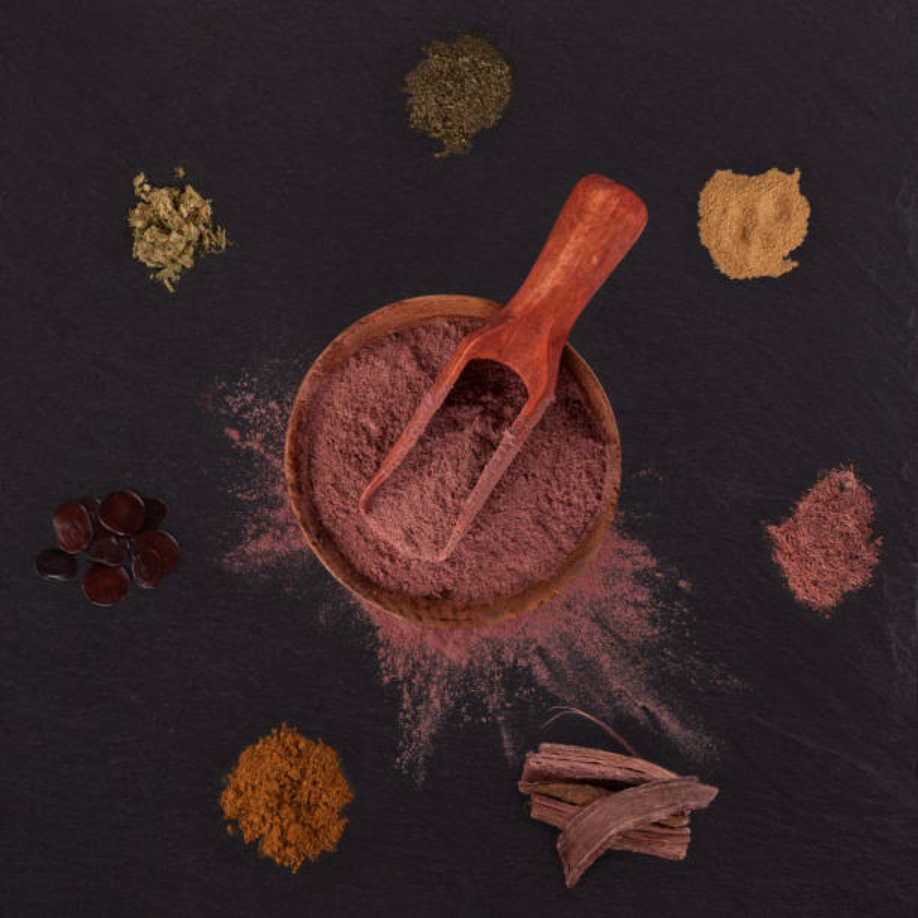
The root bark of Mimosa Hostilis has a high concentration of tannins and natural pigments. In traditional practices, bark has often been favored over leaves or flowers because it provides more stable and long-lasting color compounds. This characteristic makes the root bark especially relevant in discussions of bark-based pigments and botanical dye materials.
How Natural Dyeing Works at a Conceptual Level
A natural dye is defined by pigments sourced from plants, minerals, or insects that bond with fibers through organic chemical processes.
What defines a natural dye
Natural dyes are pigments derived from plants, minerals, or insects, rather than synthesized in laboratories. In plant-based dyeing, color is extracted from materials such as roots, bark, leaves, flowers, or seeds.
Unlike synthetic dyes, natural dyes interact with fibers through organic chemical processes, often involving tannins or mordants to help bind color to textiles.
How plant-based dyes differ from synthetic dyes
Synthetic dyes are engineered for consistency, brightness, and speed. While efficient, they often rely on petroleum-based chemicals and produce waste that can harm ecosystems .
Plant-based dyes, on the other hand, are valued for their earthy tones, variability, and lower environmental impact. Their colors reflect natural conditions such as soil, climate, and plant maturity, making each dye batch unique.
Why bark is commonly used in dye traditions
Bark has been a key dye source across cultures because it is rich in tannins. These compounds naturally bond with fibers like cotton, wool, and silk, sometimes reducing the need for additional chemical mordants. This makes bark an important material in traditional dye plants and organic dye concepts.
Why Mimosa Hostilis Is Suitable for Dyeing
Tannins are natural compounds that help pigments bind to fibers, making them essential in natural dyeing and especially relevant in bark-based dye materials.
What tannins are and why they matter in dyeing
Tannins are naturally occurring polyphenols found in many plants. In dyeing, tannins act as binding agents that help pigments adhere to fibers.
Mimosa Hostilis root bark is known for its high tannin content, which is why it is frequently referenced in tannins in natural dyes discussions and textile education resources.
How bark density influences pigment release
The dense structure of Mimosa Hostilis bark allows for a slow, steady release of pigment during the dyeing process. This density supports more controlled extraction, which is beneficial for learning environments and experimental dye studies.
Why Mimosa Hostilis produces consistent earthy tones
One of the reasons Mimosa Hostilis is studied in natural pigment sources is its ability to produce consistent brown, reddish-brown, and purple-leaning earthy tones. These colors are subtle rather than vivid, aligning well with the aesthetic goals of sustainable and eco-conscious textile design .
Historical Context of Bark-Based Dyeing
Tree bark was one of the earliest materials used to color textiles, valued for its durability, availability, and natural tannin content.
Early use of tree bark in textile coloration
Long before industrial pigments existed, communities relied on tree bark for coloring textiles. Bark-based dyes were used to produce durable colors for clothing, ceremonial fabrics, and utilitarian textiles .
Mimosa Hostilis fits into this broader history as part of a long tradition of tree bark dye properties.
Indigenous knowledge systems and dye plants
Indigenous cultures developed deep knowledge of plant chemistry through observation and experience. This included understanding which plants produced color, how long to extract them, and how to fix dyes to fibers .
These systems laid the foundation for modern plant chemistry in dyes studies.
Natural dyeing before industrial pigments
Before synthetic dyes became widespread in the 19th century, natural dyeing was the standard. Colors were softer, more variable, and deeply connected to local ecosystems. Mimosa Hostilis represents this era of localized, renewable dye materials.
Environmental Value of Natural Dye Sources
Plant-based dyes are considered eco-friendly because they come from renewable sources and generally involve fewer synthetic chemicals.
Why plant-based dyes are considered eco-friendly
Plant-based dyes are often biodegradable, renewable, and less toxic than synthetic alternatives. When responsibly sourced, they support sustainable land use and reduce chemical runoff .
Environmental concerns with synthetic dyes
Synthetic dyes are one of the leading contributors to water pollution in the textile industry. They can release heavy metals and harmful byproducts into rivers and soil, affecting both wildlife and human health ️.
Renewable plant materials in dye practices
Mimosa Hostilis is frequently discussed in renewable dye materials conversations because of its regenerative growth patterns. When managed responsibly, it demonstrates how plant resources can be studied without excessive environmental strain.
How Mimosa Hostilis Fits Modern Natural Dye Education
As interest in sustainable textiles continues to grow, natural dyeing is increasingly viewed as an educational practice. Mimosa Hostilis is often referenced to help explain renewable plant materials, traditional dye knowledge, and environmentally mindful approaches to textile learning.
Interest in sustainable textiles
As consumers become more aware of environmental impacts, interest in sustainable textiles has grown. Natural dyeing plays an important role in this shift, offering alternatives aligned with slow fashion values .
Educational use in textile studies
In academic and workshop settings, Mimosa Hostilis is often referenced as an example of botanical textile materials. Its predictable pigment behavior makes it useful for teaching dye extraction principles.
Mimosa Hostilis as a learning reference material
Rather than being promoted as a commercial dye solution, Mimosa Hostilis is frequently used as a learning reference material—helping students understand how bark-based pigments work within broader natural dye systems.
Key Takeaways for Beginners
For beginners, natural dyeing starts with understanding how plants contribute color and structure to textiles. Studying materials like Mimosa Hostilis helps introduce core concepts such as tannins, bark-based pigments, and plant–fiber interaction.
What Mimosa Hostilis is used for
In the context of natural dyeing, Mimosa Hostilis is primarily studied for its root bark, which contains tannins and pigments suitable for producing earthy, natural tones.
Why it is studied in natural dyeing
It is valued for its consistency, historical relevance, and educational usefulness in understanding how bark dyes work.
How it supports sustainable dye education
Mimosa Hostilis helps illustrate key concepts such as renewable plant materials, non-synthetic dyes, and the relationship between plants and textiles. At The Tenifulora Shop, we view it as part of a larger conversation about responsible learning, traditional knowledge, and sustainable design .
Final Thought
Natural dyeing is not just about color—it’s about connection. Connection to plants, to history, and to more thoughtful ways of creating textiles. Mimosa Hostilis serves as a meaningful reference point in this journey, helping learners and researchers explore the depth of botanical dye materials while keeping sustainability at the center .
Have questions or want to learn more about our botanical products? Contact us today and our team at The Tenifulora Shop will be happy to assist you!
Frequently Asked Questions (FAQs)
1. What is Mimosa Hostilis used for natural dyeing?
Mimosa Hostilis is primarily studied in natural dyeing for its root bark, which contains tannins and natural pigments. These compounds help demonstrate how bark-based dyes interact with textile fibers.
2. Why is root bark preferred over leaves or flowers for dyeing?
Root bark typically contains higher and more stable concentrations of tannins. This makes it more reliable for producing consistent earthy tones in natural dye studies.
3. What types of colors does Mimosa Hostilis produce in natural dyeing?
Mimosa Hostilis is known for producing earthy shades such as browns, reddish-browns, and muted purple tones. These colors are valued for their natural and understated appearance.
4. Is Mimosa Hostilis considered eco-friendly for dye education?
When discussed in an educational context, Mimosa Hostilis is often referenced as a renewable plant material. Its regenerative growth makes it useful for studying sustainable dye concepts rather than large-scale commercial use.
5. Is Mimosa Hostilis suitable for beginners in natural dyeing?
Mimosa Hostilis is generally used as a reference material in learning environments. Beginners often study it to understand tannins, bark-based pigments, and plant chemistry rather than using it as a first practical dye source.