Colors, Mordants, Fiber Results & Step-by-Step Process
If you’re exploring plant-based textiles, you may be wondering: how do you dye fabric with Mimosa Hostilis Root Bark—and what color does it actually produce?
This is your complete, start-to-finish guide to using Mimosa Hostilis Root Bark as a natural dye. We’ll cover:
- What color Mimosa Hostilis produces on fabric
- How fiber type changes the result
- Whether you need a mordant
- How to extract the dye
- pH shifts and tone variations
- Colorfastness and wash care
- Troubleshooting uneven dye
Whether you’re a beginner natural dyer or an experienced textile artist, this guide will help you achieve consistent, beautiful results.
What Is Mimosa Hostilis Root Bark?
Mimosa tenuiflora, commonly called Mimosa Hostilis, is a tannin-rich botanical traditionally valued for its deep purple-brown pigment.
As a natural tannin dye, it produces earthy tones ranging from:
- Warm brown
- Plum
- Burgundy
- Dusty rose
- Muted violet
The exact shade depends on fiber, mordant, pH, and extraction method.
What Color Does Mimosa Hostilis Produce on Fabric?
One of the most searched questions is, “What color does Mimosa Hostilis Root Bark produce on fabric?”
The answer: it varies—beautifully.
On Cotton (Cellulose Fiber)
- Soft brown
- Muted rose-brown
- Lighter dusty tones
On Silk (Protein Fiber)
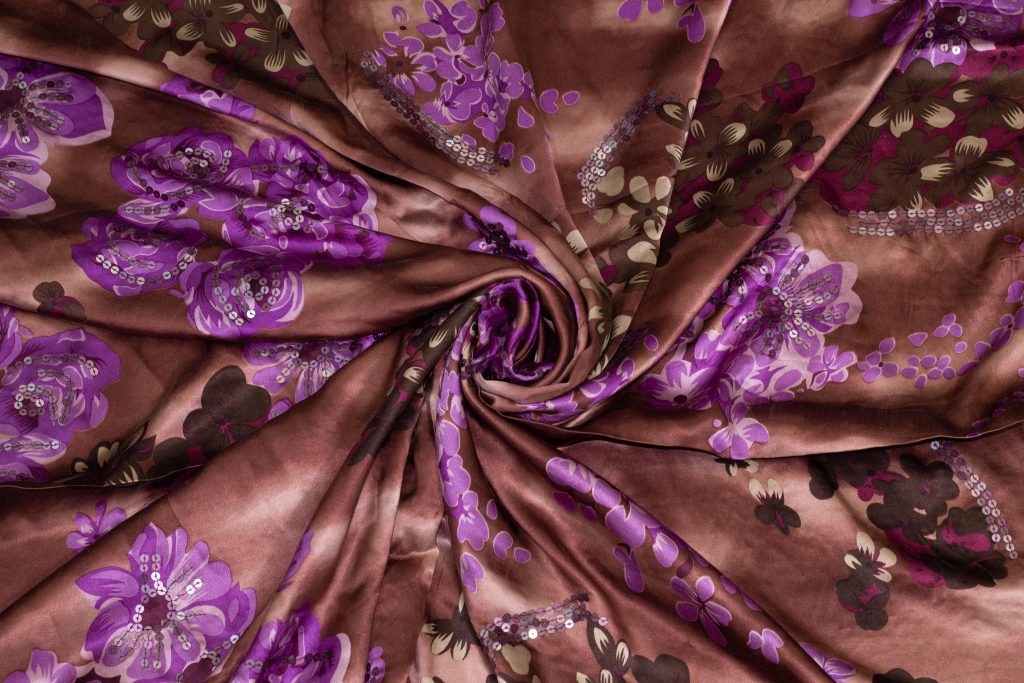
- Rich plum
- Burgundy
- Deeper purple-brown
On Wool
- Deep, earthy brown
- Violet undertones
- Stronger saturation
Protein fibers (silk, wool) generally absorb dye more intensely than cellulose fibers (cotton, linen, hemp).
Do You Need a Mordant for Mimosa Hostilis?
Because Mimosa Hostilis is naturally high in tannins, it can bind to fibers without heavy mordanting. However, mordants influence both color depth and fastness.
Alum
- Brightens tone
- Improves wash fastness
Iron
- Deepens to charcoal-brown
- Shifts purple toward smoky tones
No Mordant
- Soft, earthy browns
- Slightly lower fastness
For professional results, alum is commonly recommended.
Step-by-Step: How to Dye Fabric with Mimosa Hostilis Root Bark
Step 1: Prepare the Fabric
- Wash thoroughly to remove sizing
- Pre-mordant if desired
- Fully wet before dye bath
Step 2: Prepare the Dye Bath
- Use stainless steel or enamel pot
- Add Mimosa Hostilis Root Bark powder to water
- Simmer gently (avoid hard boiling).
- Steep 30–60 minutes
Step 3: Strain the Dye
- Filter plant matter through fine mesh
- Optional second filtration for smoother results
Step 4: Dye the Fabric
- Submerge fully
- Maintain gentle heat
- Stir occasionally for even color
- Dye 45–90 minutes
Step 5: Cool & Rinse
- Allow fabric to cool in bath
- Rinse until water runs clear
- Air dry away from direct sunlight
How Much Mimosa Hostilis Do You Need?
General dye ratios (Weight of Fiber—WOF):
- Light shade: 25–50% WOF
- Medium shade: 75–100% WOF
- Deep shade: 100–150% WOF
Higher percentages yield deeper plum and burgundy tones.
How pH Affects Mimosa Hostilis Dye Color
pH can shift tone dramatically.
| pH Level | Resulting Tone |
|---|---|
| Slightly acidic | Rich purple-brown |
| Neutral | Warm brown |
| Alkaline | Darkened, duller brown |
Adding a small amount of vinegar may enhance depth in acidic baths. Avoid strong alkaline shifts unless intentionally darkening tone.
Is Mimosa Hostilis Colorfast?
As a tannin-based natural dye:
- Moderate wash fastness
- Good bonding on protein fibers
- Some fading in strong sunlight over time
To improve fastness:
✔ Use mordant
✔ Rinse thoroughly
✔ Wash in cold water
✔ Avoid harsh detergents
Like all botanical dyes, gradual soft fading is natural and part of the aesthetic.
How to Prevent Uneven Dye or Blotching
Common causes of uneven results:
- Fabric not fully wetted
- Insufficient stirring
- Plant sediment left in bath
- Overcrowded dye pot
To prevent blotching:
✔ Wet fabric completely before dyeing
✔ Maintain even heat
✔ Stir gently but consistently
✔ Strain dye bath thoroughly
Can You Layer Mimosa Hostilis with Other Dyes?
Yes. It pairs beautifully with:
- Indigo (for deep layered violets)
- Logwood (for richer purples)
- Cochineal (for complex red tones)
Layering expands tonal possibilities for textile artists.
Is Mimosa Hostilis Good for Eco-Printing?
Yes—because of its tannin content, it works well in:
- Bundle dyeing
- Eco-print techniques
- Solar dyeing
It produces organic, earthy patterns ideal for slow fashion and sustainable design.
Frequently Asked Questions
Does Mimosa Hostilis dye fabric purple?
Yes—especially on silk and wool, it may produce plum or burgundy tones.
Does it work on synthetic fibers?
No. It bonds best to natural fibers.
Does water hardness affect the result?
Yes. Hard water may mute tone. Distilled water offers more consistency.
Final Takeaway
Dyeing fabric with Mimosa Hostilis Root Bark produces rich, earthy tones ranging from brown to burgundy, depending on the fiber and process.
It performs best on:
- Silk
- Wool
- Cotton (with mordant)
With proper extraction, filtration, and technique, Mimosa Hostilis is a versatile and visually stunning natural dye for textile artists.