Introduction
If you’ve been asking what is the difference between shredded, powder, and chunked mimosa hostilis root bark, you’re not alone.
This is one of the most common questions buyers ask before purchasing, especially when trying to decide which texture best fits their workflow or project needs.
The short answer?
The difference between shredded, powder, and chunked mimosa hostilis root bark comes down to texture, processing level, appearance, and how quickly the material works in different applications.
- Powder is finely processed and more uniform
- Shredded bark offers a balance of consistency and control
- Chunked bark consists of larger pieces for slower preparation methods
Choosing the right form depends on your goals, preferred workflow, and how much control you want over the process.
In this guide, we’ll break down the key differences between shredded, powder, and chunked mimosa hostilis root bark so you can choose the option that makes the most sense for you.
Quick Comparison: Powder vs Shredded vs Chunked Bark
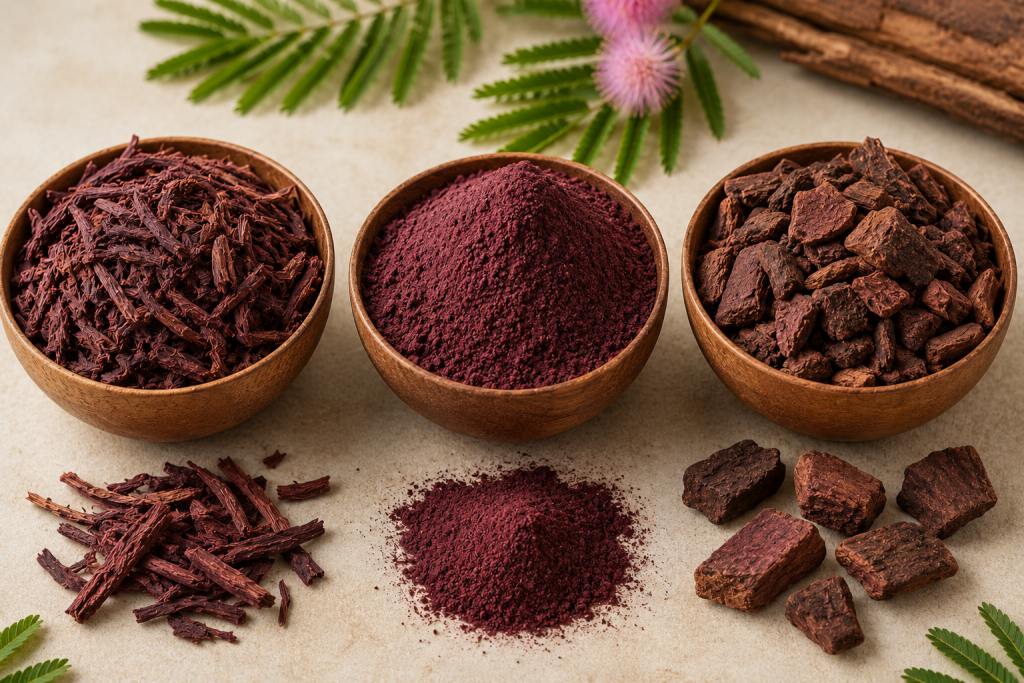
Here is a simple comparison of shredded powder and chunked mimosa hostilis root bark:
| Type | Texture | Appearance | Processing Level | Best For |
|---|---|---|---|---|
| Powder | Fine | Dark, uniform | High | Fast, consistent use |
| Shredded | Fibrous | Natural variation | Medium | Controlled flexibility |
| Chunked | Larger pieces | Raw, rustic | Minimal | Slower preparation |
Each option has advantages depending on what you are trying to accomplish.
What Is Powdered Mimosa Hostilis Root Bark
Powdered bark is the most finely processed form.
It has a soft, consistent texture and tends to appear darker due to the way fine particles reflect light.
Why People Choose Powder
Powder is often preferred because it offers:
- Uniform consistency
- Faster preparation
- More even distribution
- Greater convenience for repeat workflows
Because the bark is finely processed, it tends to integrate more quickly and evenly compared to other forms.
Powder also tends to have a richer visual appearance because the fine texture creates a more concentrated look.
If you want to explore powdered options, you can browse available products here:
MHRB Powder Collection
What Powder Looks Like
Powder typically appears:
- Deep reddish-brown
- Purple-toned
- Fine and uniform in texture
The darker appearance is normal and often reflects how tightly concentrated the particles are.
Who Powder Is Best For
Powder is often a strong option for people who:
- Want consistency across batches
- Prefer efficiency
- Need repeatable results
- Work regularly with botanical materials
What Is Shredded Mimosa Hostilis Root Bark
Shredded bark sits in the middle between powder and chunks.
Rather than being finely processed, it consists of thin fibrous pieces that retain more of the bark’s natural structure.
Why People Choose Shredded Bark
Shredded bark offers:
- More control over preparation speed
- Greater flexibility
- Easier handling than powder for some users
- A balance between convenience and minimal processing
Many people prefer shredded bark because it feels closer to the natural material while still being easy to work with.
If you want to explore shredded options, you can browse available products here:
MHRB Shredded Collection
What Shredded Bark Looks Like
Shredded bark often appears:
- Fibrous
- Slightly lighter than powder
- Naturally varied in tone
Unlike powder, shredded bark shows more visible variation because fibers catch light differently.
This variation is completely normal.
Who Shredded Bark Is Best For
Shredded bark is often preferred by people who:
- Want more flexibility
- Prefer gradual preparation
- Like working with less processed material
- Want a balance between speed and control
If you are still comparing powder and shredded bark, you can read a more detailed comparison here:
Powder or Shredded Mimosa Tenuiflora?
What Is Chunked Mimosa Hostilis Root Bark
Chunked bark is the least processed option.
Instead of fine particles or shredded fibers, chunked bark consists of larger pieces that retain much more of the bark’s original structure.
Why People Choose Chunked Bark
Chunked bark is often chosen for:
- Slower preparation methods
- Greater process control
- Minimal processing preference
- Bulk handling workflows
Because the pieces are larger, chunked bark generally takes longer to break down compared to powder or shredded bark.
What Chunked Bark Looks Like
Chunked bark typically appears:
- Rustic and natural
- Less uniform in shape
- Rich reddish to earthy brown tones
Because chunks maintain their natural form, visual variation tends to be more noticeable.
Who Chunked Bark Is Best For
Chunked bark is often a good fit for people who:
- Prefer minimal processing
- Want slower preparation methods
- Like more control over the process
- Purchase larger quantities regularly
How Processing Changes Appearance
One reason people compare shredded powder and chunked mimosa hostilis root bark is because each form looks very different.
Powder
Appears darker because:
- Light reflects differently on fine particles
- Texture looks denser
Shredded
Appears more varied because:
- Fibers catch light differently
- Natural texture is more visible
Chunks
Appear more rustic because:
- The bark retains natural structure
- Surface variation becomes more noticeable
Understanding these visual differences helps prevent confusion when comparing photos online.
Which Form Should You Buy
If you’re wondering:
What is the difference between shredded, powder, and chunked mimosa hostilis root bark, and which one should I actually choose?
Here’s the easiest breakdown.
Choose Powder If You Want:
- Consistency
- Speed
- Uniform texture
- Repeatable workflows
Choose Shredded If You Want:
- Flexibility
- More control
- Balanced processing
Choose Chunked If You Want:
- Minimal processing
- Slower preparation
- Larger, natural pieces
If you want to compare multiple formats side by side, you can browse available products here:
Shop All Products
Why Quality Still Matters More Than Texture
No matter which form you choose, quality matters.
High-quality material generally offers:
- Richer coloration
- Better consistency
- Cleaner appearance
- More reliable results
Even the best texture choice cannot compensate for inconsistent material.
If you want a deeper understanding of sourcing and quality, you can explore the full guide here:
The Ultimate Guide to Mimosa Hostilis Root Bark for Soap Making, Skincare & Natural Crafts
Best Sellers for First-Time Buyers
If you are still unsure which form makes the most sense, starting with popular options can help narrow down the decision.
You can explore commonly chosen products here:
Best Sellers
Frequently Asked Questions
What is the difference between shredded, powder, and chunked mimosa hostilis root bark
The main difference comes down to texture and processing. Powder is finely processed, shredded bark is fibrous, and chunks retain larger natural pieces.
Is powdered bark better than shredded bark
Not necessarily. Powder is often chosen for speed and consistency, while shredded bark offers more flexibility and control.
Why does powdered bark look darker
Powder appears darker because the fine texture creates a denser, more concentrated visual appearance.
Do chunks take longer to work with
Yes, chunked bark generally requires slower preparation due to the larger size of the material.
Which form is best for beginners
Many first-time buyers choose shredded bark because it offers a balance between convenience and flexibility.
External Insight
For broader information about plant structure, bark variation, and natural botanical materials, educational resources from Lady Bird Johnson Wildflower Center and United States Botanic Garden provide helpful context on how plant materials naturally vary in appearance and texture.
Final Thoughts
Understanding the difference between shredded, powder, and chunked mimosa hostilis root bark makes it easier to choose the option that best fits your workflow and preferences.
Powder offers speed and consistency, shredded bark provides flexibility, and chunked bark gives you a more natural, minimally processed option.
The right choice ultimately depends on how you prefer to work and what level of control or convenience matters most to you.