Mimosa tenuiflora is a tree native to regions of Mexico and parts of Central and South America. The plant has attracted growing interest in recent years because of the unique properties of its inner root bark. Known by several names—including mimosa hostilis and jurema preta—the tree has long been recognized for the distinctive characteristics of its bark.
The inner root bark of mimosa tenuiflora contains natural pigments, plant tannins, and fibrous compounds that make it an interesting material for a wide range of botanical and artisan applications. Because of these characteristics, mimosa root bark has become increasingly popular among natural dye artists, soap makers, and people who enjoy working with plant-derived materials.
Explore a broader understanding of the different mimosa tenuiflora uses and why this plant continues to attract attention among artisans and botanical enthusiasts around the world.
Natural Dye Applications
One of the most widely recognized uses of mimosa tenuiflora root bark is as a natural dye material.
The inner root bark contains pigments that produce deep reddish and purple tones when processed. These natural colors have made mimosa root bark particularly appealing to textile artists and craftspeople who explore plant-based dyes.
Natural dyeing has seen renewed interest in recent years as more people experiment with traditional dye techniques using botanical ingredients. Many artisans are drawn to plants that produce distinctive colors, and mimosa root bark stands out because of its rich natural pigmentation.
Depending on the fabric and dye process used, mimosa bark can produce a variety of earthy tones ranging from warm reddish browns to deeper burgundy shades. These variations are part of what makes botanical dyeing so appealing, since each batch reflects the unique characteristics of the plant material.
Because the bark contains natural tannins, some artisans experiment with mimosa root bark when exploring plant-based dye processes on fibers such as cotton, wool, or silk.
Soap Making and Botanical Crafting
Another common use for mimosa tenuiflora root bark is in botanical crafting and soap making.
Many artisans enjoy incorporating plant materials into handmade soaps and craft projects. Because mimosa root bark contains natural pigments and plant fibers, it can add both visual character and texture to certain formulations.
Powdered mimosa root bark is often preferred in projects where a smoother texture is desired. When finely milled, the powder disperses easily and blends more evenly into mixtures.
Some artisans also experiment with shredded bark when working with botanical materials because the fibrous strands preserve more of the plant’s natural structure.
Working with plant-based ingredients allows crafters to explore materials that originate directly from nature rather than synthetic additives.
Skincare and Cosmetic Formulation
Mimosa tenuiflora has also attracted attention in cosmetic and skincare formulation communities.
Extracts derived from the bark have been explored in a variety of botanical skincare products due to the presence of natural plant compounds and antioxidants. These compounds have led to ongoing interest among formulators who work with plant-derived ingredients.
In some botanical formulations, mimosa bark extracts are studied for their potential role in supporting skin barrier health. Because the plant contains naturally occurring tannins and flavonoids, it continues to be a subject of curiosity in the world of plant-based cosmetic formulation.
The plant’s botanical profile has even been documented in scientific plant databases such as the Kew Science Plants of the World Online resource, which catalogues plant species and their classifications.
Botanical Pigments and Natural Color
The deep color of mimosa root bark is one of the reasons it has become so recognizable among people who work with botanical materials.
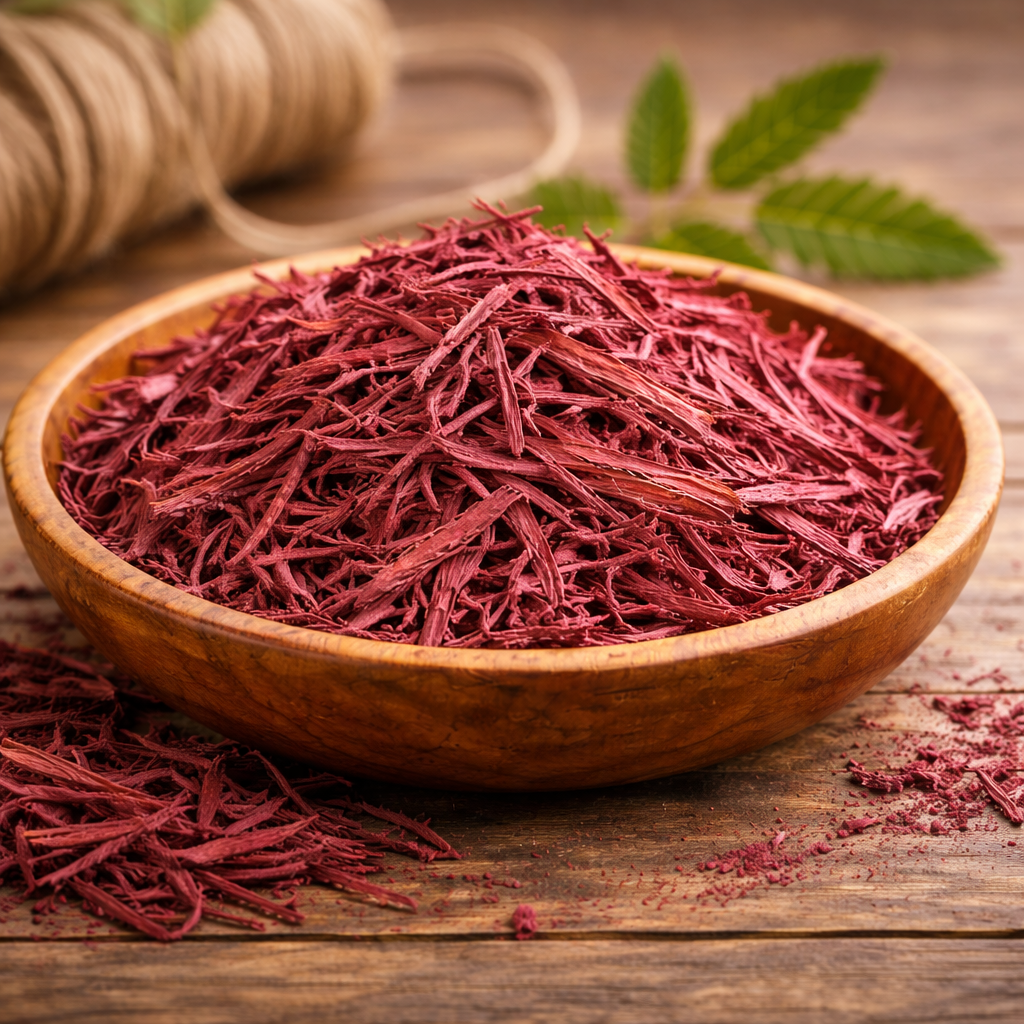
When the inner bark is dried and processed, the pigments within the bark become more visible. These pigments create the reddish-purple coloration that many people associate with high-quality mimosa bark.
Natural plant pigments are fascinating because they often behave differently depending on how they are processed. Factors such as pH levels, temperature, and the material being dyed can all influence the final color produced.
Because of these natural variations, plant-derived dyes often produce subtle differences from one batch to another, giving each project a unique character.
Why Mimosa Tenuiflora Has Become Popular
Interest in mimosa tenuiflora has grown significantly over the past decade. As more people explore botanical materials for crafts, natural dyeing, and cosmetic experimentation, plants with distinctive characteristics have naturally drawn attention.
Mimosa root bark stands out for several reasons:
• its rich natural coloration
• the fibrous structure of the bark
• its long history in regions where the tree grows naturally
• its versatility across multiple craft applications
Because it can be processed into powder, shredded bark, or larger bark pieces, mimosa root bark can be adapted for different projects depending on the needs of the artisan.
These qualities have helped the plant gain recognition among people interested in working with natural materials.
The Importance of Inner Root Bark
When people refer to mimosa tenuiflora root bark, they are typically referring specifically to the inner root bark of the tree.
The inner root bark contains the highest concentration of the plant’s pigments and fibrous compounds. For this reason, it is the part of the plant most commonly harvested and processed.
After harvesting, the bark is dried and prepared into several textures depending on how it will be used.
These commonly include:
• powdered root bark
• shredded bark
• natural bark chunks
Each format originates from the same plant but provides slightly different characteristics depending on the intended use.
Choosing the Right Mimosa Root Bark Texture
When working with mimosa root bark, the texture of the bark can influence how it behaves in different projects.
Powdered bark is finely milled and offers the most consistent texture. This format is often chosen when smooth blending or even distribution is important.
Shredded bark retains thin strands of the natural bark fibers. Many people prefer this texture because it preserves the plant’s natural structure while still being relatively easy to prepare.
Chunk bark represents the least processed form of the material and consists of larger pieces of inner root bark. Some artisans prefer chunks when they plan to grind or prepare the bark themselves.
If you’re interested in exploring these different textures, you can see examples of mimosa tenuiflora root bark powder, shredded mimosa root bark, and mimosa root bark chunks within our shop.
Exploring Botanical Materials
Plants have been used as materials for crafting, dyeing, and formulation for thousands of years. Today, many artisans enjoy rediscovering botanical ingredients that offer unique visual and structural properties.
Mimosa tenuiflora root bark is one example of a plant that continues to capture interest because of its distinctive color and versatile nature.
Whether used in natural dye experiments, botanical crafting projects, or cosmetic formulation research, mimosa root bark provides an opportunity to explore the fascinating properties of plant-derived materials.
As interest in natural materials continues to grow, plants like mimosa tenuiflora will likely remain a topic of curiosity among artisans and botanical enthusiasts alike.