Mimosa Hostilis Root Bark has become a staple botanical for artisans, soap makers, and natural product creators who value plant-based ingredients with reliable performance. Known for its deep color properties and traditional uses, this versatile bark is commonly incorporated into cold process soap, natural dye projects, and handmade skincare formulations.
This guide breaks down everything you need to know about Mimosa Hostilis Root Bark for soap making and natural crafts — including how it’s used, which form works best for different projects, how to prepare it properly, and how to choose high-quality bark for consistent results.
What Is Mimosa Hostilis Root Bark?
Mimosa Hostilis, also known as Mimosa Tenuiflora, is a tree native to parts of Mexico and Central America. The inner root bark has long been valued in traditional craft and botanical practices due to its rich pigment content and tannins.
In modern applications, Mimosa Hostilis Root Bark is commonly used by soap makers, dye artists, and small-batch creators seeking plant-based materials for handmade goods. Many artisans sourcing Mimosa Tenuiflora prefer working with properly processed bark to ensure consistent results across batches.
Why Soap Makers and Artisans Use Mimosa Hostilis Root Bark
Soap makers and crafters choose Mimosa Hostilis Root Bark for several practical reasons:
- Natural color extraction suitable for soaps and dyes
- Plant tannins that contribute depth and richness
- Compatibility with oil and water infusions
- Stability in cold process soap making
When paired with the right preparation method, high-quality bark can help produce reliable, repeatable results — especially important for those selling finished products.
Best Forms of Mimosa Hostilis Root Bark for Soap Making
Choosing the correct bark size plays a major role in the outcome of your project. Different forms work better for different applications.
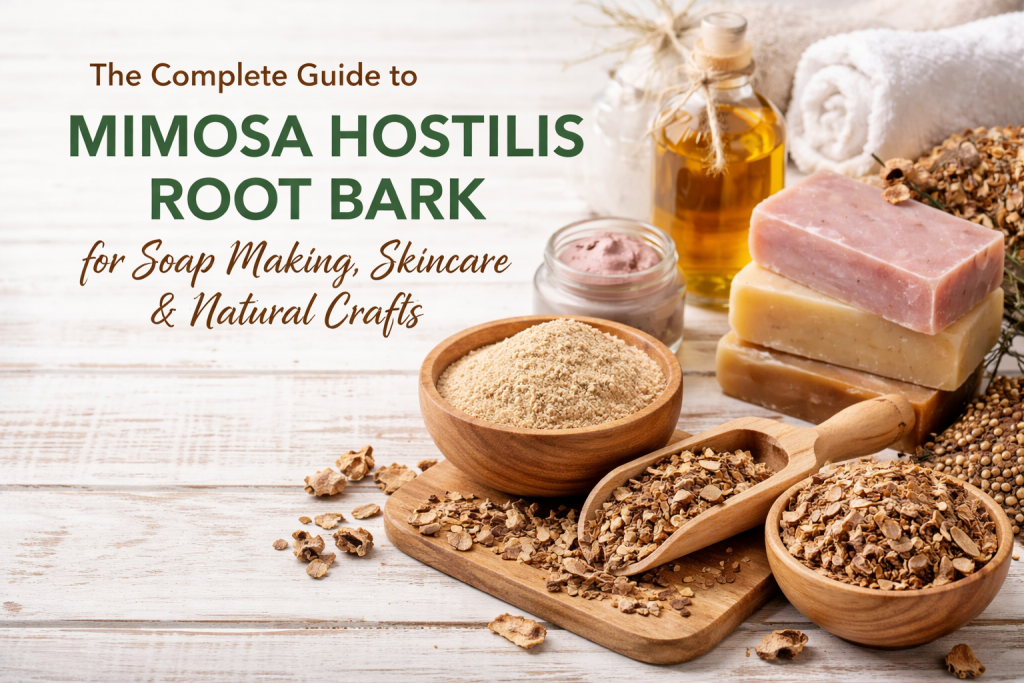
Powdered Mimosa Hostilis Root Bark
Powdered bark is ideal for:
- Faster extraction
- Smooth oil or water infusions
- Small to medium soap batches
This form is often preferred by soap makers who want even color distribution without extended straining. You can view powdered options directly on our mimosa hostilis for sale collection.
Shredded Mimosa Hostilis Root Bark
Shredded bark works best for:
- Traditional water infusions
- Medium to large batches
- Controlled extraction
It offers slower release, which many artisans prefer when experimenting with natural dyes or soap formulations.
Chunked Mimosa Hostilis Root Bark
Chunks are typically used for:
- Large dye baths
- Long infusion times
- Bulk craft projects
They require patience but are commonly chosen for larger-scale natural dye or craft work.
How to Prepare Mimosa Hostilis Root Bark for Soap Making
Preparation method matters just as much as bark quality.
Water Infusion Method
- Simmer bark gently in distilled water
- Avoid boiling to preserve color
- Strain thoroughly before use
This method is often used when replacing water in cold process soap recipes.
Oil Infusion Method
- Combine powdered or shredded bark with a carrier oil
- Infuse slowly over low heat or time
- Strain completely
Oil infusions are popular among soap makers looking for smooth color integration.
Common Mistakes Soap Makers Make
Even experienced makers can run into issues when working with Mimosa Hostilis Root Bark. Common mistakes include:
- Using the wrong bark size for the project
- Overheating infusions, which dull color
- Skipping test batches before scaling
- Expecting immediate color results without curing
Avoiding these mistakes saves time, materials, and frustration.
Using Mimosa Hostilis Root Bark for Other Natural Crafts
Beyond soap making, Mimosa Hostilis Root Bark is widely used in other artisan applications:
- Natural dyeing for textiles and fibers
- Handmade paper projects
- Botanical craft experimentation
Some soap brands, such as MyHealthySoap, incorporate botanical ingredients into thoughtfully crafted products, demonstrating how plant-based materials can be used creatively in handmade goods.
How to Choose High-Quality Mimosa Hostilis Root Bark
Quality sourcing directly affects results. When purchasing Mimosa Hostilis Root Bark, look for:
- Clean processing with minimal debris
- Strong natural coloration
- Clearly labeled sizes
- Ethical sourcing practices
Working with suppliers that specialize in bark intended for craft use helps ensure consistency. If you’re sourcing materials online, choose vendors offering transparent processing standards and multiple bark forms for different applications.
Final Thoughts
Mimosa Hostilis Root Bark remains a valuable botanical for soap makers, dye artists, and natural crafters when used correctly. Understanding the differences between bark sizes, preparation methods, and sourcing quality allows artisans to work more efficiently and achieve consistent results.
For creators building reliable processes or scaling production, selecting the right materials — and preparing them properly — makes all the difference.