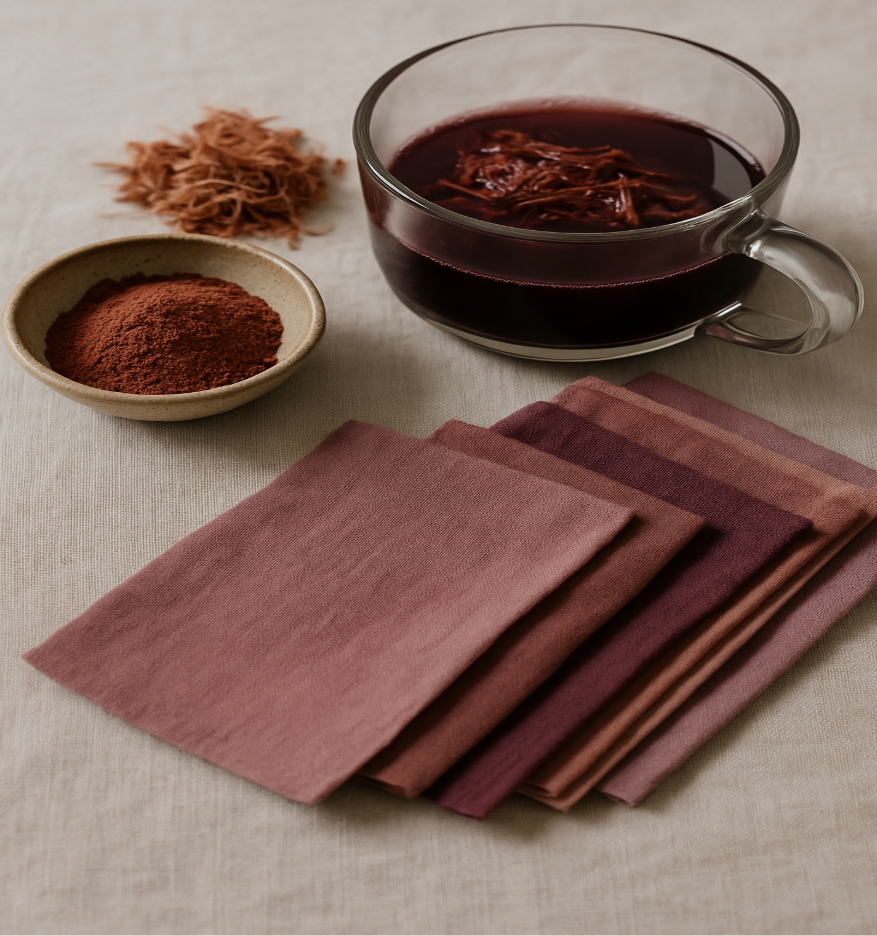
Understanding how tree bark dyes fabric opens the door to one of the oldest and most sustainable colour traditions in textile history. Long before synthetic dyes existed, artisans relied on bark, leaves, roots, and minerals to create rich, lasting colours. Among these natural sources, tree bark holds a special place due to its depth of tone, durability, and connection to the living landscape.
At The Tenifulora Shop, natural dyeing is rooted in respect for plants, process, and time. This guide explores how tree bark creates colour, the science behind natural dyeing, and why bark dyes remain valued today.
The Historical Role of Tree Bark in Dyeing
Tree bark has been used for dyeing fabrics for thousands of years across cultures. From deep browns and warm greys to muted reds and soft yellows, bark-based dyes were essential to early textile traditions.
Bark dyes were especially prized because they produced stable colours that bonded well with natural fibres such as wool, linen, and cotton. Many traditional dye practices still rely on bark today due to its reliability and environmental harmony.
Why Tree Bark Produces Colour
The colour in bark comes primarily from natural compounds stored within the tree as part of its growth and protection systems.
These compounds are released through heat and water during the dyeing process, allowing pigment to transfer from bark to fabric through natural chemical interactions.
Understanding this interaction helps explain why bark dyes age beautifully and remain colourfast over time.
Tannins in Bark Dyeing
One of the most important components in bark is tannin. Tannins in bark dyeing play a central role in colour creation and durability.
Tannins are naturally occurring polyphenols that bind easily with fibres. They act as both dye and mordant, meaning they help fix colour without the need for heavy chemical additives.
High-tannin barks such as oak, chestnut, and walnut are especially valued for their deep, earthy tones.
How Bark Is Prepared for Dyeing
Before dyeing begins, bark must be properly prepared.
Bark is typically:
- Dried naturally
- Broken into small pieces
- Simmered slowly in water
This gentle extraction process releases pigment while preserving the integrity of the dye bath. Time and patience are essential, as slow extraction produces richer, more stable colour.
The Dye Absorption Process
The dye absorption process refers to how fibres take in pigment during immersion.
Natural fibres are porous, allowing pigment molecules to enter and bond with the material. Heat, time, and fibre type all influence how deeply the colour penetrates.
Bark dyes often create layered tones rather than flat colour, giving naturally dyed fabrics their distinctive depth and variation.
Natural Pigment Bonding Explained
Natural pigment bonding occurs when plant compounds chemically attach to fibre molecules.
Unlike synthetic dyes that coat fibres, natural dyes integrate with them. This creates a more organic relationship between cloth and colour.
The result is fabric that fades gracefully, developing character rather than degrading unevenly.
Plant Dye Chemistry in Simple Terms
While the science behind plant dye chemistry can be complex, the principle is simple: heat, water, and time unlock colour stored in plant matter.
In bark dyeing:
- Heat releases pigment
- Water acts as a carrier
- Fibres form chemical bonds with plant compounds
This gentle chemistry is what makes natural dyeing both ancient and enduring.
Which Fabrics Work Best With Bark Dyes
Bark dyes work best on natural fibres.
Common options include:
- Wool
- Silk
- Cotton
- Linen
Protein fibres like wool and silk tend to absorb bark dyes more readily, producing deeper tones. Plant fibres benefit from longer soaking times or pre-treatment.
Colour Variations From Different Tree Barks
Different tree species produce distinct colours.
For example:
- Oak bark yields warm browns and greys
- Walnut bark creates rich dark browns
- Birch bark produces pale yellow tones
Even within the same species, colour can vary depending on soil, climate, and season.
Sustainability and Ethical Bark Harvesting
Responsible dyeing begins with ethical sourcing.
Sustainable bark harvesting avoids stripping live trees and instead uses naturally fallen branches, pruned material, or by-products from forestry work.
This approach aligns with the values behind natural dyeing and reflects a deep respect for ecosystems.
Why Bark Dyes Age Beautifully
One of the most distinctive qualities of bark-dyed fabric is how it changes over time.
Rather than fading abruptly, bark dyes soften and mellow. This natural evolution adds depth and individuality to each piece.
This slow transformation is part of the beauty of plant-based colour.
Using Naturally Dyed Textiles Today
Bark-dyed fabrics are increasingly valued in modern design for their authenticity and tactile quality.
They are commonly used in:
- Slow fashion
- Interior textiles
- Handmade garments
- Artisan home goods
Each piece tells a story shaped by nature and process.
You can explore naturally inspired creations through our curated collection in the shop.
The Connection Between Nature and Craft
Natural dyeing fosters a closer relationship with the natural world.
Working with bark requires observation, patience, and respect for seasonal rhythms. It encourages makers to slow down and engage deeply with materials.
This philosophy is central to the work and ethos of The Tenifulora Shop.
Caring for Bark-Dyed Fabrics
Proper care helps preserve natural colour.
Recommended practices include:
- Hand washing in cool water
- Using mild, natural detergents
- Drying away from direct sunlight
With gentle care, bark-dyed textiles can last for many years.
Why Natural Dyeing Matters Today
In a world dominated by synthetic colour, natural dyeing offers an alternative rooted in sustainability, heritage, and mindfulness.
Tree bark dyeing represents a balance between human creativity and ecological responsibility — a practice worth preserving and celebrating.
Contact The Tenifulora Shop
If you’d like to learn more about natural dyeing or have questions about our products and process, we’d love to hear from you.
Reach out via our contact page for further information or guidance.
Frequently Asked Questions
1. How does tree bark dye fabric naturally?
Tree bark releases tannins and pigments when heated in water, which bond naturally with fabric fibres.
2. Are bark dyes colourfast?
Yes, especially on natural fibres. Bark dyes tend to age gradually rather than fading quickly.
3. Do bark dyes require chemical mordants?
Many bark dyes contain natural tannins that act as mordants, reducing the need for additives.
4. What colours can tree bark produce?
Colours range from browns and greys to yellows and muted reds, depending on the tree species.
5. Is bark dyeing environmentally friendly?
When harvested responsibly, bark dyeing is one of the most sustainable dyeing methods available.