If you’re getting into natural dyeing or looking to improve your results, one of the first questions you’ll run into is:
Where can I buy natural dyeing materials online?
With the growing interest in plant-based dyes, there are now more options than ever — but not all suppliers offer the same level of quality, consistency, or reliability.
Whether you’re dyeing fabric, creating handmade goods, or experimenting with botanical color, choosing the right materials (and the right supplier) makes a significant difference.
In this guide, we’ll break down the best places to find natural dyeing materials online, what to look for in a supplier, and how to choose materials that deliver consistent results.
What Are Natural Dyeing Materials?
Natural dyeing materials are plant-based or mineral-based substances used to create color without synthetic chemicals.
These materials are typically derived from:
- roots
- bark
- leaves
- flowers
- seeds
Each material produces unique tones depending on how it’s prepared and used.
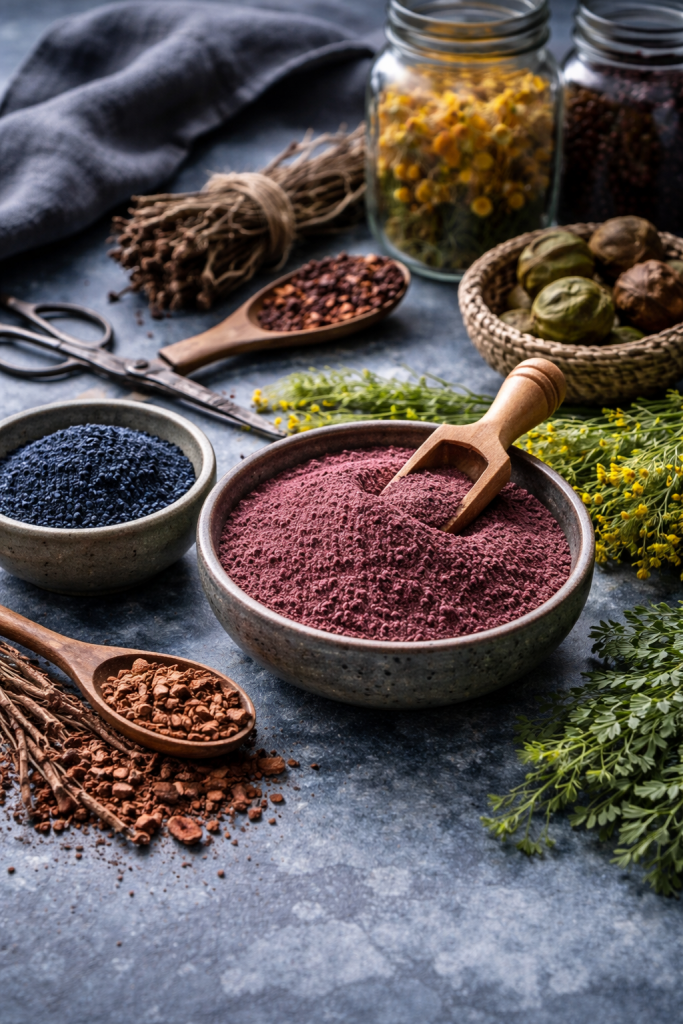
Some of the most commonly used natural dyeing materials include:
- indigo
- madder root
- cochineal
- walnut hulls
- and mimosa tenuiflora root bark
Why Natural Dyeing Has Become So Popular
Over the past few years, natural dyeing has gained popularity for several reasons:
Sustainability
Many natural dyeing materials are renewable and biodegradable, making them appealing to environmentally conscious creators.
Unique Color Variations
Unlike synthetic dyes, natural materials produce subtle variations that make each batch feel unique.
Creative Control
Natural dyeing allows for more experimentation, giving artists and makers the ability to refine their process over time.
Where to Buy Natural Dyeing Materials Online
There are several types of suppliers you’ll come across when searching for natural dyeing materials online.
Specialty Botanical Shops
These are typically the best option for high-quality materials.
They focus specifically on plant-based products and often provide:
- consistent sourcing
- better processing standards
- more reliable quality
If you’re looking for materials like mimosa tenuiflora root bark, specialty shops tend to offer more consistent results compared to general marketplaces.
Online Marketplaces
Platforms like Etsy or eBay often have a wide range of natural dyeing materials.
While this can be convenient, quality can vary significantly between sellers.
Bulk Suppliers
Bulk suppliers are ideal for:
- studios
- businesses
- repeat users
They often provide better pricing for larger quantities but may require more research to ensure quality.
Artisan Suppliers
Some independent creators sell small-batch materials with a focus on craftsmanship and sustainability.
These can be great for unique materials but may not always offer consistent availability.
What to Look for in a Supplier
Not all suppliers are equal, and choosing the right one can save you time, money, and frustration.
Consistent Quality
Look for suppliers that provide:
- uniform color
- clean material
- minimal contamination
Consistency is especially important if you plan to work on multiple batches.
Transparent Sourcing
Reliable suppliers are open about:
- where their materials come from
- how they are processed
- how they are stored
Clear Product Descriptions
A good supplier should clearly explain:
- the form of the material (powder, shredded, chunks)
- how it can be used
- what to expect
Shipping Reliability
Fast and consistent shipping is often overlooked but makes a huge difference, especially for repeat buyers.
The Tenuiflora Shop
If you’re looking for high-quality materials, you can browse our full selection of mimosa hostilis for sale, including:
• powder for easy and consistent use
• shredded bark for flexible preparation
• chunked bark for long-term storage
Choosing the right material can make a noticeable difference in your dyeing results.
Popular Natural Dyeing Materials to Try
If you’re new to natural dyeing, here are some materials worth exploring.
Indigo
One of the most well-known natural dyes, indigo produces deep blue tones.
Madder Root
Madder is commonly used for red and orange hues.
Walnut Hulls
Walnut hulls produce rich brown tones and are easy to work with.
Mimosa Tenuiflora Root Bark
This material is known for its deep reddish-purple color and versatility.
Many people searching for mhrb powder for sale are looking specifically for materials that produce strong, consistent color.
Powder vs Raw Materials
Natural dyeing materials are often available in different forms.
Powder
- easy to use
- consistent
- quick preparation
Shredded or Whole Materials
- more control
- longer shelf life
- more preparation required
How to Choose the Right Materials for Your Projects
Choosing the right materials depends on:
- your experience level
- your workflow
- your desired results
Beginners often prefer powder for convenience, while more experienced users may experiment with different textures.
Cost vs Quality
While it may be tempting to choose the cheapest option, quality often has a greater impact on results.
Higher-quality materials typically provide:
- stronger color
- more consistent results
- better overall experience
External Resources for Natural Dyeing
If you want to learn more about natural dyeing techniques, these resources can help:
- https://www.fs.usda.gov/wildflowers/ethnobotany/dyes.shtml
- https://www.textileindigodyeing.co.uk
- https://www.sciencedirect.com/topics/agricultural-and-biological-sciences/natural-dye
These sources provide additional insight into plant-based dyes and how they behave.
Common Mistakes When Buying Natural Dyeing Materials
Choosing Based on Price Alone
Lower-cost materials may not deliver the same results.
Not Researching the Supplier
Always check for consistency and reliability.
Ignoring Material Form
Different forms affect how the material performs.
Why Quality Materials Matter
The quality of your materials directly affects:
- color intensity
- consistency
- overall results
Working with better materials often leads to a smoother and more enjoyable process.
Final Thoughts
Finding natural dyeing materials online doesn’t have to be complicated — but choosing the right supplier and materials makes all the difference.
By focusing on quality, consistency, and reliability, you can improve your results and avoid common frustrations.
If you’re ready to explore your options, you can browse mimosa hostilis for sale and choose the materials that best fit your workflow.