
Introduction
If you’ve been researching botanical materials, you’ve probably asked: what is the average price of mimosa tenuiflora bark?
This is one of the most common questions buyers have before making a purchase, especially when comparing suppliers, forms, and quantities. Prices can vary significantly depending on quality, sourcing, and processing, which makes it difficult to know what’s considered fair.
In this guide, we’ll break down the typical price ranges, explain what actually affects pricing, and help you understand how to evaluate value rather than just cost.
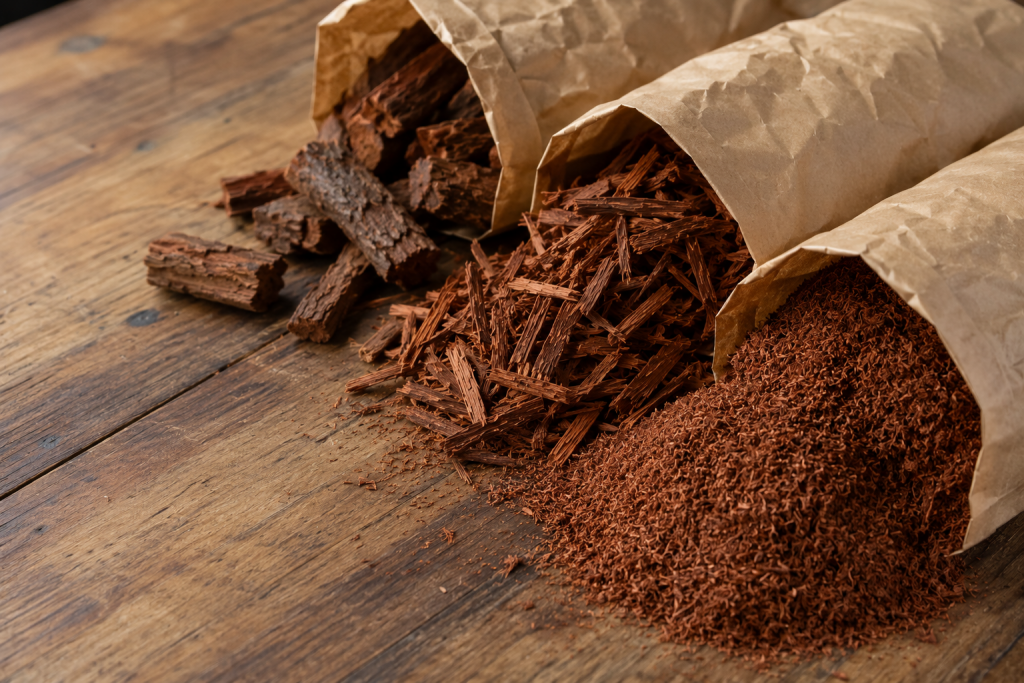
What Is the Average Price of Mimosa Tenuiflora Bark
The average price of mimosa tenuiflora bark typically ranges between:
- $100 to $180 per kilogram for chunked bark
- $130 to $220 per kilogram for shredded bark
- $180 to $300 per kilogram for powdered bark
These ranges can vary depending on supplier quality, processing methods, and order size.
At first glance, this may seem like a wide range, but each pricing tier reflects important differences in quality and usability.
Why Prices Vary So Much
The average price of mimosa tenuiflora bark is not fixed because several key factors influence cost.
1. Inner Root Bark vs Mixed Material
One of the biggest pricing factors is whether the product is true inner root bark or includes outer bark.
Inner root bark:
- Higher pigment concentration
- Better consistency
- More efficient use
Mixed or lower-grade material:
- Weaker results
- Inconsistent performance
- Lower overall value
If you want a full breakdown of this difference, you can read more here:
https://tenuiflorashop.com/mimosa-hostilis-inner-root-bark-powder/
2. Form of the Bark
The form you choose plays a major role in pricing.
- Powder is typically the most expensive due to additional processing
- Shredded bark falls in the mid-range
- Chunks are usually the most affordable but require longer extraction
Each form serves a different purpose depending on your workflow.
3. Quantity Purchased
Bulk purchasing can significantly reduce the price per kilogram.
For example:
- Smaller quantities often cost more per unit
- Larger quantities offer better pricing efficiency
If you are working consistently, bulk options can improve long-term cost-effectiveness.
4. Supplier Reliability
Reliable suppliers may charge more, but they provide:
- Consistent quality
- Stable inventory
- Predictable results
Lower-cost suppliers often lack these qualities, which can lead to wasted material and inconsistent outcomes.
Price vs Value: What Actually Matters
When evaluating the average price of mimosa tenuiflora bark, it’s important to focus on value rather than just cost.
Lower-priced material may seem appealing, but it often results in:
- Weak color output
- Uneven performance
- Increased waste
Higher-quality material typically provides:
- Stronger results per batch
- Greater consistency
- Better long-term efficiency
In many cases, spending slightly more upfront leads to better overall results and lower cost per use.
Typical Price Ranges by Form
Here is a simple breakdown of the average price of mimosa tenuiflora bark based on form:
| Form | Average Price Range |
|---|---|
| Chunks | $100–$180/kg |
| Shredded | $130–$220/kg |
| Powder | $180–$300/kg |
This table helps you quickly compare options based on your needs and budget.
How Shipping Impacts Price
Shipping is another factor that can influence the final cost.
Domestic shipping within the US typically offers:
- Faster delivery
- Lower risk of delays
- More predictable pricing
International shipping can introduce:
- Additional fees
- Longer transit times
- Increased handling risks
If you want to understand how shipping affects reliability, you can read more here:
https://tenuiflorashop.com/mimosa-hostilis-root-bark-shipping-regulations-in-the-usa/
Where to Find Consistent Pricing and Quality
When evaluating suppliers based on the average price of mimosa tenuiflora bark, it’s important to choose sources that balance:
- Fair pricing
- Consistent quality
- Transparent sourcing
Suppliers that offer multiple formats and sizes allow you to compare options and choose what fits your workflow best.
You can explore available options here:
https://tenuiflorashop.com/shop-2
How to Avoid Overpaying
Paying a higher price does not always guarantee better quality.
To avoid overpaying:
- Compare multiple suppliers
- Evaluate consistency, not just price
- Look for clear product descriptions and images
- Test smaller quantities before scaling
How to Avoid Low-Quality Bargains
On the other hand, extremely low prices are often a warning sign.
These may indicate:
- Mixed or lower-grade material
- Inconsistent processing
- Lack of quality control
Balancing price and quality is the key to making a smart purchase.
For a broader perspective on how natural materials are priced and sourced, resources from Textile Exchange provide insight into global supply chains and sustainable sourcing practices.
https://textileexchange.org/
Frequently Asked Questions
What is the average price of mimosa tenuiflora bark per kilogram
The average price typically ranges from $100 to $300 per kilogram depending on form, quality, and supplier reliability.
Why is powdered bark more expensive
Powder requires additional processing, which increases cost but provides faster extraction and more consistent results.
Is cheaper mimosa tenuiflora bark worth it
Lower-priced material often leads to weaker results and inconsistency, which can increase long-term costs.
Does buying in bulk reduce the price
Yes, larger quantities usually reduce the cost per kilogram and improve overall efficiency.
How can I tell if I’m getting a fair price
Compare price ranges across multiple suppliers and evaluate quality indicators such as color, texture, and consistency.
Final Thoughts
Understanding the average price of mimosa tenuiflora bark helps you make more informed purchasing decisions.
Prices vary based on quality, form, and supplier reliability, but focusing on value rather than just cost will always lead to better results. Choosing consistent, high-quality material ensures more efficient use and more reliable outcomes over time.