If you’re having trouble figuring out where to buy mimosa hostilis root bark for dyeing and soap making, or high-quality mimosa hostilis for sale, you’ve probably realized that not all root bark is created equal. With more suppliers entering the market, it can be difficult to know which sources are reliable and which products will actually produce the results you’re looking for.
Whether you’re dyeing fabric, experimenting with botanical pigments, or creating plant-based formulations, choosing the right Mimosa Hostilis root bark is one of the most important factors in your final outcome.
In this guide, we’ll break down exactly where to buy Mimosa Hostilis root bark for dyeing, what to look for in high-quality bark, and how to choose the right format for your project.
What Is Mimosa Hostilis Root Bark?
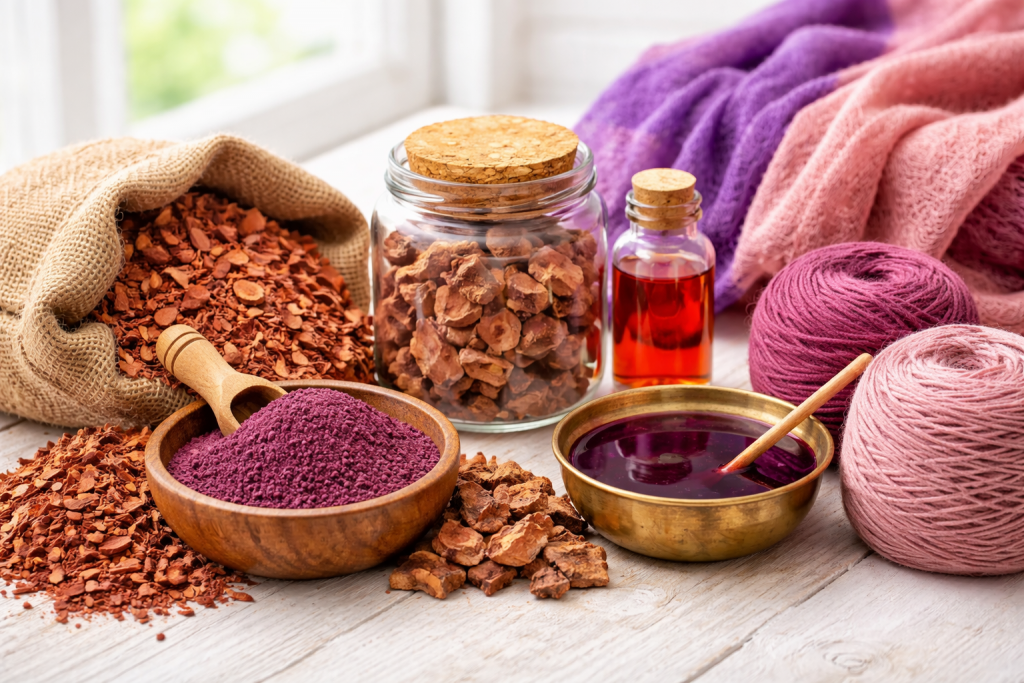
Mimosa Hostilis, also known as Mimosa Tenuiflora, is a tree native to regions of Mexico and South America. The inner root bark of this tree is known for its rich reddish-purple pigment and high tannin content, making it especially popular in natural dyeing.
When used in dye baths, the bark can produce a range of earthy tones depending on pH levels, fabric type, and preparation method.
Because it is a natural botanical material, the quality of the bark directly affects the intensity and consistency of the color.
For a deeper botanical overview of the plant itself, you can explore resources like the Royal Botanic Gardens Kew database: https://powo.science.kew.org/taxon/urn:lsid:ipni.org:names:505326-3
Why Quality Matters for Dyeing
When it comes to natural dyeing, the quality of your raw material determines everything.
High-quality Mimosa Hostilis root bark:
- produces richer, deeper color
- releases pigment more efficiently
- creates more consistent results
Lower-quality bark often results in:
- dull or uneven tones
- weaker dye baths
- inconsistent outcomes
Because of this, experienced dye artists and soap makers prioritize quality over price when searching for mimosa hostilis for sale.
Where to Buy Mimosa Hostilis Root Bark
There are many suppliers online, but they vary widely in quality, sourcing, and consistency.
When evaluating where to buy, look for:
1. Transparent Sourcing
Reliable shops clearly state where their bark comes from and how it is processed.
2. Consistent Product Quality
You want bark that looks the same across batches — not something that varies wildly.
3. Clear Texture Options
Good suppliers offer multiple formats:
- powder
- shredded
- chunks
At The Tenuiflora Shop, customers can choose between all three textures depending on their project needs. (Tenuiflora Shop)
Choosing the Right Texture for Dyeing
Not all bark textures behave the same in dyeing.
Powder
- fastest extraction
- easiest to mix
- strongest pigment release
Best for:
- quick dye baths
- consistent results
Shredded Bark
- slower extraction
- more control over process
- traditional preparation style
Best for:
- longer dye sessions
- experimentation
Chunks
- least processed
- longest shelf life
- requires preparation
Best for:
- bulk buyers
- long-term storage
What High-Quality Mimosa Hostilis Looks Like
If you want strong dye results, you need high-quality bark.
Look for:
- deep purple or reddish color
- dense inner bark
- minimal light outer bark
The inner root bark is where the pigment is concentrated — and that’s what you’re paying for.
Common Mistakes Buyers Make
Choosing Based on Price Alone
Cheap bark is often diluted with outer bark.
Ignoring Texture
Using the wrong format can ruin your process.
Not Testing Small First
Always test before committing to bulk.
Why Customers Choose The Tenuiflora Shop
At The Tenuiflora Shop, the focus is on providing high-quality Mimosa Tenuiflora root bark for dyeing, soap making, and botanical use. (Tenuiflora Shop)
Customers choose this shop because:
- consistent quality across batches
- multiple texture options
- fast U.S. shipping
- reliable supply
Reviews also highlight strong customer satisfaction and repeat buyers, reinforcing trust in product consistency and service. (Trustpilot)
Bulk vs Small Quantities
Small Sizes
- great for testing
- lower cost
- beginner-friendly
Bulk Sizes
- cheaper per kg
- better for businesses
- ensures supply
Storage Tips for Dye Quality
To preserve pigment:
- store in airtight containers
- keep in cool, dry areas
- avoid sunlight
Proper storage ensures your bark maintains its color strength over time.
Final Thoughts
Finding where to buy Mimosa Hostilis root bark for dyeing comes down to understanding quality, texture, and supplier reliability.
By choosing high-quality inner root bark and a trusted supplier, you can ensure consistent, rich results in your dyeing projects.
If you’re ready to explore your options, you can browse available textures and sizes of mimosa hostilis for sale here