Choosing the right mimosa hostilis root bark supplier can have a significant impact on your overall buying experience. While many online stores appear similar at first glance, the way suppliers source, prepare, package, and present their products often varies considerably.
For buyers, comparing suppliers isn’t simply about finding the lowest price. It’s about understanding which businesses are transparent, consistent, and committed to providing accurate information alongside quality botanical materials.
Today, nearly every supplier describes their products as “premium” or “high quality,” but those phrases don’t mean much unless they’re supported by clear information and consistent business practices. Learning how to compare suppliers objectively allows buyers to look beyond marketing language and make more informed purchasing decisions.
In this guide, we’ll explore the characteristics that distinguish a reliable mimosa hostilis root bark supplier, explain what experienced buyers evaluate before ordering, and discuss how to identify businesses that prioritize quality, transparency, and customer education.
Why Your Choice of Supplier Matters
The supplier you choose influences far more than the product itself.
Every stage—from harvesting and processing to packaging and customer service—affects the overall experience.
Two suppliers may sell similar-looking products while operating very differently behind the scenes.
Differences often include:
- Quality control standards
- Processing methods
- Packaging practices
- Product consistency
- Educational resources
- Customer support
- Shipping procedures
These factors frequently have a greater influence on customer satisfaction than small differences in price.
Rather than asking, “Who sells the cheapest product?”, experienced buyers often ask:
“Which supplier provides the most confidence before I even place an order?”
Look for Transparency Before Anything Else
Transparency is one of the easiest characteristics to evaluate because it’s visible long before you make a purchase.
Reliable suppliers generally make it easy to learn about their business by providing:
- Detailed product descriptions
- Multiple product photographs
- Clear shipping information
- Frequently asked questions
- Educational blog content
- Accessible customer support
The goal isn’t simply to answer questions after a purchase.
It’s to help customers understand exactly what they’re buying beforehand.
Businesses willing to educate their customers often demonstrate a greater long-term commitment than those relying primarily on marketing claims.
A Good Supplier Educates Instead of Simply Selling
One trend among the most established botanical retailers is a strong investment in educational content.
Rather than limiting their website to product listings, they publish resources that help customers understand:
- Product textures
- Storage recommendations
- Botanical terminology
- Buying considerations
- Quality expectations
Educational content benefits both new and experienced buyers because it creates confidence before an order is placed.
It also demonstrates that the supplier understands their products well enough to explain them in detail.
Product Quality Begins Long Before Shipping
When customers receive an order, they’re seeing the final result of a much longer process.
Quality begins well before packaging.
A dependable mimosa hostilis root bark supplier pays attention to each stage of preparation, recognizing that consistency is built over time rather than created at the end.
These stages generally include:
Harvesting
Responsible harvesting establishes the foundation for every step that follows.
Careful handling during harvest helps preserve the botanical material before additional processing begins.
Cleaning
Removing excess plant material and debris prepares the bark for drying while contributing to a cleaner, more consistent finished product.
Drying
Drying is one of the most important quality-control stages.
Reducing excess moisture helps prepare botanical materials for storage and packaging while supporting long-term consistency.
Processing
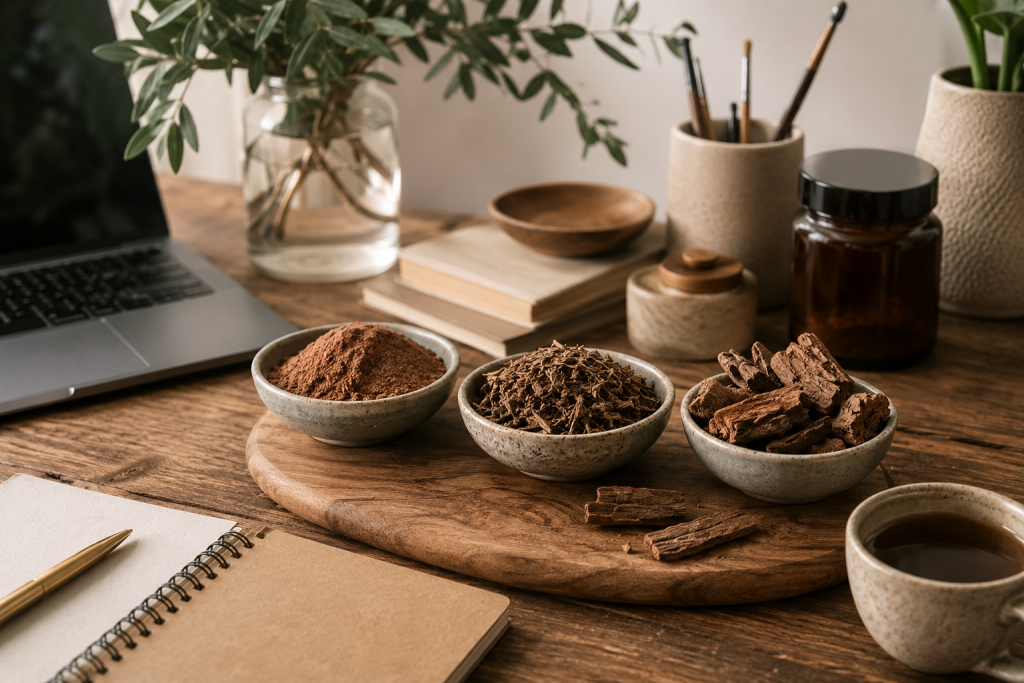
Processing transforms harvested bark into powder, shredded bark, or chunks while maintaining consistency throughout production.
Although customers don’t usually see these stages, they play an important role in the overall quality of the finished product.
Does Product Selection Matter?
A supplier offering several product options often demonstrates experience serving a broader range of customers.
Rather than offering only one texture or package size, established suppliers frequently provide multiple options to accommodate different preferences.
Common textures include:
Powder
Powder remains one of the most popular choices because of its fine, consistent texture and convenient preparation.
If you’re comparing available product sizes and textures, you can explore our complete Powder Collection here: https://tenuiflorashop.com/shop-2/mhrb-powder/
Shredded Bark
Shredded bark offers a balance between convenience and maintaining more of the bark’s natural structure.
Many repeat customers appreciate its versatility and straightforward storage.
Chunked Bark
Chunked bark is the least processed option available.
Some buyers simply prefer larger natural pieces because they retain more of their original appearance before further preparation.
No single texture is inherently better than another.
Choosing between powder, shredded bark, and chunks ultimately depends on personal preference rather than product quality.
Don’t Ignore Product Origin
One aspect that buyers sometimes overlook is where botanical materials originate.
Geographic origin can influence natural characteristics because environmental conditions, harvesting practices, and regional growing conditions are never completely identical.
Learning about sourcing doesn’t necessarily mean one origin is universally “better” than another, but understanding these differences can help buyers compare products more thoughtfully.
If you’d like to explore this topic further, our guide comparing Mexican vs. Brazilian Mimosa Hostilis explains how origin can influence consistency, appearance, and sourcing considerations.
Scientific Names Matter When Comparing Suppliers
When researching different suppliers, you’ll often notice varying terminology across websites.
Using the accepted scientific name helps ensure you’re comparing information about the same botanical species rather than relying solely on common names.
The Global Biodiversity Information Facility (GBIF) recognizes Mimosa tenuiflora as the accepted scientific name and maintains one of the world’s largest biodiversity databases. Referring to recognized botanical resources can help buyers better understand plant taxonomy while evaluating products and supplier information.
Established Suppliers Continue Supporting Customers After the Sale
One characteristic that often separates experienced suppliers from newer businesses is ongoing customer support.
Quality suppliers don’t stop communicating once an order has been placed.
Instead, they continue providing:
- Storage recommendations
- Educational articles
- Updated buying guides
- Helpful customer service
- Clear product information
Many buyers who begin researching suppliers eventually want to compare actual products, available sizes, and ordering options. If you’re ready to explore those considerations in more detail, our guide on buying Mimosa Hostilis root bark online explains what to look for when evaluating products and choosing a supplier.
Customer Service Is Part of Product Quality
Many buyers focus entirely on the product itself, but customer service is another important factor when comparing a mimosa hostilis root bark supplier.
The purchasing experience doesn’t end when an order is placed.
Questions may arise about:
- Product selection
- Shipping
- Order status
- Storage recommendations
- Product availability
A supplier that responds promptly and communicates clearly often demonstrates the same attention to detail that customers appreciate throughout the rest of the buying process.
Reliable communication also builds confidence, especially for first-time buyers researching botanical materials online.
Why Customer Reviews Matter
Customer reviews should never be viewed as the only measure of quality, but they can provide valuable insight into a supplier’s consistency over time.
Rather than focusing on one exceptionally positive or negative review, look for recurring themes.
Experienced buyers often pay attention to comments about:
- Accurate product descriptions
- Packaging quality
- Shipping reliability
- Customer service
- Overall purchasing experience
When dozens of customers consistently mention similar strengths, those patterns often provide a clearer picture than any single review.
Red Flags to Watch For
Just as there are signs of a trustworthy supplier, there are also warning signs that deserve closer attention.
While no single factor automatically makes a supplier unreliable, several together may suggest that additional research is worthwhile.
Some common red flags include:
- Extremely vague product descriptions
- Only one low-quality product photograph
- No educational content
- Missing contact information
- Unrealistic marketing claims
- Little information about products or ordering
A professional supplier should make it easy for customers to understand what they’re purchasing before asking them to complete an order.
Questions Worth Asking Before Buying
One of the simplest ways to evaluate a supplier is by asking thoughtful questions.
Reliable businesses are generally happy to explain their products and purchasing process.
Consider asking:
- What textures are available?
- How are products packaged?
- What storage recommendations do you provide?
- Do you publish educational resources?
- How can customers contact support?
- What information do you provide before ordering?
These questions often reveal more about a supplier’s professionalism than price alone.
Comparing Value Instead of Price
Price is easy to compare.
Value takes a little more thought.
When comparing suppliers, consider everything included in the purchasing experience.
For example:
| Consideration | Why It Matters |
|---|---|
| Educational resources | Helps buyers make informed decisions |
| Product information | Improves transparency |
| Product photography | Sets realistic expectations |
| Packaging | Helps protect botanical materials during shipping |
| Customer support | Creates confidence before and after purchasing |
| Product selection | Allows buyers to choose the texture that best fits their preferences |
Looking at the complete buying experience often provides a much better understanding of value than comparing prices alone.
Why Consistency Is So Important
Consistency is one of the characteristics that experienced buyers appreciate most.
While natural botanical materials will always exhibit slight variation, reliable suppliers strive for consistency in areas they can control.
These include:
- Processing standards
- Packaging
- Customer communication
- Website information
- Product photography
- Order fulfillment
Consistency creates confidence because customers know what to expect from one purchase to the next.
The Best Suppliers Continue Improving
One characteristic shared by many respected online businesses is a willingness to improve over time.
They regularly update:
- Educational articles
- Buying guides
- Product descriptions
- Frequently asked questions
- Photography
Rather than leaving their website unchanged for years, these suppliers continue refining the information they provide as they learn more about the questions customers ask most frequently.
That ongoing commitment to education often reflects a broader commitment to customer satisfaction.
Frequently Asked Questions
What should I compare when choosing a mimosa hostilis root bark supplier?
Look beyond price. Compare transparency, educational resources, customer support, packaging, product information, and overall professionalism.
Why is supplier transparency important?
Transparent suppliers provide detailed product descriptions, helpful educational content, clear policies, and accessible customer support. This allows buyers to make informed purchasing decisions before placing an order.
Do all suppliers offer the same quality?
No.
Differences in harvesting, processing, packaging, storage, and customer service can all influence the overall buying experience.
Should I compare several suppliers before purchasing?
Yes.
Taking the time to compare multiple suppliers often helps buyers better understand differences in quality standards, communication, and product selection.
Does a larger product selection matter?
Not necessarily, but suppliers offering multiple textures and package sizes often provide customers with greater flexibility when selecting the product that best fits their needs.
Why do educational articles matter?
Educational resources demonstrate that a supplier values informed customers rather than relying solely on marketing language. They also provide useful information that helps buyers better understand botanical materials before making a purchase.
Disclaimer
This article is provided for educational and informational purposes only. It is not intended to diagnose, treat, cure, or prevent any disease or provide medical, legal, or professional advice. The information presented is designed to help readers better understand how to compare botanical suppliers and make informed purchasing decisions.
Final Thoughts
Choosing the right mimosa hostilis root bark supplier involves much more than comparing prices or browsing product photos.
The most reliable suppliers distinguish themselves through transparency, consistent quality standards, educational resources, thoughtful packaging, and responsive customer support. While botanical materials naturally vary, the overall buying experience should reflect professionalism and a genuine commitment to helping customers make informed decisions.
Rather than relying on marketing claims alone, take time to evaluate how a supplier presents their products, answers common questions, and supports customers throughout the purchasing process. Businesses that invest in education, clear communication, and consistent quality often provide a stronger overall experience than those focused only on making a sale.
As you compare suppliers, remember that confidence comes from understanding the complete picture—not just the product itself. A supplier that values transparency and customer education is often one that values long-term relationships as well.