If you’ve spent any time researching mhrb powder for sale, you’ve probably noticed something confusing:
Not all Mimosa Hostilis root bark powder looks — or performs — the same.
Some batches appear deep reddish-purple and finely milled, while others look dull, inconsistent, or overly fibrous. In some cases, results vary significantly even when using the same process.
So what’s going on?
The reality is that MHRB quality can vary widely between suppliers, and understanding why is one of the most important steps you can take before making a purchase.
In this guide, we’ll break down the key factors that affect quality, why these differences exist, and how to identify material that delivers consistent results. If you’re researching mimosa hostilis root bark, quality is just one part of the equation. You may also want to explore how to choose a reliable supplier, compare different product types, and understand what to look for when buying online.
- Powder or Shredded Mimosa Tenuiflora: Which Form Is Right for You?
- How to Tell If an MHRB Supplier Is Legitimate (Before You Buy)
- Buying Authentic Mimosa Hostilis Root Bark Powder Online
What “Quality” Means for MHRB
Before diving into differences, it’s important to understand what defines high-quality Mimosa Hostilis root bark.
Generally, quality is determined by:
- color
- texture
- consistency
- purity of inner root bark
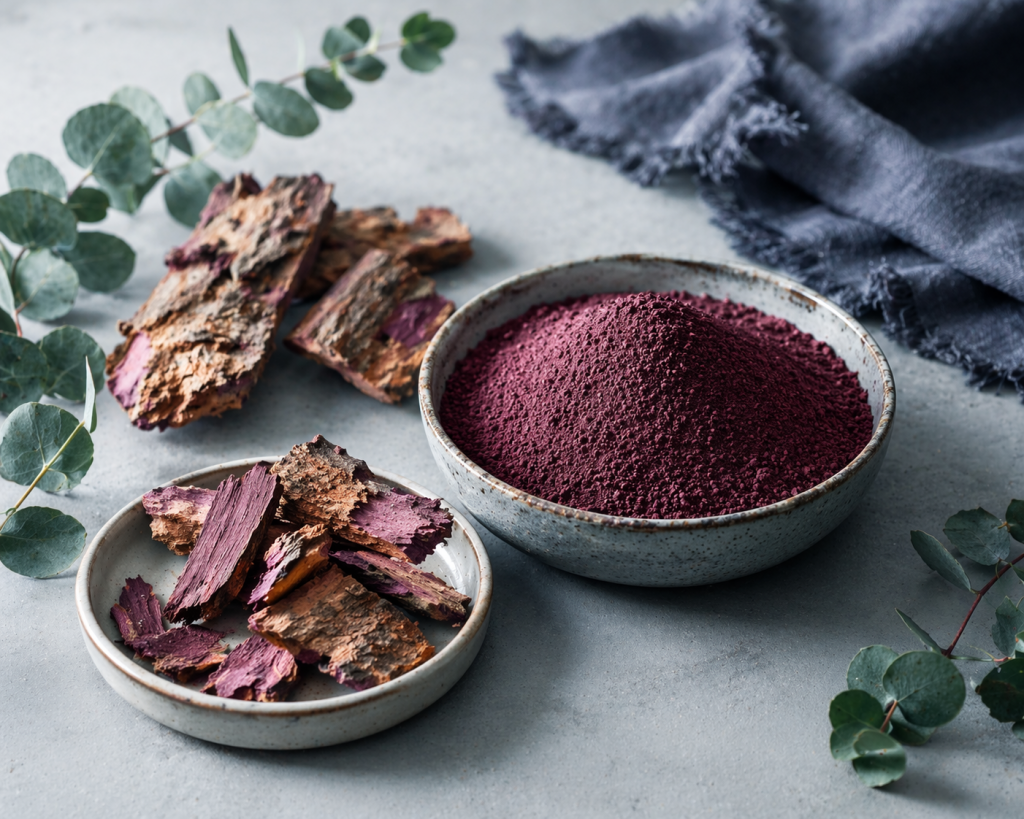
High-quality mimosa tenuiflora root bark powder typically has:
- a rich reddish-purple color
- a fine, uniform texture
- minimal contamination from outer bark
When any of these factors are off, performance can suffer.
Why MHRB Quality Varies So Much
There isn’t just one reason — quality differences come from multiple stages in the supply chain.
1. Source Location and Growing Conditions
Mimosa tenuiflora grows in specific regions, primarily in Mexico and parts of South America.
Environmental factors such as:
- soil composition
- climate
- rainfall
- harvesting conditions
…can all influence the final material.
Even when the same species is used, differences in growing conditions can lead to noticeable variation in color and potency.
2. Inner Root Bark vs Outer Bark
This is one of the biggest quality differences.
High-quality material comes from:
- inner root bark
Lower-quality material may include:
- outer bark or mixed material
Outer bark tends to be:
- lighter in color
- less consistent
- lower in overall quality
Suppliers who don’t properly separate these layers often produce inferior products.
3. Harvesting Practices
How the bark is harvested matters more than most people realize.
Careful harvesting preserves:
- the integrity of the inner bark
- the quality of the material
- consistency between batches
Poor harvesting practices can lead to:
- mixed-quality material
- contamination
- inconsistent results
4. Drying and Processing Methods
After harvesting, the bark must be properly dried and processed.
This step directly affects:
- color retention
- texture
- overall usability
Improper drying can cause:
- dull or faded color
- uneven texture
- degradation over time
5. Grinding and Texture Differences
Not all mhrb powder for sale is processed the same way.
Some suppliers produce:
- ultra-fine powder
- consistent texture
Others may offer:
- coarse or uneven grinding
- inconsistent particle sizes
This impacts how easily the material integrates into different processes.
6. Storage and Handling
Even high-quality material can degrade if stored incorrectly.
Exposure to:
- air
- moisture
- heat
- sunlight
…can lead to:
- color fading
- clumping
- reduced effectiveness
Reliable suppliers prioritize proper storage to maintain quality.
The Tenuiflora Shop
If you’re exploring mhrb powder for sale and want consistent, high-quality material, you can browse our full selection of mimosa hostilis for sale, including:
• powder for ease of use and consistency
• shredded bark for flexible preparation
• chunked bark for long-term storage
Choosing a supplier that maintains quality across every stage — from sourcing to shipping — can make a significant difference in your results.
Why These Differences Actually Matter
At first, small differences in appearance might not seem important.
But in practice, they directly impact:
Consistency Between Batches
High-quality material produces predictable results.
Lower-quality material often leads to inconsistency.
Ease of Use
Fine, well-processed powder is easier to work with.
Coarse or mixed material requires more effort.
Overall Results
Better material typically leads to:
- stronger color
- more reliable performance
- smoother workflow
Real-World Comparison
Buyers often notice differences when switching suppliers.
Higher-Quality Supplier
- consistent color
- smooth texture
- reliable results
Lower-Quality Supplier
- uneven color
- inconsistent texture
- unpredictable performance
How to Identify High-Quality MHRB
When comparing suppliers, look for:
Color
Deep reddish-purple tones are typically a strong indicator of quality.
Texture
Fine, uniform powder is ideal.
Consistency
Reliable suppliers deliver similar results across multiple orders.
Transparency
Clear information about sourcing and processing is a positive sign.
External Resources on Plant Material Quality
If you want to learn more about plant-based materials and quality factors, you can explore:
https://www.sciencedirect.com/topics/agricultural-and-biological-sciences/plant-extract
https://www.missouribotanicalgarden.org
These resources provide broader insight into how plant materials vary and why.
Common Misconceptions
“All MHRB is the same”
Not true — quality varies significantly.
“Higher price always means better quality”
While often true, price alone isn’t enough — consistency matters.
“Appearance doesn’t matter”
Visual indicators often reflect underlying quality differences.
Why Buyers Eventually Notice the Difference
Many buyers start with lower-cost options, then switch after noticing:
- inconsistent results
- weaker performance
- frustration with variability
Over time, most prioritize quality and consistency.
Frequently Asked Questions:
Why does MHRB color vary between suppliers?
MHRB quality varies due to differences in sourcing, harvesting practices, processing methods, and storage conditions. Factors like whether the material is inner root bark, how it’s dried, and how finely it’s ground all contribute to differences in color, texture, and consistency between suppliers.
Does darker mimosa hostilis root bark powder mean higher quality?
Not always, but in many cases, a rich reddish-purple color is a strong indicator of high-quality inner root bark. However, color alone isn’t enough — texture, consistency, and cleanliness of the material also play an important role in overall quality.
How can I tell if my MHRB powder is low quality?
Lower-quality MHRB powder may appear dull, brownish, or inconsistent in texture. It may also contain fibrous material or signs of outer bark. If results vary significantly between batches or the material feels coarse and uneven, it may indicate lower-quality processing or sourcing.
Is powdered MHRB higher quality than shredded or chunked bark?
Not necessarily — quality depends more on sourcing and processing than the form itself. Powdered, shredded, and chunked bark can all be high quality if they come from well-sourced inner root bark and are properly handled. The best option depends on your preferred workflow and use case.
Why do results differ when using MHRB from different suppliers?
Differences in supplier quality can lead to noticeable changes in results. Variations in plant origin, harvesting methods, and processing can all affect consistency. This is why many buyers eventually stick with one reliable supplier once they find consistent quality.
Does price reflect the quality of MHRB?
Price can be an indicator, but it isn’t always definitive. Higher-quality MHRB often costs more due to better sourcing and processing, but the most important factor is consistency. Reliable suppliers provide material that performs consistently across multiple orders.
How important is storage when it comes to MHRB quality?
Storage plays a significant role in maintaining quality. Exposure to air, moisture, heat, or sunlight can degrade the material over time. Properly stored MHRB retains its color, texture, and consistency much better than material that has been exposed to poor conditions.
Final Thoughts
MHRB quality varies between suppliers for several reasons, including sourcing, processing, and storage practices.
Understanding these differences allows you to make more informed decisions and avoid common pitfalls.
If you’re currently searching for mhrb powder for sale, focusing on quality and consistency will lead to better results and a more reliable experience overall.