If you are exploring botanical materials for natural projects, one of the most common questions you may have is about mimosa hostilis powder vs shredded and which form makes the most sense for your work. Whether you are creating plant-based color projects, experimenting with skincare formulations, or sourcing materials for soap making and artisan crafts, choosing the right texture can make a noticeable difference in how the material performs.
At The Tenuiflora Shop, the focus is on providing premium Mimosa Hostilis Root Bark for natural dyeing, skincare formulation, and small-batch soap making. Across the website, the language is clearly centered around quality, consistency, botanical care, and practical use for modern makers. That makes it a helpful foundation for understanding how this material fits into creative and formulation-based work.
Mimosa Hostilis Root Bark is valued by many makers because of its rich natural tannins, earthy color, and versatility across different project types. But not every form behaves the same way. Powder, shredded, and chunked bark all have different strengths depending on how you plan to use them. Understanding those differences can help you choose more confidently and get better results from the start.
What Is Mimosa Hostilis Root Bark?
Mimosa Hostilis, also known as Mimosa tenuiflora, is a botanical material often used by artisans and formulators interested in natural color, skincare, soap making, and plant-based craft work. On the Tenuiflora Shop website, it is described as a trusted botanical for color, care, and craft, with specific use cases in dyeing, skincare formulation, soap making, and herbal craft projects.
The shop also explains that many customers come looking for clarity, consistency, and reliable sourcing when purchasing mimosa tenuiflora materials. That matters because botanical ingredients can vary depending on harvesting, texture, processing, and intended use. A form that works beautifully in one project may not be the best fit for another.
For beginners especially one of the easiest ways to understand the material is to start by comparing how each texture behaves in practical use.
Mimosa Hostilis Powder vs Shredded: Why the Form Matters
When comparing mimosa hostilis powder vs shredded, the biggest difference comes down to texture, extraction speed, ease of blending, and how hands-on you want your process to be.
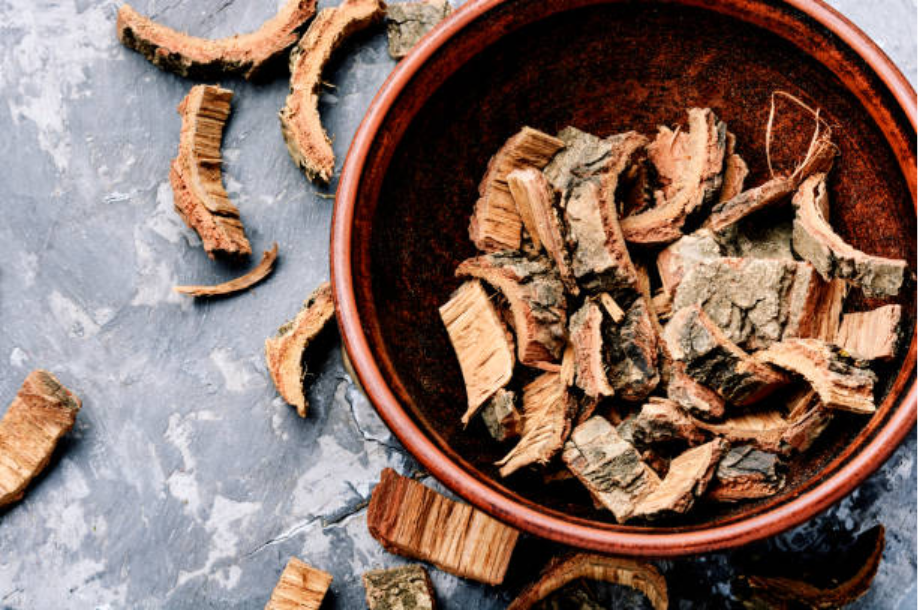
Powder is finely milled and generally easier to disperse into formulations, dye baths, masks, balms, and infusions. Shredded bark, on the other hand, is a more raw, fibrous texture that many makers prefer when they want a more traditional, whole-form material to work with.
At The Tenuiflora Shop, powdered Mimosa Hostilis is described as ideal for natural dyeing, skincare formulations, soap making, and herbal craft projects because it blends easily and offers consistent color and effortless mixing. Shredded bark is described as a premium botanical ingredient used for natural dyeing, skincare formulations, herbal preparations, and craft projects, especially valued for deep earthy color, soothing infusions, and versatile extracts.
So the choice is not really about which one is “better.” It is about which one fits your project best.
When Powder Makes the Most Sense
Powdered Mimosa Hostilis Root Bark is often the easiest option for makers who want smoother incorporation and less prep work. Because it is finely milled, it disperses more evenly and tends to be more convenient for projects where texture matters.
This can be especially useful in skincare and soap making, where a more refined consistency often leads to a more even blend. Powder is also practical for small-batch test projects because it can be measured and incorporated quickly without additional chopping or breaking down.
Best uses for powder
Powder is often a strong fit for:
- botanical masks, balms, and skincare blending
- small-batch soap making and quick natural dye experiments
For people who want a more direct and beginner-friendly material, powder is often the easiest place to start. It can feel less intimidating and more efficient, especially if you are working on small projects or want faster visual results.
When Shredded Bark Is the Better Choice
Shredded Mimosa Hostilis Root Bark appeals to makers who prefer a more natural, less processed texture. It gives you a little more flexibility in how you steep, strain, infuse, or prepare the material depending on your project.
Because shredded bark is coarser, many people like using it in infusions, craft extracts, dye baths, and projects where a whole-form plant material feels more aligned with the process. It can also be appealing to people who simply prefer working with ingredients in a more visibly natural state.
This texture may take a little more patience than powder, but many artisans enjoy that slower, more hands-on workflow. It can feel especially fitting for traditional plant-based craft methods.
Uses in Crafts and Botanical Projects
One of the biggest reasons Mimosa Hostilis Root Bark continues to appeal to makers is its versatility. It is not limited to one category of use. Instead, it can fit into several kinds of artisan and botanical work depending on how it is handled.
Across the Tenuiflora Shop website, the material is consistently positioned for color, care, and craft, which makes it clear that it is intended for a broad range of creative applications. The homepage also highlights natural dyeing, skincare formulation, and small-batch soap making as key use areas.
Popular craft uses include:
- natural dye work for fabric and botanical color experiments
- plant-based soap making, masks, balms, and artisan formulation projects
This kind of versatility is one reason why comparing mimosa hostilis powder vs shredded is so useful. The form you choose can directly affect how practical and enjoyable the material feels in your chosen craft.
Natural Dyeing and Color Work
Natural dyeing is one of the clearest uses highlighted across the Tenuiflora Shop content. The site repeatedly references Mimosa Hostilis Root Bark as a tannin-rich botanical used for deep earthy and purple-brown tones in plant-based dyeing projects. It also includes beginner-friendly guidance on quickly brewing a dye bath using powdered bark.
For dye work, both powder and shredded bark can be useful, but they offer slightly different experiences.
Powder is often more convenient when you want faster dispersion and stronger contact with water in a shorter amount of time. Shredded bark can be a good fit when you prefer a slower steeping process or want to work with a less processed material in your dye setup.
If your main interest is textile swatches, small-batch tests, or simple botanical color work, powder may feel easier to manage. If you are more process-oriented and enjoy steeping and straining your own plant material, shredded bark may feel more satisfying.
Skincare and Soap-Making Applications
Mimosa Hostilis Root Bark is also positioned on the Tenuiflora Shop website as a botanical ingredient for skincare formulation and soap making. The site describes it as being trusted by makers for gentle, effective formulations and notes its value in artisan skincare and soap projects.
In skincare content, the bark is discussed in terms of tannins, polyphenols, mild astringency, natural color, and supporting antioxidant value. It is also framed as a botanical story ingredient that can contribute artisan positioning and visual differentiation in formulas.
For skincare-style use, powder is often preferred because it blends more easily into masks, balms, and botanical formulations. Shredded bark may still be useful for infused preparations, but it is usually less convenient if you need a smoother or more uniform texture.
In soap making, either form may be workable depending on your method, but powder often offers a more seamless experience for people who want even incorporation.
Quality, Texture, and Why Sourcing Matters
With any botanical ingredient, texture is only one part of the decision. Quality matters just as much. The Tenuiflora Shop places a strong emphasis on consistency, purity, sourcing, and careful preparation, noting that each batch is prepared into forms such as powder or shredded bark depending on intended use. The website also states that orders ship from Denver, Colorado, with a focus on prompt processing, transparent communication, and consistent packaging.
The site further explains that trusted suppliers in Mexico are used and that the bark is responsibly harvested while allowing the plant to regenerate. That kind of sourcing transparency matters because botanical performance often depends on more than just whether a product is labeled “powder” or “shredded.” It also depends on how the material was harvested, processed, stored, and prepared.
This is especially relevant if you are trying to compare one supplier to another or wondering why some batches feel stronger, richer, or easier to work with than others.
Understanding Botanical Buying and Compliance
When shopping for plant materials online, many customers naturally have questions around legal mimosa hostilis, plant material legality, customs restrictions, and general buying expectations. While regulations can vary depending on location and intended use, it is always wise for buyers and sellers to stay aware of product descriptions, shipping limitations, and general compliance for botanical sellers.
From the information available on the Tenuiflora Shop website, the business presents the material as a botanical product for natural dyeing, skincare formulation, soap making, and craft applications. The site also includes a dedicated Legal Notice & Disclaimer section in its navigation and maintains a customer support and contact structure for general inquiries.
That kind of transparency is useful because botanical businesses benefit from clear product positioning, accurate descriptions, and straightforward communication. If you are ordering plant materials, it is always a good idea to review site policies, product descriptions, and shipping information before purchasing.
Shipping, Handling, and Practical Expectations
The Tenuiflora Shop notes that orders are processed in one to two business days and shipped through USPS or UPS depending on destination. The website also states that the shop does not offer next-day shipping, emphasizing careful packaging and preparation instead.
For buyers comparing powder and shredded bark, shipping and handling can also influence the experience slightly. Powder can feel easier to portion and use immediately once it arrives, while shredded bark may require a bit more setup depending on your project.
If you are ordering for time-sensitive creative work, it helps to choose the form that best matches how quickly you want to start and how much prep you are comfortable with.
Which Form Should You Choose?
If you are still deciding between mimosa hostilis powder vs shredded, the best answer usually comes down to your workflow.
Choose powder if you want smoother blending, quicker prep, and a more convenient material for skincare, soap making, or fast dye experiments.
Choose shredded if you prefer a more whole-form botanical, enjoy working with raw textures, or want more flexibility for infusions, steeping, and craft extraction-style projects.
Both forms can be valuable. The better option is simply the one that fits the way you like to create.
At its core, that is also very much in line with the way The Tenuiflora Shop presents itself. The brand consistently emphasizes clarity, consistency, and helping customers choose the right texture for their project rather than pushing a one-size-fits-all product story. If you have questions about textures, project fit, or product guidance, the shop also encourages customers to reach out through the contact page.
Final Thoughts
Mimosa Hostilis Root Bark continues to be a popular botanical for modern makers because it sits at the intersection of natural color, skincare creativity, and artisan craft. Whether you are experimenting with plant-based dyeing, exploring formulation ideas, or sourcing materials for small-batch projects, understanding mimosa hostilis powder vs shredded can help you choose more confidently.
Powder offers convenience, smooth blending, and ease of use. Shredded bark offers a more traditional texture and a slower, more hands-on process. Neither is universally better. Each simply supports a different kind of maker workflow.
When the material is well-sourced, clearly described, and matched to the right project, it becomes much easier to work with and much more rewarding to use.
FAQs
1. What is the difference between mimosa hostilis powder and shredded bark?
Powder is finely milled and easier to blend into formulations and dye baths, while shredded bark is coarser and often preferred for infusions, steeping, and more whole-form craft use.
2. Which is better for skincare: powder or shredded?
Powder is usually the easier choice for skincare-style projects because it blends more smoothly into masks, balms, and botanical formulations.
3. Is Mimosa Hostilis Root Bark used for natural dyeing?
Yes, it is commonly used in natural dyeing and botanical color work, especially for earthy and purple-brown tones in fabric and artisan craft projects.
4. How do I choose the best form for my project?
Think about your process. If you want convenience and fast blending, powder is often best. If you prefer a more raw and traditional texture, shredded bark may be a better fit.
5. Where can I ask questions before ordering?
You can contact the seller directly if you need help choosing the right form or product.