Many people interested in botanical materials ask the same important question: is Mimosa hostilis legal? As interest grows in traditional plants, natural materials, and ancestral practices, it is essential to understand how laws apply and how these materials can be used responsibly.
At The Tenifulora Shop, we believe in transparency, education, and lawful plant usage. This guide explores the legal landscape surrounding Mimosa hostilis, its accepted applications, and the importance of responsible and informed use.
What Is Mimosa Hostilis?
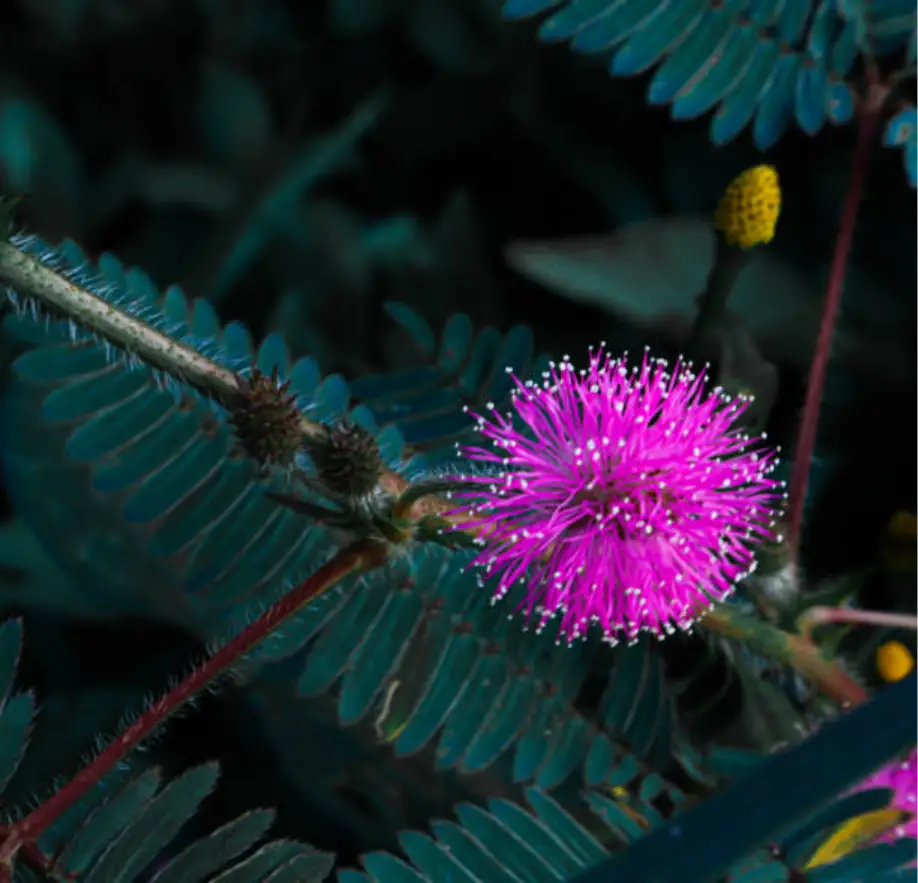
Mimosa hostilis, also known as Mimosa tenuiflora, is a perennial tree native to regions of Central and South America. It has been traditionally valued for its resilient nature and the unique properties of its bark.
The plant has a long history of cultural significance, particularly in botanical, textile, and craft traditions. Today, Mimosa hostilis is commonly sold as a raw botanical material.
Why Legal Questions Surround Mimosa Hostilis
Questions about legality arise because laws often distinguish between a plant itself and how it is used.
While Mimosa hostilis is a plant species, certain compounds associated with plants may be regulated under specific circumstances. This makes understanding botanical material regulations essential before purchasing or using any natural material.
Legal clarity helps protect both sellers and consumers.
Is Mimosa Hostilis Legal?
The answer to is Mimosa hostilis legal depends on jurisdiction and intended use.
In many regions, Mimosa hostilis bark is legal to own and sell as a botanical specimen, natural dye material, or ethnobotanical reference. However, laws may restrict how plant materials are processed or used.
It is always the responsibility of the buyer to ensure compliance with local, national, and international laws.
Legal Uses of Mimosa Bark
There are several widely recognised and legal uses of Mimosa bark, depending on local regulations.
These may include:
- Natural dyeing and textile work
- Botanical research and study
- Educational collections
- Traditional craft and heritage practices
When used in these lawful contexts, Mimosa hostilis remains a respected natural material.
Botanical Material Regulations Explained
Botanical material regulations exist to ensure public safety, environmental protection, and responsible trade.
These regulations may govern:
- Import and export rules
- Product labelling
- Intended commercial use
- Processing methods
Understanding these frameworks helps ensure that natural materials are handled ethically and legally.
Lawful Plant Usage and Responsibility
Lawful plant usage means respecting both the plant and the legal systems that regulate it.
Responsible use includes:
- Understanding applicable laws
- Avoiding prohibited processing
- Using materials only for permitted purposes
Education plays a vital role in maintaining ethical relationships with plant materials.
Why Sellers Provide Legal Disclaimers
Reputable sellers of botanical materials often include legal disclaimers to ensure transparency.
At The Tenifulora Shop, we provide clear guidance through our legal notice and disclaimer so customers understand their responsibilities.
Disclaimers protect both parties and encourage informed decision-making.
International Differences in Legal Interpretation
Plant regulations can vary widely across countries and regions.
What may be permitted in one country could be restricted in another. This is why international customers should research local laws carefully before purchasing botanical materials.
Staying informed avoids misunderstandings and ensures respectful use.
Ethical Considerations Beyond Legal Status
Legality is only one part of responsible use.
Ethical considerations include:
- Sustainable sourcing
- Respect for cultural heritage
- Environmental impact
Choosing responsibly sourced botanical materials supports long-term ecological balance.
Mimosa Hostilis in Natural Dyeing and Craft
One of the most recognised lawful applications of Mimosa hostilis bark is natural dyeing.
The bark contains tannins that produce rich, earthy tones when used on natural fibres. This application aligns with traditional craft practices and modern sustainable design.
Natural dyeing is an example of how plant materials can be used respectfully and legally.
Why Transparency Matters in Botanical Sales
Transparency builds trust between sellers and customers.
Clear product descriptions, disclaimers, and educational content help customers make informed decisions. This approach reflects the values of responsible botanical trade.
Education reduces misuse and promotes ethical engagement with natural materials.
What Buyers Should Know Before Purchasing
Before purchasing Mimosa hostilis or any botanical material, buyers should:
- Review local laws
- Understand permitted uses
- Read seller disclaimers carefully
When in doubt, seeking legal clarification is always advisable.
The Role of Education in Responsible Use
Education empowers individuals to use plant materials respectfully.
Learning about plant history, legal frameworks, and ethical sourcing deepens appreciation and reduces risk.
Sustainability and Respect for Nature
Responsible use includes protecting natural ecosystems.
Ethical harvesting practices ensure plant populations remain healthy and accessible for future generations.
Supporting sellers committed to sustainability contributes to environmental stewardship.
Common Misconceptions About Mimosa Hostilis
Many misconceptions arise from misinformation or lack of context.
Some assume that all uses of a plant are regulated, while others overlook legal boundaries entirely. Balanced education helps clarify these misunderstandings.
Understanding context is key to responsible engagement.
Staying Informed About Changing Laws
Laws and regulations can change over time.
Staying updated through official sources ensures continued compliance. Sellers and buyers alike benefit from ongoing awareness.
Knowledge is the foundation of lawful and ethical use.
Contact The Tenifulora Shop
If you have questions about botanical materials, responsible sourcing, or general product information, we encourage open communication.
Please reach out via our contact page for further assistance.
Frequently Asked Questions
1. Is Mimosa hostilis legal to own?
In many regions, it is legal to own as a botanical material, depending on intended use and local regulations.
2. What are the legal uses of Mimosa bark?
Common lawful uses include natural dyeing, research, education, and traditional crafts.
3. Why do laws differ between countries?
Botanical laws reflect regional policies, environmental concerns, and regulatory frameworks.
4. Does The Tenifulora Shop provide legal advice?
No. Customers are responsible for understanding and complying with applicable laws in their jurisdiction.
5. Where can I find official information about legality?
Government websites and legal authorities provide the most accurate and up-to-date information.
Here you’ll find an additional resource on legality in other countries, https://www.iceers.org/en/legal-info/finland/