Colorant, Antioxidant, Soothing, or Astringent?
If you’re formulating with botanicals, you’ve likely asked: what does Mimosa Hostilis Root Bark do in skincare formulas?
Is it a true functional ingredient—or mainly a botanical story and natural colorant?
Understanding the Mimosa Hostilis Root Bark function in skincare helps formulators determine whether it should be positioned as a colorant, antioxidant, soothing botanical, or mild astringent in a finished product.
This guide breaks down exactly how Mimosa Hostilis Root Bark performs in cosmetic formulations.
What Is Mimosa Hostilis Root Bark?
Mimosa tenuiflora, commonly known as Mimosa Hostilis, is valued in skincare for its tannins and polyphenols. The root bark is used in powder or extract form in artisan and botanical skincare.
Its performance in formulas depends on:
- Extraction method
- Usage rate
- Solvent system
- Product type (leave-on vs rinse-off)
What Does Mimosa Hostilis Root Bark Do in Skincare Formulas?
The primary Mimosa Hostilis Root Bark function in skincare falls into four categories:
- Natural colorant
- Antioxidant support
- Mild astringent
- Supporting botanical (story + positioning)
Let’s examine each function.
Mimosa Hostilis as a Natural Colorant
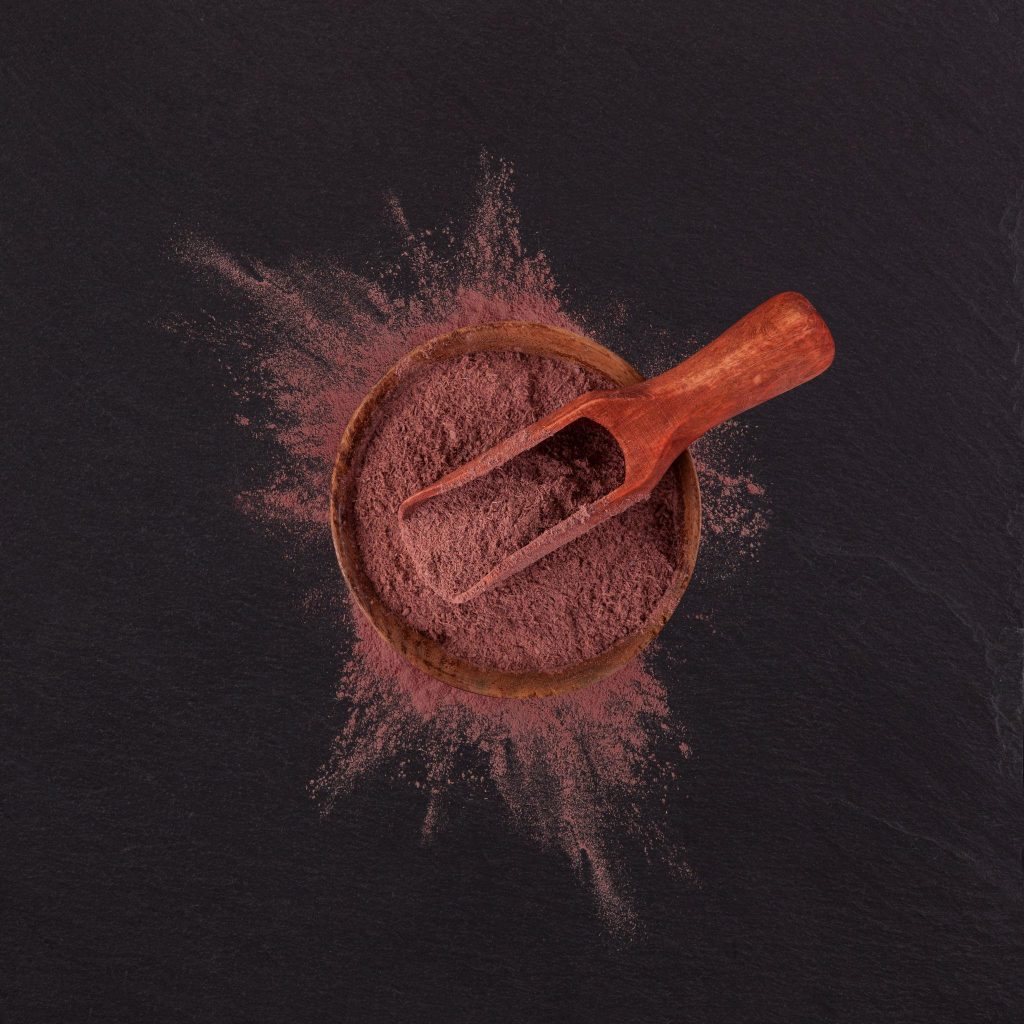
One of the most noticeable roles of Mimosa Hostilis Root Bark in skincare formulas is its deep purple-brown pigment.
When extracted properly, it can:
- Add earthy botanical tones
- Create natural mask coloration
- Tint oils and balms
- Enhance artisan product aesthetics
If your goal is strong pigment extraction, oil infusion and hydroalcoholic extraction often yield the richest color.
In this role, Mimosa Hostilis Root Bark functions primarily as a natural colorant in skincare.
Mimosa Hostilis Antioxidant Properties in Skincare
Another important Mimosa Hostilis Root Bark function is antioxidant support.
Due to its polyphenol content, Mimosa Hostilis may:
- Help support skin against environmental stressors
- Contribute to overall antioxidant positioning
- Complement other botanical antioxidants
However, the antioxidant strength depends on:
- Extraction solvent
- Concentration
- Stability
- Preservation
When properly extracted, Mimosa Hostilis Root Bark can serve as a supporting antioxidant ingredient in skincare.
Mimosa Hostilis as a Mild Astringent
Because Mimosa Hostilis Root Bark contains tannins, it may provide mild astringent benefits.
In skincare formulas, this may result in:
- Temporary skin-tightening sensation
- Refined skin appearance
- Mild oil-balancing support
This makes Mimosa Hostilis especially suitable for:
- Face masks
- Toners
- Oil-balancing serums
- Rinse-off treatments
When formulators ask what Mimosa Hostilis Root Bark does in skincare, the most functional answer is: it acts primarily as a tannin-based astringent with antioxidant support.
Soothing Properties: Is Mimosa Hostilis Calming?
Mimosa Hostilis Root Bark is sometimes described as soothing. However, this effect is typically secondary.
Because tannins are naturally astringent, high concentrations may feel tightening rather than calming.
For soothing-focused formulas, Mimosa Hostilis works best when paired with:
- Aloe vera
- Chamomile
- Calendula
- Panthenol
In this context, Mimosa Hostilis functions more as a supporting botanical ingredient than a primary soothing active.
Is Mimosa Hostilis a Functional Ingredient or Botanical Story?
This is where formulation strategy matters.
Functional Ingredient
Mimosa Hostilis Root Bark functions as:
- A natural colorant
- A mild astringent
- A supporting antioxidant
Botanical Story Ingredient
It also contributes:
- Artisan positioning
- Natural formulation narrative
- Botanical authenticity
- Visual differentiation
The truth is, Mimosa Hostilis Root Bark is both functional and aesthetic—but not a clinical hero active.
It enhances a formula rather than replaces scientifically validated actives like niacinamide or peptides.
Best Applications in Formulation
Mimosa Hostilis Root Bark performs best in:
- Botanical face masks
- Herbal toners
- Oil-balancing serums
- Artisan soaps
- Pigment-forward balms
- Botanical oil infusions
It is most effective when used thoughtfully and at appropriate concentrations.
Frequently Asked Questions
What does Mimosa Hostilis Root Bark do in skincare?
It acts as a natural colorant, mild astringent, and supporting antioxidant ingredient.
Is Mimosa Hostilis a natural colorant?
Yes. It provides a deep purple-brown botanical pigment when extracted properly.
Does Mimosa Hostilis work as an antioxidant?
It contains polyphenols that may provide antioxidant support, depending on extraction and stability.
Is Mimosa Hostilis mainly marketing?
No. While it enhances botanical storytelling, it also has functional tannin and antioxidant properties.
So, what does Mimosa Hostilis Root Bark do in skincare formulas?
It functions as
- A natural botanical colorant
- A tannin-based mild astringent
- A supporting antioxidant
- A visually distinctive artisan ingredient
Mimosa Hostilis Root Bark is not a clinical hero active, but it plays a meaningful supporting role in botanical formulations when used properly.
For formulators focused on plant-based skincare, it offers both functional performance and strong aesthetic appeal.