Natural dye artists love Mimosa Hostilis Root Bark (MHRB) for its rich, saturated colors and surprisingly powerful tannin content. But whether you’re creating clothing, wall hangings, quilts, accessories, or artistic textiles, one major question always comes up:
How long does Mimosa Hostilis dye last on fabric — and how stable is it over time?
The short answer:
MHRB can be extremely long-lasting when used correctly, often outperforming many other natural dyes in both washfastness and lightfastness. Its durability comes from its unusually high concentration of condensed tannins, which bind deeply to cellulose fibers when properly extracted and applied.
But longevity depends on several factors:
- fiber type
- mordanting
- pH conditions
- extraction method
- curing process
- washing habits
- UV exposure
- storage
This guide breaks down everything you need to know about how long Mimosa Hostilis dye lasts on fabric, how to get the best results, and how to prevent fading over time — using real natural dye science, not guesswork.
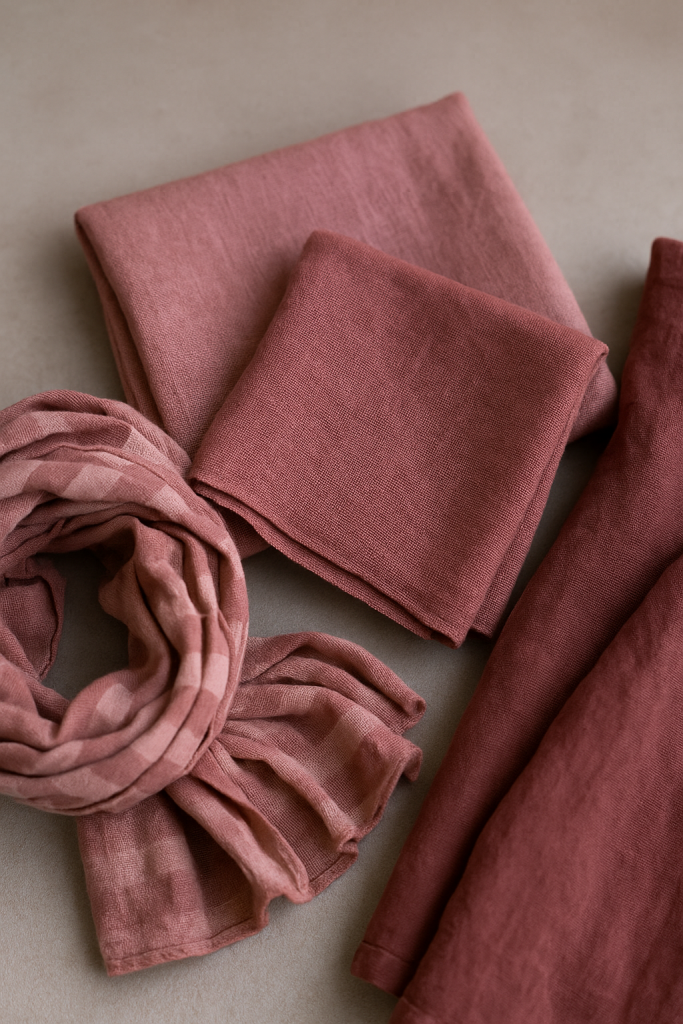
Why Mimosa Hostilis Dye Is Naturally Long-Lasting
MHRB is one of the few natural dyes that contains:
- condensed tannins (extremely wash-resistant)
- flavonoids (responsible for purples + reds)
- plant sugars that help pigment adhere
- anthocyanin-like compounds that change with pH
Unlike delicate dyes (hibiscus, avocado pits, flowers, berries), tannins grip fibers at a molecular level, making the color far more resistant to:
- washing
- friction
- oxidation
- heat
- daily wear
This is also why it produces such rich, “heavy” color compared to other botanicals.
If you’re curious about the chemistry behind this, the dyeing behavior is similar to other tannin-rich plants used historically for leather tanning and textile coloration. For example, the scientific article below explores tannin bonding and stability in traditional dye applications:
https://www.sciencedirect.com/science/article/pii/S0142941817303514
The reason MHRB is unusually long-lasting comes down to its pigment density — most people underestimate how powerful it actually is.
So… How Long Does Mimosa Hostilis Dye Actually Last?
Here’s a realistic, science-based breakdown:
💧 Washfastness (Longevity With Washing)
When dyed correctly, Mimosa Hostilis color can last:
5–15+ years with repeated washing
(And in many cases, much longer.)
On cellulose fibers like cotton and linen, the color binds deeply and resists removal even with detergents. If the fabric is mordanted properly and cured before washing, fading tends to be gradual and extremely slow.
If you want to compare your results or troubleshoot, this guide explains why dyes turn brown and how to correct extraction or pH issues: https://tenuiflorashop.com/why-is-my-mimosa-hostilis-dye-brown/
Fixing these foundational steps dramatically improves longevity.
☀️ Lightfastness (Longevity With Sun Exposure)
Direct sunlight is the fastest way to fade any natural dye.
However, Mimosa Hostilis performs much better than plant dyes made from flowers or soft plant material.
Indoors:
Color can last 10–20+ years with minimal fading.
Outdoors or in constant sunlight:
Color can fade noticeably within 6–24 months, depending on the shade.
Darker tones (plum, burgundy, charcoal) resist UV fading better than light pinks or rose tones.
🧵 Rubbing Fastness (Friction / Daily Wear)
On clothing, scarves, and tote bags, the color is highly stable, but friction wearing at seams or cuffs can soften deeper shades over time.
Still, Mimosa Hostilis ranks well above most natural dyes in friction durability.
What Determines How Long the Dye Lasts?
Now let’s break down why your dye may last longer — or fade sooner — depending on your technique.
1. Fiber Type Matters a LOT
Best longevity:
- cotton
- linen
- hemp
- bamboo
- rayon
These cellulose fibers love tannins.
They bond deeply and hold color incredibly well.
Excellent longevity:
- silk
- wool
Protein fibers absorb MHRB richly but must be handled at lower temps to avoid damage.
Poor longevity:
- polyester
- nylon
- acrylic
- any synthetic blend above 40%
Natural dyes simply can’t bond well to plastic fibers.
If you want extra guidance on fabric preparation and natural dye science, one of our other blogs is already perfectly aligned with today’s topic: https://tenuiflorashop.com/how-to-use-mimosa-hostilis-root-bark-for-natural-dyeing/
2. Mordanting Dramatically Extends Longevity
If you skip the mordant, the dye still works — tannins can bond on their own — but the color won’t last nearly as long.
For the best results, use:
- alum
- tannin pre-treatment
- aluminum acetate
- a tiny iron post-bath for color deepening
When people ask how long Mimosa Hostilis dye lasts on fabric, the un-mordanted version is usually what gives them trouble. Mordants extend the life of the dye by YEARS.
3. pH Makes the Color Either More Stable… or Less
MHRB responds strongly to acidity and alkalinity.
Acidic environments = more stable tones
This includes:
- citric acid
- lemon juice
- vinegar (very small amounts)
Alkaline environments = more fading
Such as:
- baking soda
- washing soda
- hard alkaline water
Fading from washing is often caused by pH issues, not weak dye.
4. Extraction Technique Changes Lifespan
A properly extracted dye lasts much longer because pigment molecules are fully broken out of the bark.
Best practices include:
- simmering (never harsh boiling)
- extracting 1–2 hours
- reboiling bark 2–3 times
- combining extracts
- reducing the liquid
If your extraction is thin, your dye will be less colorfast.
5. Curing: The Most Overlooked Part of Dye Longevity
After dyeing, you MUST let the fabric rest:
24–48 hours before the first rinse
This allows tannins and pigments to finish binding inside the fiber structure.
People who rinse immediately always report fading — but it’s not the dye’s fault. It’s the curing.
6. Washing Habits Influence Lifespan
For the longest-lasting results:
- wash in cold water
- avoid harsh detergents
- avoid high pH laundry soaps
- wash only when needed
- air dry instead of using a high-heat dryer
Delicate care = decades-long color.
7. Sun Exposure Will Always Fade Natural Dye
Even the best natural dyes fade in direct UV light.
To extend the life of your work:
- store textiles indoors
- avoid leaving dyed clothing on car seats
- air dry in shade
- limit sun exposure during the first week after dyeing
Tannins are durable but not invincible.
Realistic Expectations for Color Longevity
Every artisan asks this question eventually:
“Will my Mimosa Hostilis dye last forever?”
Realistically:
✔ Jewelry bags, wall hangings, quilts, art textiles:
10–25+ years
✔ Clothing washed gently:
5–15 years
✔ Items exposed to sun daily:
6–24 months before visible fading
✔ Items washed harshly or frequently:
Faster fading, depending on pH and detergents
Signs Your Mimosa Hostilis Dye Will Last a Long Time
If these statements are true, you’re in great shape:
- fabric was scoured
- fabric was mordanted
- dye bath was properly extracted
- pH was slightly acidic
- you cured the fabric
- you rinsed gently in cold water
- fabric was not dried in direct sun
If most of these steps were skipped?
Your results may fade sooner — but can still be improved next time.
Checkout the article below for more tips on dyeing with MHRB.
Frequently Asked Questions
Does Mimosa Hostilis fade quickly?
No — not when applied properly. It’s one of the longest-lasting natural dyes available.
Do darker colors last longer than lighter ones?
Yes.
Deep plum, burgundy, wine, and charcoal shades stay vibrant much longer than pale pinks.
Does powder last longer than shredded bark?
Both last equally long if extracted correctly. Powder extracts faster.
Can I make the dye even more durable?
Yes — by adjusting mordant, pH, extraction, curing, and wash care.
Conclusion: Mimosa Hostilis Dye Is Naturally Long-Lasting — If You Use It Correctly
So, how long does Mimosa Hostilis dye last on fabric?
Realistically:
- Years for clothing
- Decades for non-washed textiles
- Longer than almost any other natural dye
What determines longevity isn’t the dye itself — it’s:
- how you prepare
- how you extract
- how you apply
- how you wash
- how you store
When these steps come together, Mimosa Hostilis becomes one of the most reliable and colorfast natural dyes available.
Alt Tags:
“how long does mimosa hostilis dye last on fabric natural dye longevity”
“mhrb dye washfastness guide”
“mimosa hostilis dye fading prevention”