Hostilis root bark, also known as Mimosa hostilis, is a plant with a rich history. It is native to Brazil and Mexico, where it has been used for centuries.
This remarkable bark is celebrated for its diverse applications. From skincare to spiritual practices, its uses are vast and varied.
The bark is known for its healing properties, making it a popular choice in natural remedies. It is often used in skincare products for its ability to promote skin health.
Hostilis root bark is also valued for its vibrant color, used in natural dyeing processes. Its potential benefits extend to mental clarity and emotional balance.
Understanding hostilis root bark’s benefits and uses can enhance your natural health journey.
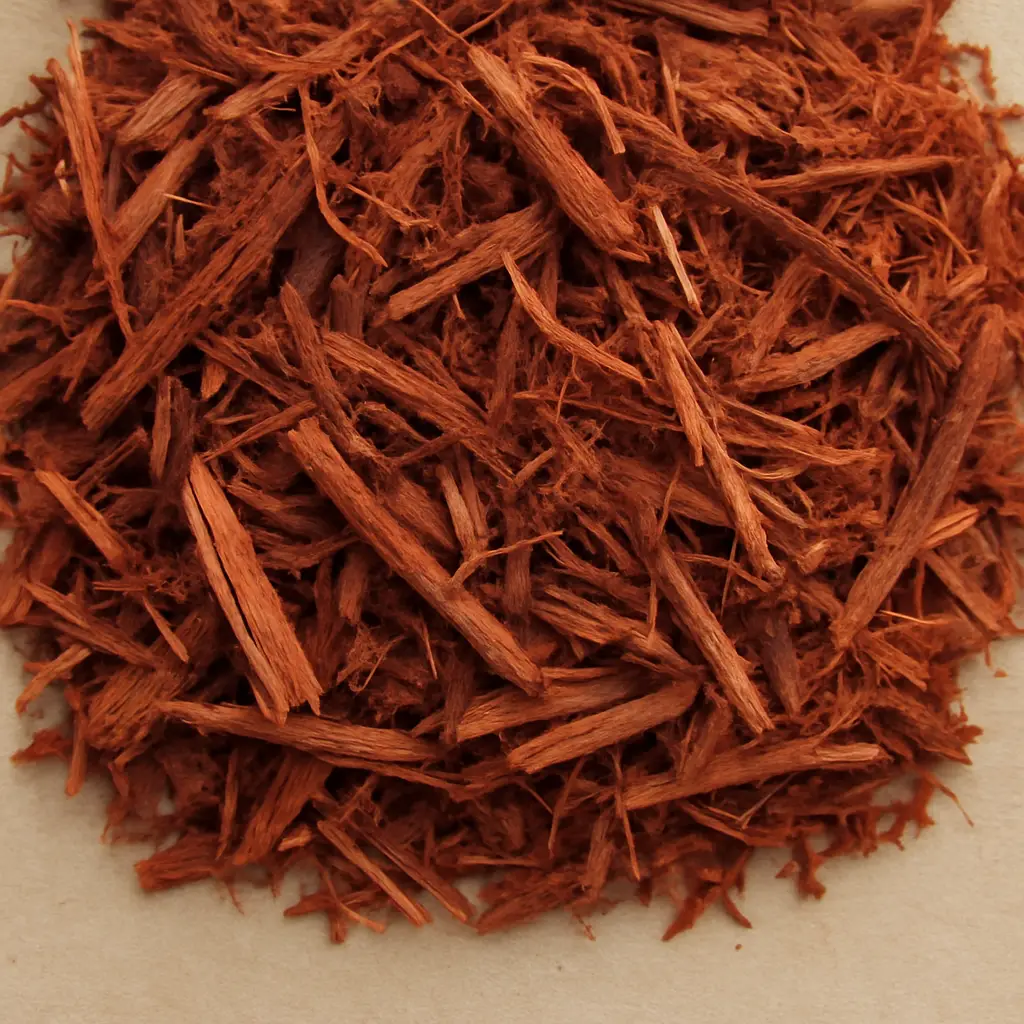
What is Hostilis Root Bark? (Mimosa Hostilis)
Hostilis root bark, scientifically known as Mimosa hostilis, is a tropical plant with deep roots. It grows abundantly in regions like Brazil and Mexico, where it enjoys warm climates.
This plant has garnered attention for its versatile bark. The bark is famous for its healing and vibrant properties, serving various purposes across cultures.
The bark is not only revered for practical uses but also for its unique bioactive compounds. These compounds contribute to its wide range of health benefits and cultural significance.
Here are some notable features of hostilis root bark:
- Rich in tannins with astringent properties
- Contains antioxidants that protect against free radicals
- Known for potential antimicrobial effects
In historical and traditional contexts, hostilis root bark has been used both for healing and spiritual ceremonies. It’s essential in certain indigenous practices, highlighting its long-standing cultural importance.
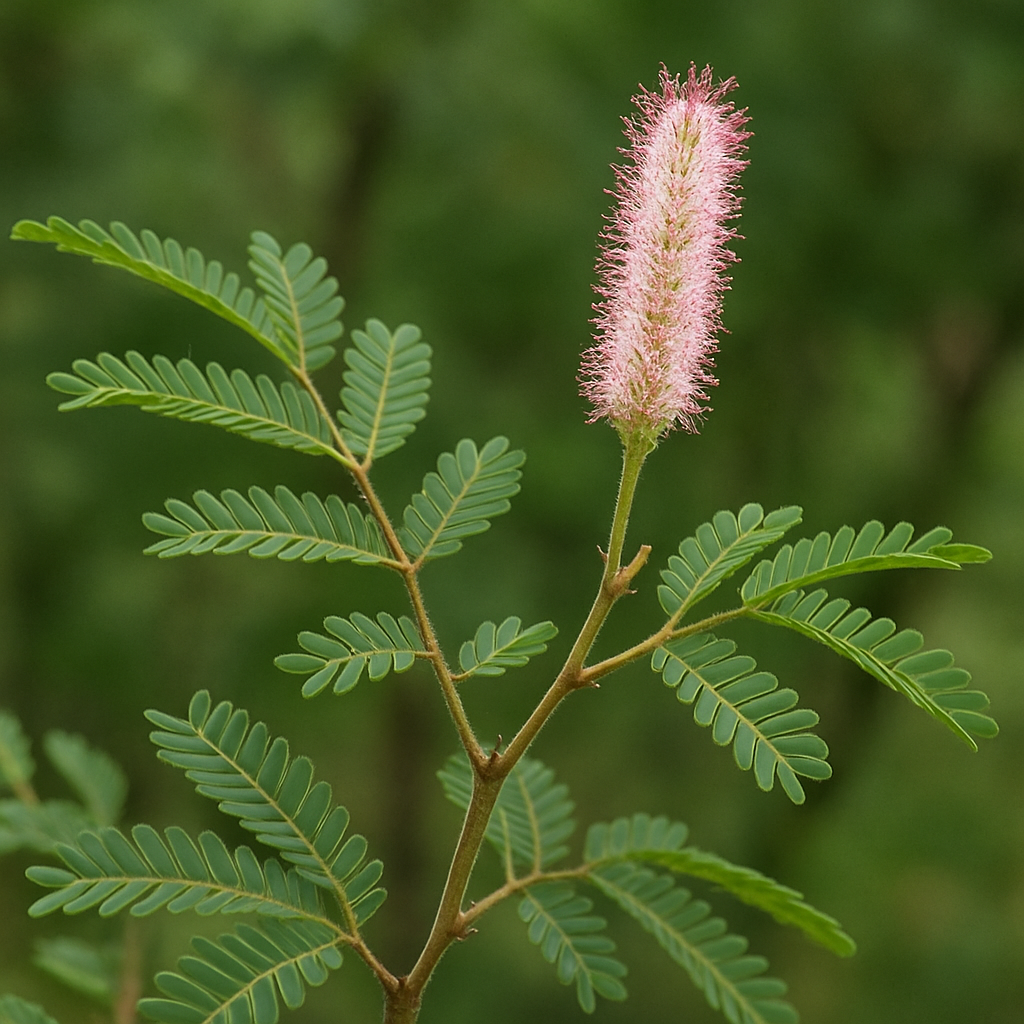
Traditional and Cultural Significance
Hostilis root bark has been an integral part of many indigenous traditions. Its significance extends far beyond its practical uses, embedding itself deeply in cultural rituals.
In South American cultures, particularly among indigenous tribes, the bark is esteemed for its spiritual importance. It plays a vital role in various ceremonial practices. These ceremonies often aim to connect individuals with the spiritual realm.
(https://unsplash.com/@jontyson)
Key Compounds and Properties of Hostilis Bark
Hostilis root bark is renowned for its diverse compounds. These natural components contribute to its wide range of uses and benefits. Among its most active compounds are tannins, saponins, and alkaloids.
Tannins are primarily responsible for the bark’s astringent properties. They help in tightening tissues and promoting skin health. Meanwhile, saponins contribute to the bark’s cleansing abilities. They play a role in soothing the skin and improving its texture.
Key properties of hostilis bark include:
- Astringent properties beneficial for skin health
- Potential anti-inflammatory effects
- Rich in antioxidants for skin protection
These properties make hostilis bark a versatile natural ingredient. Its beneficial compounds continue to attract interest for both wellness and skincare applications.
(https://unsplash.com/@sfkopstein)
Health and Wellness Benefits
Hostilis root bark offers numerous health benefits. Its potential to promote skin healing is particularly valued. The bark’s components are used to improve wound healing and reduce inflammation.
Antioxidants in hostilis bark protect the skin. They help fight free radicals, which can damage skin cells. This reduces the impact of aging and environmental stress.
Its natural astringent properties tighten and cleanse the skin. This can improve the appearance of scars and blemishes. It’s also popular in natural skincare products for these reasons.
Hostilis root bark may support joint health. The potential anti-inflammatory effects can relieve mild discomfort. Natural remedies often include it for its soothing qualities.
Health benefits of hostilis root bark include:
- Supports wound healing and reduces inflammation
- Protects skin from free radical damage
- Improves appearance of scars and blemishes
- Potentially supports joint health
The bark is also known for its possible analgesic properties. It could offer relief from minor pains. As interest grows, more research continues into its health benefits.
(https://unsplash.com/@mugabo_library)
Popular Forms: Mimosa Root Bark Powder and More
Hostilis root bark is available in several forms. One of the most popular is mimosa root bark powder. This powdered form is versatile and easy to use.
Mimosa powder can be used in various applications, such as teas, topical pastes, and tinctures. Its convenience makes it popular in the natural health community. Many opt for the powder for its flexibility in home remedies.
Other common forms include whole bark and extracts. Each offers unique benefits depending on intended use. Choosing the right form is crucial to harnessing hostilis bark’s full potential.
Popular forms of hostilis root bark:
- Mimosa root bark powder
- Whole bark pieces
- Liquid extracts
Each form of hostilis root bark offers distinct advantages. Mimosa root is a practical choice for those exploring natural remedies. Selecting the form that suits your needs enhances your experience.
(https://unsplash.com/@mluotio83)
Common Uses of Hostilis Root Bark
Hostilis root bark offers numerous uses in both traditional and modern practices. Its versatility makes it a favored ingredient in natural health and wellness.
One significant use is in skincare. The bark’s tannins provide astringent properties helpful in treating minor cuts and abrasions. Many natural beauty products feature hostilis bark for its ability to enhance skin health.
In herbal remedies, hostilis root bark is known for its potential antimicrobial and anti-inflammatory properties. These benefits are particularly valuable in creating natural health solutions. Its traditional use in rituals is also noteworthy.
Hostilis bark is popular in arts and crafts. Its vibrant color is ideal for natural dyeing processes. Many artisans appreciate its rich hues for fabric and art projects.
Common uses of hostilis root bark include:
- Skincare treatments
- Natural dyeing processes
- Herbal remedies
The diverse applications of hostilis bark make it valuable in various fields. Understanding these uses allows for full appreciation of this natural resource’s potential.
(https://unsplash.com/@tochilko)
How to Use Mimosa Root Bark Powder Safely
Using mimosa root bark powder safely involves careful preparation and attention. It’s essential to ensure proper handling to maximize benefits.
First, start with small amounts to test your body’s reaction. Gradually increase the amount as you become familiar with its effects. This approach helps prevent any adverse reactions or sensitivities.
When using mimosa powder in beauty products or teas, follow guidelines on mixing ratios. Avoid excessive use, which can lead to undesired results. Always store the powder in a cool, dry place to maintain its effectiveness.
Key safety tips for using mimosa root bark powder:
- Begin with small doses
- Store properly to prevent degradation
- Follow recommended mixing ratios
By following these precautions, you can safely enjoy the advantages of mimosa root bark powder.
Legal Status and Ethical Sourcing
The legal status of hostilis root bark varies worldwide. Check local laws before purchase. Some regions regulate it due to its psychoactive properties. Being informed protects you from legal issues.
Ethical sourcing is vital to maintain sustainability. Buy from reputable suppliers who prioritize responsible harvesting. These practices ensure the plant thrives for future generations. Supporting ethical companies also contributes to environmental conservation.
When choosing hostilis root bark, consider:
- Legal regulations in your area
- Sustainable harvesting practices
- Supplier reputation and transparency
(https://unsplash.com/@karpic)
By focusing on legality and ethics, you support a brighter future for both consumers and the environment.
How to Choose a Quality Mimosa Root Bark Store
Selecting a quality mimosa root bark store requires careful consideration. Always prioritize stores with proven track records of offering genuine products. Check for customer reviews and ratings to gauge the experience of past buyers.
A credible store should provide detailed product information and transparency about sourcing. This includes details on how and where the bark is harvested. Reliable stores also prioritize customer service, ensuring you have a smooth purchasing experience.
Consider the following when choosing a store:
- Verified customer feedback
- Transparency in product sourcing
- Excellent customer support
(https://unsplash.com/@icedcocoa)
By following these tips, you ensure a wise and beneficial purchase.
Frequently Asked Questions: What is MHRB and More
Many are curious about MHRB, an acronym for Mimosa Hostilis Root Bark. This bark is prized for its natural healing properties and vibrant dyeing potential. It’s often sought after by natural health and beauty enthusiasts.
Common questions about hostilis root bark often focus on usage, benefits, and sourcing. Understanding these aspects helps ensure safe and effective use.
Here are some frequently asked questions:
- What is MHRB?
- How can I use hostilis bark safely?
- What are the primary benefits of mimosa bark?
Understanding these questions allows for informed decisions and a better appreciation of this versatile bark.
Conclusion: The Future of Hostilis Root Bark in Natural Health
Hostilis root bark holds a promising place in the realm of natural health. Its diverse benefits and traditional uses continue to gain recognition globally. The ongoing research may open new avenues for its application in wellness and personal care.
As interest in sustainable and holistic health options grows, hostilis bark’s potential is poised to expand. Embracing its rich cultural history and natural properties can enhance our approach to natural health remedies. The future looks bright for this remarkable plant and its myriad uses.