Natural dyeing, botanical crafting, and plant-based pigment work have all seen a major revival in recent years. As creators rediscover traditional ingredients, one plant material consistently rises above the rest for richness, versatility, and depth of color: Mimosa Hostilis Root Bark (MHRB).
But as demand grows, conversations around mimosa hostilis root bark shipping regulations in the usa have also increased. There is confusion among artisans, small businesses, craft vendors, and individual buyers about what is allowed, what isn’t, and how oversight actually works.
This guide clears that up — with accurate, non-sensational, practical information designed for people who simply use MHRB for soapmaking, natural dyeing, pigments, or plant-based art.
The goal of this article is to give you a clear understanding of mimosa hostilis root bark shipping regulations in the usa, how shipping carriers interpret botanical materials, how customs interacts with plant products, and what small creators need to know when ordering or shipping within the country.
This is an educational overview, not legal advice — but it will give you the most accurate, up-to-date understanding available to everyday creators.
Why MHRB Shipping Regulations Cause Confusion
Before we get into the specifics, it’s important to understand why these regulations feel unclear.
There are three main reasons:
1. The plant has multiple traditional uses
Some are simple and benign — like soapmaking, fabric dyeing, and cosmetic colorants. Others fall into unrelated categories. These mixed uses create an online environment where fact and misinformation overlap. Check out this PubMed article for more scientific information about mimosa hostilis root bark and its uses.
2. Regulations vary by agency
Shipping carriers, customs, agriculture departments, and postal services sometimes treat plant materials differently depending on:
- Whether they are ground or shredded
- Whether they contain soil
- Whether they show signs of pests
- Whether the plant is considered a “regulated agricultural product”
This leads buyers and sellers to wonder how mimosa tenuiflora shipping regulations are actually enforced.
3. The U.S. allows more flexibility than many people realize
MHRB is not a controlled plant, protected species, endangered botanical, invasive plant, or restricted agricultural commodity in the U.S. It is considered a standard botanical ingredient — but some precautions still apply when shipping.
This guide breaks down the exact details.
Is It Legal to Ship Mimosa Hostilis Root Bark Within the USA?
Yes.
Within the United States, there are no federal restrictions that prohibit shipping MHRB for:
- Dyeing
- Soapmaking
- Crafting
- Cosmetic formulation
- Botanical study
- Non-consumption artistic uses
This is why many small shops, dye studios, and artisan suppliers are able to ship it domestically without issue.
However, understanding mimosa hostilis root bark shipping regulations in the usa requires looking deeper into how it must be shipped — not whether it can be shipped.
Does the Form of Mimosa Hostilis Root Bark Affect Shipping?
Buyers often wonder whether the form they purchase—powder, shredded bark, or chunks—changes how it can be shipped within the United States. While each form has different packaging considerations, properly processed Mimosa Hostilis Root Bark is generally handled according to the same carrier standards.
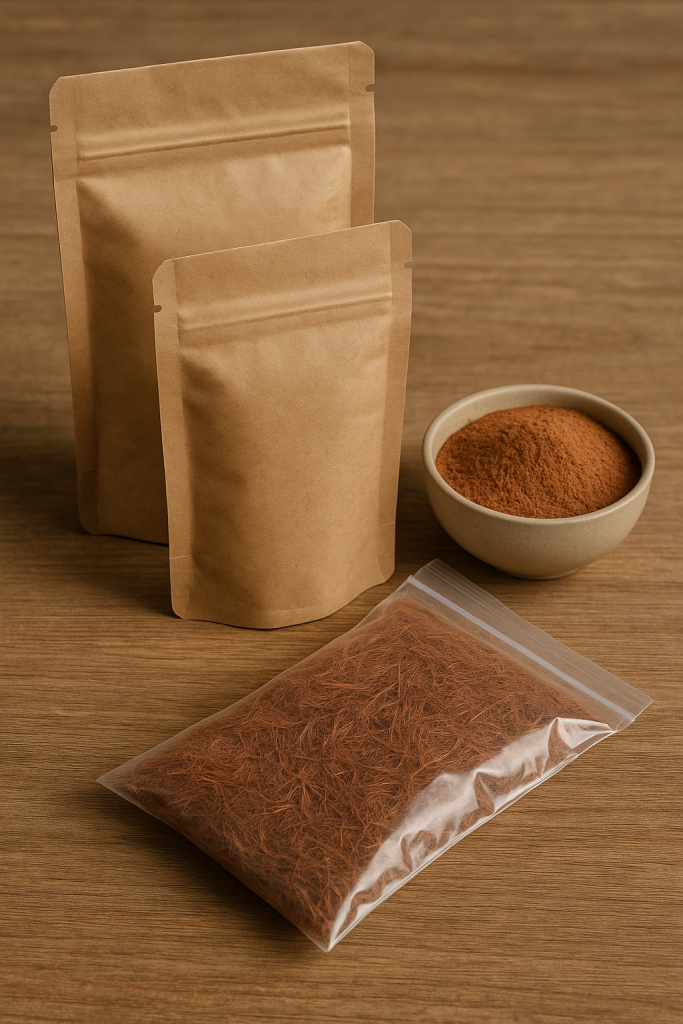
Powder is typically packaged in sealed, moisture-resistant bags to prevent leakage during transit. Shredded bark and chunks are also securely packaged to protect the material from moisture and contamination while helping it arrive in excellent condition.
Regardless of the form, quality suppliers prioritize clean packaging, careful sealing, and durable shipping materials that help preserve freshness from the warehouse to your doorstep.
If you’re comparing available forms before placing an order, browse our Mimosa Hostilis Root Bark Powder collection or explore the different product options available throughout our shop.
Why Proper Packaging Matters During Shipping
Shipping is about more than simply getting a package from one location to another. Proper packaging helps maintain the quality of Mimosa Hostilis Root Bark throughout transit.
High-quality suppliers typically use packaging designed to:
- Reduce exposure to moisture
- Prevent accidental tears or leaks
- Protect the bark during handling
- Preserve freshness until delivery
Careful packaging also helps minimize the effects of temperature fluctuations and humidity that can occur during shipping. While dried botanical materials are naturally stable, protecting them during transit helps ensure they arrive in the same condition in which they were packed.
Buying Mimosa Tenuiflora Root Bark Online
Whether you’re searching for Mimosa Tenuiflora Root Bark or Mimosa Hostilis Root Bark, understanding shipping practices can help you purchase with greater confidence.
Mimosa tenuiflora is the accepted botanical name for the species commonly known as Mimosa Hostilis, and reputable suppliers typically provide clear information about shipping methods, packaging, and order fulfillment. Buyers researching Mimosa Tenuiflora Bark for Sale should look for suppliers that offer transparent shipping policies, secure packaging, and detailed product information before placing an order.
Choosing a supplier that prioritizes careful handling can help ensure your order arrives fresh, clean, and properly protected throughout transit.
Customers looking for Mimosa Tenuiflora root bark in different quantities and physical forms can view our current selection of powder, shredded bark, and chunks.
How USPS Handles Botanical Materials
USPS is the most common shipping method for MHRB.
For USPS, the key regulations relate to:
1. Agricultural cleanliness
Plant matter cannot contain:
- Live pests
- Soil
- Mold
- Invasive seeds
Shredded or powdered bark that is dry, clean, and processed is allowed.
2. Proper packaging
USPS requires plant materials to be sealed:
- In a leakproof container
- In double packaging if powdered
- With no loose plant debris escaping the package
This is why sellers use:
- Heat-sealed bags
- Mylar
- Double-sealed mailers
- Mills-grade zip pouches
3. Labeling is NOT required
USPS does not require botanical materials to be labeled with the plant name unless they are hazardous or fragile. Natural dye botanicals fall into neither category.
This is one area of mimosa hostilis root bark shipping regulations in the usa that often confuses people — no special label is necessary.
How UPS and FedEx Approach Botanical Shipments
UPS and FedEx have more detailed rules around:
- Agricultural materials
- Perishables
- Plant health risks
But neither service has a restriction against:
- Finely milled bark
- Dried plant matter
- Herbal craft materials
Packages must be:
- Clean
- Free of loose debris
- Properly sealed
- Non-perishable
FedEx is stricter about powders escaping shipments, but this applies to all powdered goods — not specifically MHRB.
As long as packages follow basic guidelines, carriers ship them without issues. This is why mimosa hostilis root bark shipping regulations in the usa are more about proper packaging than about the plant itself.
Agricultural Regulations and Why They Matter
The USDA regulates plant materials primarily to:
- Prevent pest spread
- Prevent agricultural diseases
- Stop invasive seeds from being transported
However, Mimosa Hostilis Root Bark is:
- Not a living plant
- Not a seed
- Not a propagation risk
- Not treated as a regulated agricultural material
Its bark contains no viable reproductive material.
This makes it exempt from agricultural import permits, seed regulations, and phytosanitary requirements in domestic shipping.
This exemption is why mimosa hostilis root bark shipping regulations in the usa are simpler than many assume.
Interstate Shipping: Does the State Matter?
There are no states in the U.S. that prohibit the sale or shipment of MHRB for:
- Art
- Dye
- Soapmaking
- Crafting
However, states with stricter import rules regarding soils or live plant matter (like California, Hawaii, or Florida) generally restrict things like:
- Live plants
- Fresh leaves
- Dirty roots
- Seeds
- Soil-adhered items
Because MHRB is processed, dry bark with no soil, it is not affected.
This is another reason mimosa hostilis root bark shipping regulations in the usa remain straightforward.
How Customs and International Packages Work
This isn’t part of domestic regulations, but it helps people understand context.
International import rules vary significantly.
But within the U.S., customs does not inspect domestic packages — only:
- Border entries
- Imports
- International mailstreams
This means that domestic MHRB shipments bypass customs entirely, simplifying compliance with mimosa hostilis root bark shipping regulations in the usa.
Buying Mimosa Tenuiflora Root Bark From a U.S. Supplier
For U.S. customers, buying from a domestic supplier can simplify the ordering process by avoiding the international transit and import considerations that may apply when botanical materials are shipped from another country.
The Tenuiflora Shop offers Mexican-sourced Mimosa Tenuiflora Root Bark in powder, shredded, and chunk forms, with customer orders fulfilled domestically from Denver, Colorado.
Customers looking for Mimosa Tenuiflora bark for sale can compare our currently available forms and quantities in The Tenuiflora Shop.
Practical Guidelines for Sellers Shipping MHRB in the U.S.
To comply with regulations, maintain quality, and avoid shipping issues, sellers should follow these best practices.
1. Pack in airtight, sealed bags
This prevents:
- Aroma leakage
- Debris escape
- Moisture exposure
Mylar bags are the standard choice.
2. Double-seal powdered forms
Powder is more sensitive to:
- Static
- Airborne particles
- Postal vibration
Sealing powder in an interior bag + outer bag prevents leakage.
3. Use sturdy outer packaging
Rigid mailers or boxes reduce compression and avoid damaged goods.
4. Avoid labeling with unnecessary terms
Plant name is fine.
However, avoid vague or confusing alternate names that could imply it is being shipped for unrelated uses.
5. Keep shipments under normal agricultural thresholds
Do not ship:
- Wet materials
- Moldy materials
- Items containing soil
- Roots with bark attached
Maintaining high product cleanliness ensures smooth movement through postal systems and aligns with mimosa hostilis root bark shipping regulations in the usa.
How Buyers Should Receive and Store Domestic Shipments
Once a package arrives, proper handling maintains quality and ensures no moisture issues during long-term storage.
Buyers should:
- Inspect packaging for moisture
- Transfer bark into airtight containers
- Store in a cool, dry environment
- Avoid bathrooms or humid rooms
This protects both shredded and powdered forms.
See this guide for more on working with MHRB
Are There Any Misconceptions About MHRB Shipping?
Yes — many.
Misconception 1: “It’s restricted.”
Not true domestically. There are no federal restrictions for craft use.
Misconception 2: “You need a permit.”
You don’t. It is not a live plant or seed.
Misconception 3: “Packages are flagged.”
Only improperly packed agricultural items get flagged.
Misconception 4: “Powder is treated differently.”
Powders must be sealed, but that’s true for all powders — not this plant specifically.
FAQs
Is Mimosa Tenuiflora Root Bark shipped differently than Mimosa Hostilis Root Bark?
No. Mimosa tenuiflora is the accepted scientific name for the species commonly known as Mimosa Hostilis. Shipping methods generally depend on the product’s form and packaging rather than the name used to describe it.
Does powder require different packaging than shredded bark?
Many suppliers package powdered bark in additional sealed layers to help prevent leaks during shipping, while shredded bark and chunks are typically packaged in durable, moisture-resistant bags. Proper packaging helps maintain freshness and protects the product throughout transit.
What should I do after my package arrives?
Inspect the packaging to ensure it remained sealed during shipping, then store your Mimosa Hostilis Root Bark or Mimosa Tenuiflora Root Bark in an airtight container in a cool, dry location away from direct sunlight. This helps preserve freshness over time.
Can I Buy Mimosa Tenuiflora Root Bark From a U.S. Seller?
Yes. Mimosa Tenuiflora Root Bark, commonly called Mimosa Hostilis Root Bark, is available from U.S.-based botanical suppliers. Buyers should review the seller’s sourcing, product information, shipping policies, and applicable local regulations before ordering. The Tenuiflora Shop fulfills customer orders domestically from Denver, Colorado.
Final Thoughts
Understanding mimosa hostilis root bark shipping regulations in the usa doesn’t have to be confusing. MHRB is permitted for domestic shipping as long as it is:
- Clean
- Dry
- Properly packaged
- Contained in sealed bags
- Free of pests or soil
This makes it one of the simplest botanical materials to transport within the country. For artisans, dye workers, soapmakers, and botanical creators, this means you can continue using it confidently — knowing that the plant is not restricted, controlled, or difficult to ship when handled correctly.
By staying informed and following best practices, both buyers and sellers can keep domestic shipments smooth, reliable, and compliant with general postal guidelines.