Mimosa Hostilis Root Bark is one of the most widely used botanical materials in natural soap making, dyeing, and artisan craft projects. Valued for its deep natural pigments and versatility, it has become a staple ingredient for makers who want plant-based materials with consistent performance.
This guide explains what Mimosa Hostilis Root Bark is, how it’s used in soap making and crafts, how to prepare it correctly, how to choose the right form, and how to avoid common mistakes. Whether you’re a beginner or an experienced maker, this page is designed to help you make confident, informed decisions.
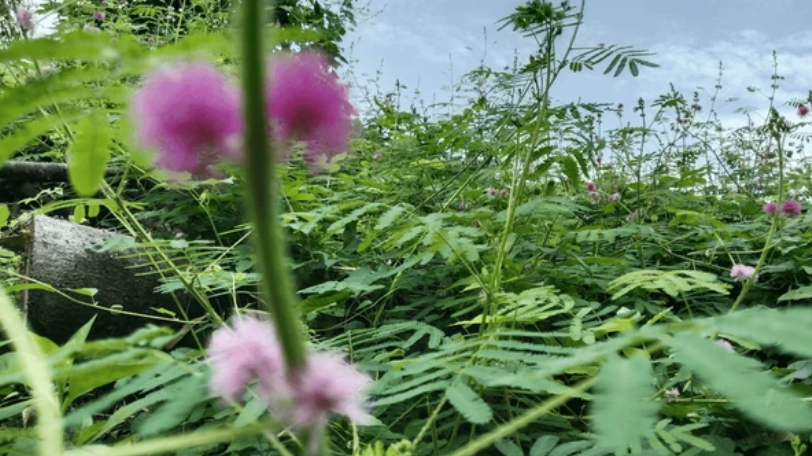
Table of Contents
What Is Mimosa Hostilis Root Bark?
Mimosa Hostilis Root Bark is a natural botanical material derived from the inner root bark of the Mimosa Tenuiflora tree, native to parts of Mexico and Central America. It has a long history of traditional use and is now widely incorporated into modern soap making, natural dyes, and botanical crafts.
Makers value this bark for:
- Its rich, earthy pigment profile
- Compatibility with oil and water infusions
- Plant-based appeal for handmade products
Unlike synthetic additives, MHRB provides depth and character while allowing artisans to stay aligned with natural formulation principles.
Why Soap Makers and Artisans Use Mimosa Hostilis Root Bark
Soap makers and crafters choose Mimosa Tenuiflora bark because it performs reliably across multiple applications.
Key reasons include:
- Natural coloring properties suitable for cold process soap
- Flexibility across infusion methods
- Compatibility with other botanical ingredients
- Long shelf life when properly stored
For a focused breakdown of how bark size affects results, see our comparison post on choosing the best Mimosa Hostilis Root Bark size for soap making, which explores performance differences in more detail.
Many soap makers and artisans also explore broader educational resources when working with botanical ingredients. Organizations like the Handcrafted Soap & Cosmetic Guild provide industry education, formulation guidance, and best practices for working with natural materials in handmade soap and personal care products. Resources like these can help makers better understand how botanical ingredients fit into professional soap making workflows.
Forms of Root Bark
Mimosa Tenuiflora Root Bark is available in several forms. Choosing the correct one is essential for achieving consistent results.
Powdered Mimosa Tenuiflora Root Bark
- Best for oil infusions and fast extraction
- Produces strong, uniform color
- Requires careful straining to avoid sediment
Powdered bark is often preferred by experienced soap makers working with controlled recipes.
Shredded Mimosa Tenuiflora Root Bark
- Best for traditional water or oil infusions
- Easier to strain than powder
- Slower, more controlled extraction
Shredded bark is a reliable option for both beginners and professionals.
Chunked Mimosa Hostilis Root Bark
- Best for large or long-term infusion projects
- Minimal fine residue
- Slowest extraction rate
Chunks are typically used for bulk or experimental applications.
For more information, check out our post about the differences between bark textures.
Powder vs Shredded vs Chunks: Comparison Table
| Bark Form | Best For | Extraction Speed | Ease of Use |
|---|---|---|---|
| Powder | Small batches, oil infusions | Fast | Medium |
| Shredded | Most soap makers | Moderate | Easy |
| Chunks | Large or long infusions | Slow | Easy |
This comparison helps makers choose the best MHRB form based on project size and experience level.
How to Prepare Mimosa Hostilis Root Bark
Water Infusion Method
Water infusions are commonly used when replacing water in cold process soap recipes.
- Simmer bark gently in distilled water
- Avoid boiling to preserve pigment quality
- Strain thoroughly before use
Oil Infusion Method
Oil infusions provide smooth color integration.
- Combine bark with a carrier oil
- Infuse slowly over low heat or time
- Strain completely before adding to soap
Proper preparation significantly improves consistency and final appearance.
Common Mistakes to Avoid
Even high-quality bark can produce poor results if mishandled. Common mistakes include:
- Overheating during infusion
- Using the wrong bark size for the project
- Skipping test batches before scaling
- Expecting instant results without curing time
Understanding preparation and bark selection prevents wasted material and inconsistent batches.
Other Uses for Mimosa Hostilis Root Bark
Beyond soap making, MHRB is also used in:
- Natural textile dyeing
- Handmade paper projects
- Botanical craft experimentation
Educational brands such as MyHealthySoap demonstrate how botanical ingredients are incorporated into handcrafted products, offering inspiration and context for artisan makers.
(External, non-competitive educational reference.)
How to Choose High-Quality Mimosa Hostilis Root Bark
When sourcing Mimosa Tenuiflora bark, quality matters.
Look for:
- Clearly labeled bark forms
- Clean processing with minimal debris
- Consistent color and texture
- Transparent sourcing practices
Working with specialized suppliers helps ensure repeatable results across batches. You can explore different bark forms through your preferred supplier to match your project needs.
Frequently Asked Questions
What is Mimosa Hostilis used for?
It is commonly used in soap making, natural dyeing, and botanical crafts for its pigment and plant-based properties.
Is Mimosa Hostilis Root Bark safe for soap making?
When used appropriately in craft applications, it is commonly incorporated into soap making processes.
Which Root Bark size is best for beginners?
Shredded bark is often the easiest to work with due to controlled extraction and easy straining.
How long do Mimosa Hostilis infusions last?
Properly strained and stored infusions can last several weeks when kept cool and sealed.
Can Mimosa Hostilis Root Bark be reused?
In some cases, especially with chunked bark, it may be reused for extended infusion projects.
Final Thoughts
Mimosa Hostilis Root Bark is a versatile and reliable botanical when used correctly. Understanding the differences between bark forms, preparation methods, and sourcing quality allows soap makers and artisans to achieve consistent, professional results.
This guide serves as a foundational resource. As you expand into specific projects, use this page as your reference point and connect it with more targeted tutorials and comparisons.
Interested in purchasing your own? Check out our options at The Tenuiflora Shop